I remember staring at my kitchen counter last Sunday, surrounded by three different “lifestyle” cleaning guides that promised a sparkling home through sheer willpower and expensive, scented sprays. It was exhausting. Most of these guides treat a deep cleaning checklist like some sacred, multi-day ritual that requires you to sacrifice your entire weekend to the gods of grime. That’s not how life works. I’ve spent years optimizing workflows in operations, and I know a broken system when I see one; if a cleaning plan feels like a second job, it’s a bad plan.
I’m not here to sell you on a Pinterest-perfect aesthetic or a mountain of specialized chemicals you’ll use once and lose in a drawer. Instead, I’m giving you a streamlined, functional deep cleaning checklist built on the principles of efficiency and logic. My goal is to help you strip away the unnecessary fluff so you can tackle the heavy lifting in record time. We’re going to focus on high-impact zones and repeatable systems that actually work, ensuring you spend less time scrubbing and more time actually enjoying your space.
Table of Contents
The No Nonsense Deep Cleaning Supplies List
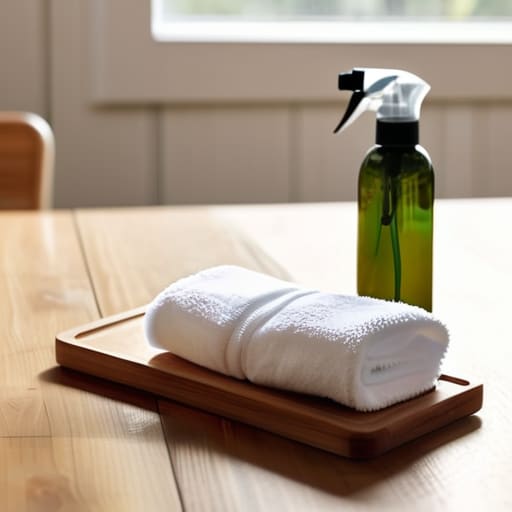
Before you dive into the work, you need to stop the “run to the store” cycle. Nothing kills momentum faster than being halfway through a task and realizing you’re out of degreaser. I keep a dedicated kit ready so I can jump straight into my spring cleaning essentials without the mental friction of a mid-project errand. You don’t need a cabinet full of specialized, overpriced chemicals; you just need a few high-performance tools that actually work.
My go-to deep cleaning supplies list is stripped down to the basics: a high-quality microfiber cloth set, a versatile all-purpose cleaner, a heavy-duty degreaser for the kitchen, and an acidic cleaner for hard water stains in the bathroom. I also swear by a stiff-bristled brush for those stubborn grout lines that a sponge just can’t reach. If you approach this with the right tools in hand, you’ll spend less time scrubbing and more time actually enjoying the result. Keep it minimal, keep it functional, and don’t overcomplicate the setup.
A Room by Room Cleaning Guide for Efficiency
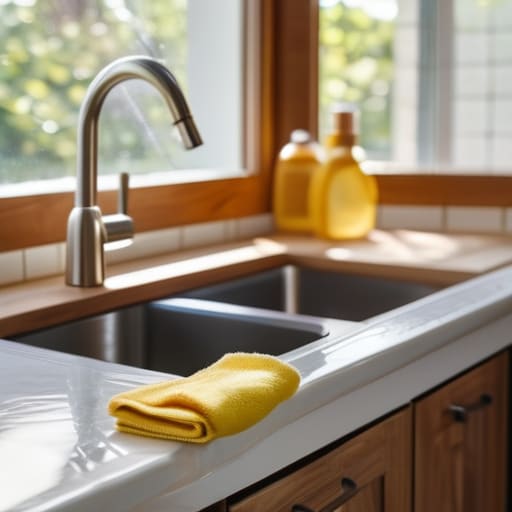
Don’t try to tackle the whole house at once; that’s a recipe for burnout. Instead, treat your home like a system that needs a logical workflow. I find that following a structured room by room cleaning guide prevents that aimless wandering from room to room where you end up just staring at a pile of mail. Start with the high-traffic zones like the kitchen and living area. For the kitchen, focus on the heavy hitters: degreasing the vent hood, scrubbing the backsplash, and pulling out the fridge to vacuum the coils. These specific kitchen deep cleaning tasks are what actually move the needle on hygiene and efficiency.
Once the heavy lifting is done, move into the private spaces. When you hit the bathroom, don’t just wipe the mirror; follow a strict sanitation checklist that includes scrubbing the grout and descaling the showerhead. Finally, tackle the bedrooms last. This is where my favorite decluttering tips for home come into play—if you don’t clear the surfaces first, you’re just moving dust from one pile to another. Keep the momentum steady, and you’ll be finished before you even realize you’ve started.
5 Pro-Tips to Stop Cleaning in Circles
- Work from top to bottom. I learned this the hard way when I spent an hour scrubbing my baseboards only to have dust from the ceiling fan settle right back on them. Clean the high stuff first; let gravity do the heavy lifting for you.
- Batch your tasks by tool, not just by room. If you’re already holding the microfiber cloths and the degreaser, hit every hard surface in the house in one go. It keeps you from constantly digging through your supplies and breaking your momentum.
- Set a hard timer. Deep cleaning can feel like a bottomless pit that swallows your entire Saturday. I use a strict timer to keep myself moving—if I’m not done with a zone when it dings, I move on. Perfection is the enemy of a free weekend.
- Don’t ignore the “invisible” grime. We usually focus on what we see, but the real chaos lives in the things we touch every day—light switches, door handles, and remote controls. Wipe them down while you’re in the zone; it takes ten seconds but makes the whole place feel actually sanitized.
- Use the “One-In, One-Out” rule while you clean. As you’re clearing out the clutter to reach the dust, don’t just move junk from one pile to another. If you find something you haven’t used in six months, toss it or donate it immediately. Don’t clean around clutter; eliminate it.
The Bottom Line
Stop aiming for perfection; aim for a system that works so you can stop thinking about cleaning and start living your life.
Gather your tools before you start—nothing kills momentum faster than hunting for a microfiber cloth mid-task.
Work through your space room by room, not task by task, to keep your focus sharp and your progress visible.
The Philosophy of the Reset
“A deep clean isn’t about achieving perfection or obsessing over dust; it’s about clearing the physical friction from your environment so your mind finally has the space to breathe.”
Liam Anders Chen
Get Out of the Grind and Back to Your Life
Look, deep cleaning isn’t about achieving some unattainable, sterile museum standard; it’s about building a system that prevents the chaos from creeping back in. We’ve gone through the essential supplies, organized the room-by-room workflow, and stripped away the fluff so you can tackle the grime without spinning your wheels. By following this checklist, you aren’t just scrubbing floors—you are optimizing your environment to reduce the mental friction that comes with living in a cluttered space. Once you have the right tools and a logical sequence, you can stop reacting to the mess and start managing your home with precision.
At the end of the day, the goal of every system I build is to buy back more of your most precious resource: time. Don’t let the “perfect” cleaning session become another item on your to-do list that drains your energy and stalls your progress. Use these steps to knock out the heavy lifting, clear the deck, and then shut the notebook. The real win isn’t a spotless countertop; it’s the mental clarity you feel when you finally sit down to relax, knowing everything is in its right place. Stop managing your mess and start living your life.
Frequently Asked Questions
How often should I actually be doing a deep clean versus just my regular weekly maintenance?
Look, don’t let the “deep clean” label intimidate you into thinking it’s a monthly marathon. I treat my weekly maintenance like a system reset: quick, high-impact tasks to keep the chaos at bay. I save the heavy lifting—the stuff that actually requires moving furniture or scrubbing baseboards—for once a quarter. If you’re doing a deep clean every week, you’re over-engineering. Maintain the baseline weekly; overhaul the system seasonally.
I have a very small apartment; how can I tackle this without feeling overwhelmed by the lack of space?
When you’re living in a small footprint, a massive mess feels twice as heavy. My rule: don’t try to clean the whole apartment at once; you’ll just feel trapped by your own clutter. Pick one zone—like your desk or the kitchen counter—and clear it completely. In a small space, surface area is your most valuable asset. Once that one spot is pristine, the mental clarity follows. Small wins, one corner at a time.
Are there any specific cleaning tools or solutions I can skip to keep things simple and cost-effective?
Look, you don’t need a cabinet full of specialized sprays for every single surface. That’s just clutter you have to manage. Most of those “miracle” cleaners are overpriced water. You can safely skip the niche degreasers and heavy-duty chemical kits. Stick to the basics: a good all-purpose cleaner, dish soap, white vinegar, and microfiber cloths. If you have those, you can handle 90% of your home without breaking the bank or your sanity.