I used to think DIY meant spending my entire Saturday covered in sawdust and surrounded by a mountain of expensive, specialized tools I’d never use again. But after years of managing high-stakes operations, I’ve learned that the most satisfying projects are the ones that offer a high return on effort without the unnecessary chaos. I’ve been experimenting with casting lately, and I’ve realized that concrete is one of the most underrated mediums for anyone looking to add a bit of industrial, minimalist character to their space. If you’ve been searching for concrete craft ideas that don’t require a degree in masonry or a massive workshop, you’re in the right place.
I’m not interested in projects that are just “cute” but ultimately serve no functional purpose in a streamlined home. Instead, I’ve narrowed it down to five specific, highly efficient projects that balance aesthetic appeal with genuine utility. By the end of this list, you’ll have a clear roadmap for creating custom, durable pieces—from desk organizers to sculptural planters—that look like they were plucked from a high-end boutique rather than a hardware store. Let’s cut through the fluff and get to the builds.
Table of Contents
Minimalist Desk Organizers
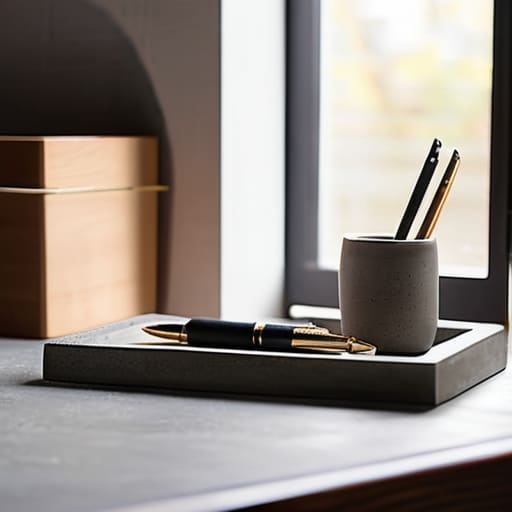
If your workspace feels like a battlefield of loose pens and tangled cables, you don’t need a fancy office overhaul; you just need a few solid, heavy pieces to anchor the chaos. I started making small concrete trays and pen holders because I wanted something that felt permanent and wouldn’t slide around every time I reached for my coffee. There is something incredibly satisfying about the weight of a well-cast concrete block sitting on a desk.
Brutalist Planters for Low-Maintenance Greenery
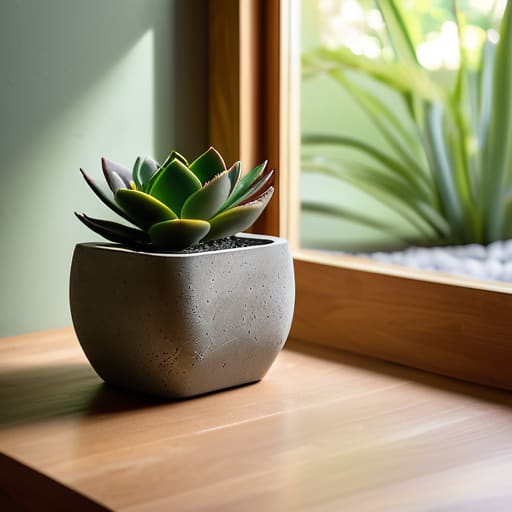
I’ve always preferred plants that don’t demand constant attention, and I found that concrete planters are the perfect companion for succulents or snake plants. The raw, industrial look of concrete provides a sharp contrast to the organic curves of a leaf, creating a visual balance that feels very intentional. It’s a simple way to bring some life into a room without making it feel cluttered or “fussy.”
Geometric Coasters for the Coffee Table
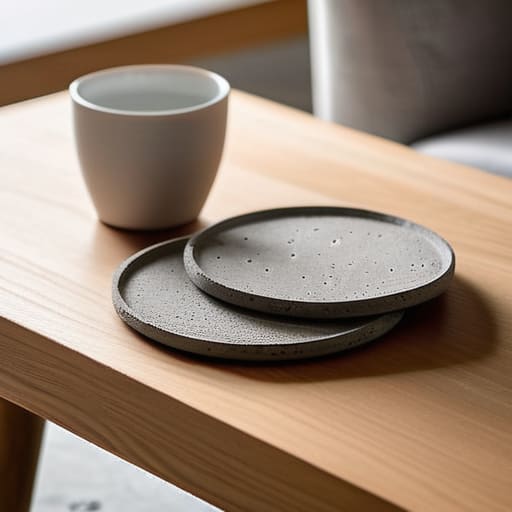
We spend a lot of time managing our belongings, so why not make the things we use every day actually look good? Concrete coasters are my go-to project when I have a spare hour on a Sunday afternoon because they require almost zero specialized equipment. They turn a mundane necessity—protecting your furniture from a water ring—into a small piece of functional art.
Industrial Candle Holders
Lighting can completely shift the mood of a room, but I’ve never been a fan of overly ornate or “shabby chic” candle holders that feel like they’re trying too hard. I prefer the heavy, grounded feel of concrete tea light holders. They feel substantial, they’re incredibly stable, and they add a layer of architectural interest to a bookshelf or a dining table without screaming for attention.
Minimalist Bookends
A disorganized bookshelf is a constant source of low-level mental friction for me. I can’t focus when my books are leaning at odd angles like they’re about to collapse. Making your own concrete bookends is a highly effective way to solve this problem while adding a sense of structural order to your library. Because books are heavy, you actually need the weight that concrete provides to keep them upright.
The Bottom Line
Don’t let the fear of a messy workspace stop you; concrete is forgiving, and a few imperfections actually add character to the finished piece.
Focus on the quality of your molds rather than the complexity of the design—a clean mold is the difference between a professional finish and a frustrating cleanup.
Start small with simple geometric shapes to master the mix consistency before you attempt anything more ambitious or structural.
## The Philosophy of Material
“Concrete isn’t about chasing complex patterns or expensive molds; it’s about the satisfaction of taking something raw and heavy and turning it into a functional piece of your home that actually serves a purpose.”
Liam Anders Chen
Stop Overthinking and Start Casting
At the end of the day, these five projects—from simple desk organizers to custom planters—aren’t about achieving architectural perfection. They are about the satisfaction of taking a raw, industrial material and turning it into something functional and permanent. Whether you’re casting a heavy-duty coaster to protect your workspace or a minimalist tray to clear the clutter off your entryway table, the goal is the same: create something that serves a purpose. You don’t need a massive workshop or expensive molds to get started; you just need a few basic containers, some quick-set mix, and the willingness to embrace the occasional air bubble as part of the process.
I know how easy it is to let “someday” become a permanent fixture in your schedule. We tell ourselves we’ll start that hobby once work settles down or once we have the perfect setup, but that’s just a recipe for more mental clutter. My advice? Grab a small bag of concrete this weekend and just see what happens. Don’t aim for a masterpiece; aim for a system of small wins. There is a profound sense of clarity that comes from working with your hands and finishing a tangible task. Stop managing your “to-do” list for a moment and go build something that actually lasts.
Frequently Asked Questions
Do I really need professional-grade molds, or can I just repurpose old plastic containers from my kitchen?
Don’t waste your money on professional molds right out of the gate. I’ve learned that the best systems are built from what you already have. Repurposing old yogurt containers, plastic takeout tubs, or even milk cartons works perfectly. Just make sure they’re clean and have smooth interior walls so you don’t fight the release later. It’s about being resourceful, not expensive. Start with your kitchen scraps and see what sticks.
How do I stop the concrete from cracking or bubbling while it's setting?
Cracking and bubbling are usually signs of rushed work or poor hydration. If it’s bubbling, you likely trapped air by mixing too aggressively or pouring too fast. Slow down your pour. For cracks, it’s almost always about moisture loss. You need to control the drying speed. Cover your piece with plastic or a damp cloth immediately after it sets to ensure a slow, even cure. Don’t rush the process; patience is your best tool here.
What’s the best way to seal these pieces so they don't leave a dusty residue on my desk or furniture?
The dust is the worst part—it ruins the aesthetic and makes your workspace feel neglected. To stop that residue, you need a high-quality penetrating sealer or a matte acrylic spray. I usually go with a spray-on matte sealer; it’s cleaner and doesn’t leave those weird, uneven streaks you get with brushes. Just make sure you’re working in a well-ventilated area and do two thin coats rather than one heavy one. It keeps the texture while locking everything in.