I used to think that solving my morning chaos required a massive renovation or some expensive, designer console table that looked great in a magazine but served zero actual purpose. I was wrong. Most of the “expert” advice on how to organize your entryway is just fluff designed to sell you more plastic bins you don’t need. I spent years tripping over stray sneakers and digging through a mountain of mail just to find my keys, all because I was following aesthetic trends instead of building a functional system.
I’m not here to sell you a lifestyle overhaul or a collection of overpriced decor. My goal is to help you strip away the clutter and build a high-efficiency zone that actually works for your real, messy life. I’m going to show you how to apply some basic systems engineering to that small space by the front door, focusing on frictionless transitions and durable setups. We’re going to find a way to make your entryway work for you, so you can stop hunting for your essentials and get on with your day.
Table of Contents
- Small Entryway Organization Hacks for High Speed Mornings
- Wall Mounted Entryway Organizers to Reclaim Your Floor Space
- The Five Non-Negotiables for a Frictionless Entryway
- The Bottom Line: Less Friction, More Flow
- The Philosophy of the Threshold
- Stop Managing Chaos and Start Moving
- Frequently Asked Questions
Small Entryway Organization Hacks for High Speed Mornings
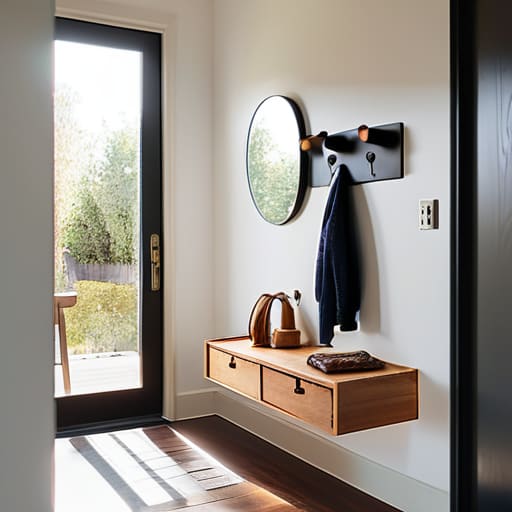
If you’re working with a cramped hallway, you can’t afford to waste space on things that don’t serve a purpose. I’ve learned that when square footage is tight, you have to stop thinking about the floor and start looking at the walls. Using wall mounted entryway organizers is a game-changer; it gets your keys, mail, and sunglasses off the random side table where they inevitably get buried. By keeping the floor clear, you eliminate that subconscious “clutter anxiety” that hits you the second you walk through the door.
For those of us who are constantly rushing out the door, the goal is to reduce friction. If you have even a few extra inches, a slim mudroom bench with storage underneath can act as a staging area for your daily essentials. It gives you a place to sit while pulling on boots, but more importantly, it hides the visual noise of stray shoes. It’s about creating a system where everything has a designated “home,” so you aren’t hunting for your left loafer while you’re already five minutes late for a meeting.
Wall Mounted Entryway Organizers to Reclaim Your Floor Space
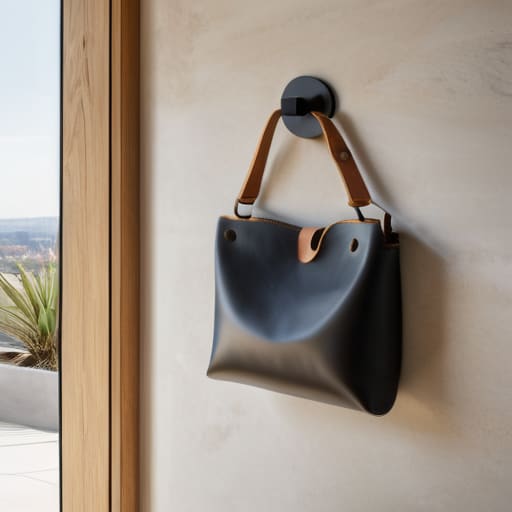
If your floor space is limited, stop trying to cram bulky furniture into a tight corner. That’s a recipe for clutter. Instead, look up. Utilizing wall mounted entryway organizers is the fastest way to clear the visual noise and reclaim your floor. I’m a big believer in verticality; if you can’t expand outward, expand upward. A sleek, floating shelf paired with heavy-duty hooks can handle your daily essentials—keys, sunglasses, and even that heavy work bag—without eating into your walking path.
For those of us who need a bit more structure, I recommend building out a dedicated hub. Think of it as a command center for your home. You can integrate a small mail sorter, a charging station for your phone, and a whiteboard for the week’s schedule. By consolidating these high-frequency tasks into one vertical zone, you bridge the gap between entryway decor and functionality. It’s not just about looking tidy; it’s about creating a system that handles the friction of your morning routine before you even step out the door.
The Five Non-Negotiables for a Frictionless Entryway
- Establish a “One-In, One-Out” rule for footwear. If you buy a new pair of sneakers, the beat-up old ones go in the bin or the back of the closet; don’t let your floor become a graveyard for shoes you haven’t worn in months.
- Deploy a dedicated “Launchpad” tray. I keep a small, heavy-duty tray right by the door for my keys, wallet, and that precision screwdriver I always need; if it isn’t in the tray, it doesn’t exist.
- Implement a “Zero-Gravity” mail system. Don’t let junk mail migrate from the door to the kitchen counter; set up a single, slim file holder immediately so you can shred the trash and file the important stuff before you even take your shoes off.
- Use uniform containers for the small stuff. Stop shoving loose items into baskets; use clear, labeled bins for things like umbrellas or reusable shopping bags so you can see exactly what you have without digging through the chaos.
- Audit your entryway every Sunday night. Spend five minutes resetting the space for the week ahead—clear the clutter, straighten the rug, and make sure the path is clear so Monday morning doesn’t start with a mental hurdle.
The Bottom Line: Less Friction, More Flow
Stop treating your entryway like a dumping ground; if an item doesn’t have a dedicated, easy-to-reach home, it’s just future clutter waiting to happen.
Prioritize vertical space to keep your floor clear—the less you have to step over, the faster you’ll move through your morning routine.
Build a system that works for your actual life, not an idealized version of it; keep your tools simple, your paths clear, and your essentials within arm’s reach.
The Philosophy of the Threshold
“Your entryway shouldn’t be a junk drawer you walk through every morning; it should be a frictionless transition zone that prepares your mind for the day ahead.”
Liam Anders Chen
Stop Managing Chaos and Start Moving
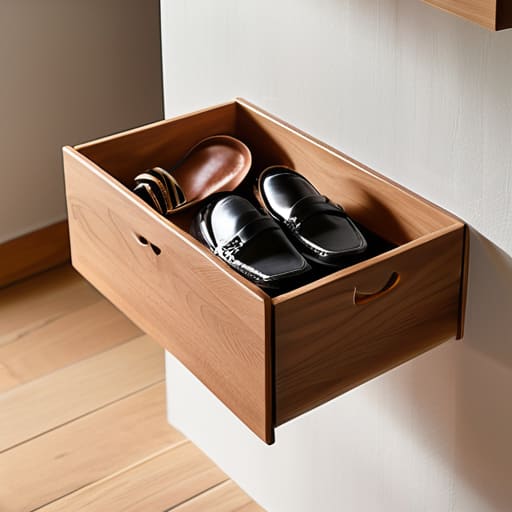
At the end of the day, organizing your entryway isn’t about achieving some Pinterest-perfect aesthetic; it’s about reducing friction. We’ve covered how to maximize every square inch of floor space with wall-mounted systems and how to deploy small, tactical hacks that keep your most essential items—keys, mail, and shoes—exactly where they belong. When you stop fighting against a pile of clutter every time you walk through the door, you stop wasting the mental energy you need for the rest of your day. It’s about creating a repeatable system that works for you, rather than a mess that you have to constantly manage.
I know it feels like just another chore on an already overflowing to-do list, but I promise you that the payoff is worth the initial effort. Every minute you save searching for your sunglasses or untangling a leash is a minute you get back to actually live your life. Don’t aim for perfection on day one; just aim for a little more clarity and calm. Grab that screwdriver, clear off that one cluttered surface, and build a gateway to your home that actually supports your pace. You deserve a space that works as hard as you do.
Frequently Asked Questions
I live in a tiny studio apartment; how can I organize an entryway when there isn't even a dedicated hallway?
In a tiny studio, you don’t have the luxury of a hallway, so you have to stop thinking “entryway” and start thinking “zone.” I use a vertical approach. Grab a slim, tall command hook strip or a narrow floating shelf right next to your door. If it’s on the floor, it’s clutter; if it’s on the wall, it’s a system. Keep it tight, keep it vertical, and keep your essentials within arm’s reach.
What's the best way to handle seasonal gear, like heavy winter coats and muddy boots, without making the space look like a storage unit?
The trick is to stop treating your entryway like a permanent warehouse. If it’s not in use right now, it shouldn’t be in your sightline. I use slim, stackable bins for summer gear tucked away in a closet, and for the heavy stuff, I swear by a dedicated “transition zone.” Get a heavy-duty boot tray for the mud and a seasonal bin for coats. If it’s out of season, move it out of the flow.
How do I balance keeping things functional without the entryway looking cluttered or visually overwhelming?
The trick is to stop treating your entryway like a storage unit and start treating it like a transit zone. If it’s not essential for the “grab and go” moment, it doesn’t belong there. Use closed storage—think opaque bins or a cabinet with doors—to hide the visual noise of mail and chargers. If you can’t see the mess, your brain doesn’t have to process it. Keep the surfaces clear; if it doesn’t have a dedicated home, it’s clutter.