I used to think that a truly clean apartment required a cabinet full of neon-colored liquids, each claiming to solve a different “crisis” for twenty dollars a bottle. It was a massive waste of space and money, and frankly, the chemical smell was enough to give me a headache before I even finished my morning coffee. I realized I was spending more time managing my cleaning supplies than actually cleaning, which is the exact opposite of how a streamlined system should work. You don’t need a specialized chemical for every surface; you just need a few smart, effective diy cleaning products that actually do the job without the marketing fluff.
I’m not here to give you some complicated, ten-step ritual that requires a chemistry degree and a trip to a specialty store. Instead, I’m going to share the exact, stripped-back formulas I use in my own home to keep things functional and clutter-free. My goal is to give you a minimalist toolkit of reliable recipes that work. We’re going to cut through the noise and get you back to what matters, using simple ingredients that won’t eat through your lungs or your wallet.
Table of Contents
- Mastering Cost Effective Cleaning Solutions That Actually Work
- Essential Oils for Cleaning Scent Without the Chemical Chaos
- My Minimalist Toolkit: 5 Rules for DIY Cleaning Without the Mess
- The Bottom Line: Clean Smarter, Not Harder
- The Philosophy of a Clean Space
- The Bottom Line
- Frequently Asked Questions
Mastering Cost Effective Cleaning Solutions That Actually Work
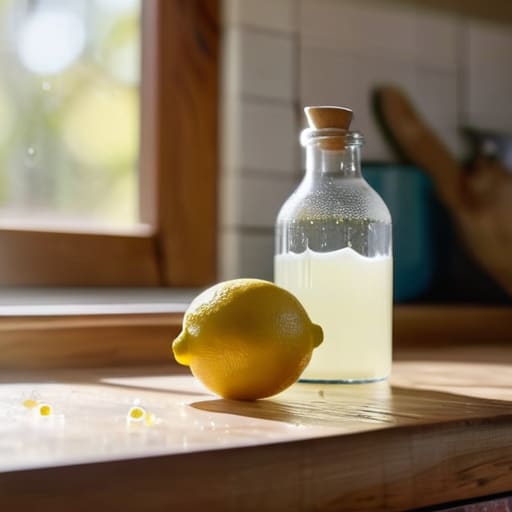
Look, I’ve spent enough time analyzing systems to know that most commercial cleaners are just overpriced water in fancy plastic bottles. You’re paying a massive premium for branding and marketing when the real heavy lifters are likely sitting in your pantry right now. By switching to cost-effective cleaning solutions made from basic staples, you aren’t just saving money; you’re stripping away the unnecessary complexity of your shopping list. I keep a small stock of white vinegar, baking soda, and lemon juice on hand—it’s a streamlined system that works every single time.
The real magic happens when you understand the chemistry of vinegar and baking soda cleaning. They aren’t just old wives’ tales; they are functional tools that tackle grease and grime without needing a chemistry degree. If you want to elevate the experience, a few drops of essential oils for cleaning, like lemon or eucalyptus, can mask that sharp vinegar scent and make your space feel intentional rather than just “sanitized.” It’s about finding that balance between high performance and a minimalist approach to your home maintenance.
Essential Oils for Cleaning Scent Without the Chemical Chaos

Let’s be real: most commercial cleaners leave behind a scent that feels less like “fresh linen” and more like a chemistry lab explosion. I’ve always preferred a more controlled approach. Using essential oils for cleaning isn’t just about making your kitchen smell like a spa; it’s about adding functional properties to your routine without the synthetic headache. I usually keep a small stash of lemon, tea tree, and eucalyptus on hand because they do the heavy lifting for me.
Lemon is my go-to for cutting through grease on the stovetop, while tea tree oil acts as a natural powerhouse for surfaces that need a bit more antimicrobial muscle. When you mix these into your existing vinegar and baking soda cleaning setups, you’re creating a much more pleasant experience. More importantly, it makes your home a space for safe cleaning for pets and kids, so you aren’t constantly worrying about what they might accidentally touch or inhale. It’s a small, repeatable tweak to your system that yields much better results for your lungs and your wallet.
My Minimalist Toolkit: 5 Rules for DIY Cleaning Without the Mess
- Stop buying specialized cleaners for every single surface; a simple mix of white vinegar, water, and a drop of dish soap in a glass spray bottle will tackle about 80% of your daily grime.
- Invest in high-quality glass spray bottles rather than cheap plastic ones, because if you’re going to make your own solutions, they should actually last and not leak in your cleaning cupboard.
- Never mix vinegar with bleach—I know it sounds like a small thing, but creating toxic fumes is the exact opposite of the “mental clarity” I’m trying to build here.
- Keep a small batch of baking soda paste ready in a mason jar for tough stains; it’s much faster to grab a pre-mixed jar than to start measuring from scratch when you’re in the middle of a deep clean.
- Label everything immediately with a permanent marker or a simple sticker; there is nothing more frustrating than reaching for a bottle thinking it’s glass cleaner, only to realize it’s concentrated vinegar.
The Bottom Line: Clean Smarter, Not Harder
Stop overcomplicating your cleaning cabinet; most of what you need is already in your pantry, and it’s significantly cheaper than the big-brand alternatives.
Focus on multi-purpose ingredients like vinegar and baking soda to reduce clutter and save time spent switching between dozen of specialized bottles.
Use essential oils to control the atmosphere of your home without breathing in synthetic fragrances that just add mental noise to your space.
The Philosophy of a Clean Space
“A clean home shouldn’t require a chemistry degree or a massive grocery budget; it just requires a few reliable tools and the sense to stop overcomplicating the process.”
Liam Anders Chen
The Bottom Line
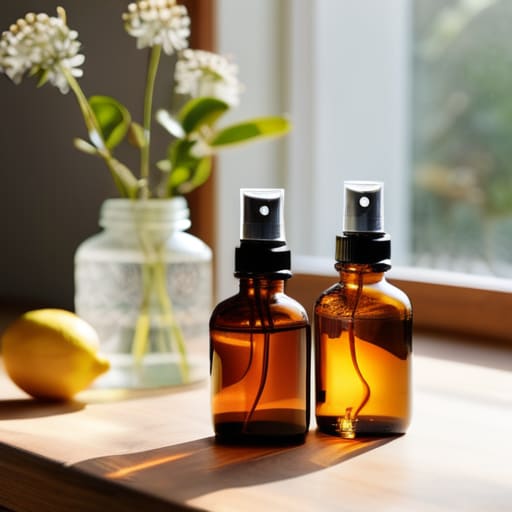
At the end of the day, switching to DIY cleaners isn’t about becoming a chemist or spending hours in the kitchen; it’s about simplifying your inventory. We’ve covered how a few staples like white vinegar, baking soda, and a handful of essential oils can replace a dozen specialized, overpriced bottles cluttering your under-sink cabinet. By mastering these basic formulas, you’re not just saving money and reducing chemical exposure—you’re removing unnecessary friction from your household maintenance. You no longer have to hunt for a specific “bathroom-only” spray when a simple, effective solution is already sitting in your pantry.
My philosophy has always been that the best systems are the ones that run quietly in the background without demanding constant attention. Building your own cleaning kit is a small, repeatable win that helps you reclaim your environment and your peace of mind. Don’t feel like you have to overhaul your entire cleaning routine overnight. Just pick one product, try a recipe, and see how it feels to work with tools that actually serve you. Stop letting the chaos of a cluttered, chemical-heavy home dictate your schedule. Take control of your space, strip away the excess, and get back to the things that actually matter.
Frequently Asked Questions
Are there any specific surfaces, like granite or hardwood, that I should avoid using these DIY mixtures on?
Look, I’m all for simplifying things, but don’t go rogue with the vinegar. Acid is a killer for natural stone like granite or marble—it’ll etch the surface and ruin that finish you worked hard to maintain. Same goes for hardwood; too much moisture or acidity can warp the planks over time. Stick to a mild, pH-neutral soap for those high-end surfaces. It’s better to spend five minutes testing a small patch than fifty dollars on a professional resurfacing.
How long can I actually store these homemade cleaners before they lose their effectiveness or start to smell?
Here’s the reality: since we aren’t using heavy-duty synthetic preservatives, these won’t last forever. For water-based sprays, aim to use them within two weeks. If you’re making a larger batch, keep it in a cool, dark spot to stretch it to a month. Beyond that, you risk bacteria growth or the scent turning sour. My rule of thumb? Small batches only. It’s better to spend five minutes mixing a fresh bottle than cleaning up a moldy one.
Is it safe to mix these natural ingredients with the commercial cleaners I already have under the sink?
Short answer: No. Don’t do it. I’ve spent enough time troubleshooting broken systems to know that mixing unknown variables is a recipe for disaster. Combining natural ingredients like vinegar with commercial cleaners can trigger nasty chemical reactions—like creating toxic chlorine gas. It’s not worth the risk to your lungs or your surfaces. Stick to one system: either use your DIY blends or your store-bought stuff. Keep it simple, keep it safe.