Look, I get it. You want to do something creative with your kids, but the moment you think about “craft time,” your brain immediately goes to a mountain of expensive glitter, half-empty glue bottles, and a living room that looks like a crime scene. Most kids craft ideas you find online are way too complicated and require a level of prep work that most of us—especially those of us juggling a career and a household—simply don’t have the bandwidth for. We need activities that actually work without turning our homes into a permanent disaster zone.
In this post, I’m stripping away the fluff and focusing on five high-impact, low-mess projects. I’ve curated these specific kids craft ideas to ensure they are systematic and simple, using materials you likely already have in your junk drawer or pantry. You’re going to learn how to engage your kids’ curiosity and keep them occupied for a solid stretch, all while maintaining your mental clarity and keeping the cleanup under five minutes. Let’s get to it.
Table of Contents
The Cardboard Engineering Station
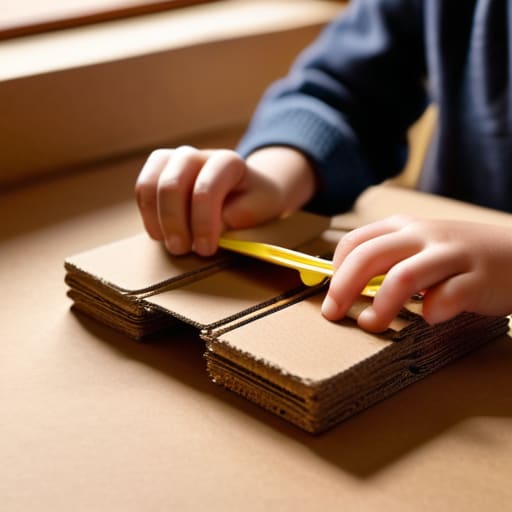
Look, we all have a mountain of delivery boxes sitting by the door, and instead of letting them clutter your entryway, turn them into a workspace. Grab some heavy-duty masking tape and a pair of safety scissors, and let the kids build their own little fort or a custom desk organizer. It’s not about making something pretty for a fridge display; it’s about teaching them how to structure a concept from scratch.
Low-Mess Nature Collages
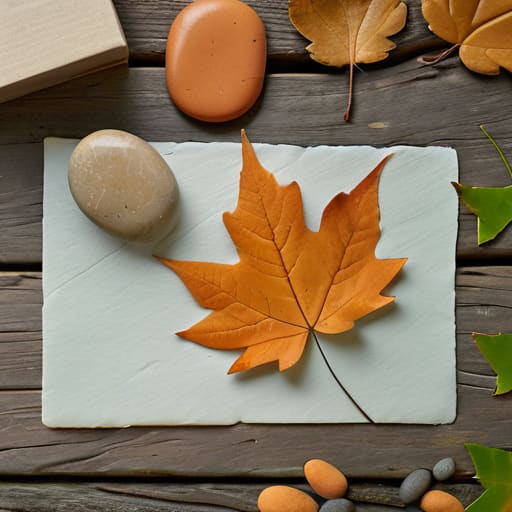
If the idea of glitter and liquid glue makes you want to retreat to a quiet room, skip the craft store entirely and head outside. A simple walk in the park can yield everything you need: fallen leaves, interesting twigs, and smooth stones. All you need is a piece of heavy cardstock and a minimalist amount of glue to turn a walk into a creative session.
The Custom Sticker System
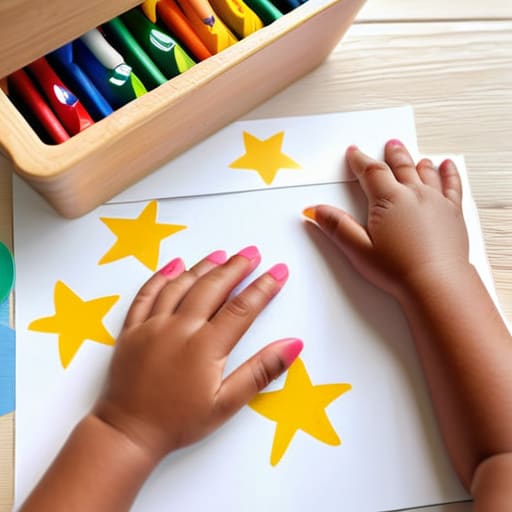
Most kids are obsessed with stickers, but the real value here is in the organization. Instead of buying expensive kits, get some plain paper, some markers, and a sheet of basic sticker paper. Let them design their own “reward” or “label” stickers. It turns a simple drawing session into a way for them to categorize their world, whether that’s labeling their toy bins or marking their favorite books.
Mason Jar Sensory Stations
If you need twenty minutes of peace to catch up on emails or just breathe, grab some old glass jars and fill them with water, a bit of glycerin, and some glitter or small beads. This isn’t just a “toy”; it’s a visual tool that helps kids regulate their focus. When things get too loud or overwhelming, watching the particles settle in the jar can be incredibly calming.
Upcycled Tin Can Organizers
Don’t throw away those empty soup or vegetable cans just yet. Once they are cleaned and the edges are checked for sharpness, they become the perfect modular components for a desk or craft station. A quick coat of paint or even just wrapping them in leftover twine turns trash into a functional storage solution.
The Bottom Line
Stop chasing perfection; if the craft is a little messy, it means they’re actually learning something.
Keep your supplies streamlined and accessible so you aren’t spending more time digging through bins than actually creating.
Focus on the process rather than the end product to keep the stress levels low for both you and the kids.
Systems Over Supplies
“The goal isn’t to build a masterpiece that sits on a shelf gathering dust; it’s about setting up a low-friction environment where they can create, fail, and learn without you needing to spend three hours cleaning up the aftermath.”
Liam Anders Chen
Less Mess, More Memories
Look, the goal here wasn’t to turn your living room into a permanent art studio or to spend three hours setting up a project that lasts ten minutes. We covered everything from low-mess sticker art to the classic, tactile joy of salt dough, focusing on activities that use what you already have in your junk drawer. By choosing projects that prioritize process over perfection, you aren’t just keeping the kids occupied; you’re building a repeatable system for creativity that doesn’t require a massive cleanup crew. Stick to the simple stuff, keep the supplies accessible, and don’t feel like you need to buy a specialized kit just to make something cool.
At the end of the day, I’ve learned through my own obsession with efficiency that the most valuable thing we can give our kids isn’t a perfectly curated activity—it’s our undivided attention. If the glue spills or the glitter ends up in the rug, let it go. Those little moments of chaotic creation are where the real learning happens, far away from any structured lesson plan. Stop worrying about the aesthetic outcome and just enjoy the mess. Life is far too short to spend it stressing over a crooked paper plate sun when you could be making memories that actually matter.
Frequently Asked Questions
How do I keep the mess contained so I'm not cleaning up for an hour after the activity is done?
The secret isn’t a better vacuum; it’s a better system. I treat every activity like a mini-operation. Before you even open the glue, set up a “containment zone”—a cheap plastic tray or a dedicated silicone mat. Everything stays inside those boundaries. I also swear by the “clean-as-you-go” rule: if you have a thirty-second lull while the paint dries, wipe that one spot. Don’t let the chaos accumulate; nip it in the bud.
What are some low-cost alternatives for supplies if I don't want to run to the craft store every week?
Look, the last thing you need is another errand on your to-do list. I keep a “system” for this: stop looking at things as trash and start seeing them as inventory. Cardboard boxes from deliveries, empty toilet paper rolls, and old jars aren’t junk—they’re structural components. Check your recycling bin before you hit the store. Most “craft supplies” are just overpriced versions of stuff you already have in your pantry or recycling.
How can I adapt these ideas for younger kids who still struggle with fine motor skills?
Look, if their hands aren’t quite ready for precision work, stop forcing it. You’ll just end up with a meltdown and a mess. Switch to “gross motor” versions: swap small beads for large pom-poms or chunky wooden blocks. Instead of tiny scissors, let them tear up construction paper with their hands. The goal isn’t a masterpiece; it’s just keeping them engaged without the frustration. Keep the tools big and the stakes low.