I was standing in my kitchen last Tuesday, staring at a pool of lukewarm, grey water slowly rising around my ankles, thinking about how much I loathe wasted time. There is nothing quite like a backed-up sink to completely derail a productive morning and turn your home into a source of immediate, messy stress. Most people think the answer is to pour a gallon of harsh, bubbling chemicals down the pipe and hope for a miracle, but that’s a myth that usually just ends up damaging your plumbing in the long run. If you want to learn how to unclog a drain without turning your kitchen into a hazardous waste site, you need a systematic approach, not a chemical cocktail.
I’m not here to sell you on expensive gadgets or complicated plumbing hacks that take three hours to implement. Instead, I’m going to show you a few straightforward, mechanical solutions that actually work. We’re going to walk through the most efficient ways to clear those obstructions using tools you likely already have in your junk drawer or can grab for a few bucks at the hardware store. My goal is to help you fix the problem, clear the water, and get you back to your actual life as quickly as possible.
Table of Contents
Guide Overview
Tools & Supplies
- Plunger [Cup-style for sinks or flange-style for toilets]
- Drain Snake [Handheld auger to reach deep clogs]
- Baking Soda [1/2 cup]
- White Vinegar [1/2 cup]
- Boiling Water [1 kettle]
Step-by-Step Instructions
- 1. First, grab that precision screwdriver or a pair of pliers from your toolkit. Most modern drains have a removable stopper or a grate that’s just sitting there holding onto a mess of hair and grime. Remove the stopper entirely so you can actually see the extent of the damage; if you try to work around it, you’re just guessing.
- 2. Once the grate is out of the way, reach in—use a glove if you want to keep your hands clean—and pull out any visible debris. I’ve learned the hard way that a quick manual clear of the hairball sitting right at the top can solve 50% of your problems before you even need to get “heavy duty” with your tools.
- 3. If the water is still sitting there stubbornly, it’s time to use a plunger. Don’t just go to town on it wildly; you need to create a proper vacuum seal by ensuring the plunger covers the entire drain opening. Give it a few firm, rhythmic plunges to force the pressure through the clog rather than just splashing water back up at your face.
- 4. If the plunger fails, we need to move to the mechanical approach: the drain snake. Feed the cable into the pipe slowly, feeling for that moment of resistance where the clog is hiding. Once you feel it, give the snake a slight twist to bite into the obstruction, then pull it back out—this is usually where the most satisfying (and gross) part of the job happens.
- 5. For the stubborn, organic clogs that won’t budge, skip the harsh, corrosive chemicals that eat your pipes and go with a simple DIY solution. Pour half a cup of baking soda down the drain, followed by half a cup of white vinegar. Let it fizz and react for about fifteen minutes; it’s a controlled, systematic way to break down the gunk without ruining your plumbing.
- 6. Finally, flush the system with a kettle of boiling water. This helps melt away any remaining soap scum or grease that the vinegar loosened up. Once the water is flowing freely and the sound of the drain is clear, clean your tools and put them back in your bag immediately. A system only works if you maintain the tools that keep it running.
Mastering Plunger Techniques for Sinks Without the Mess
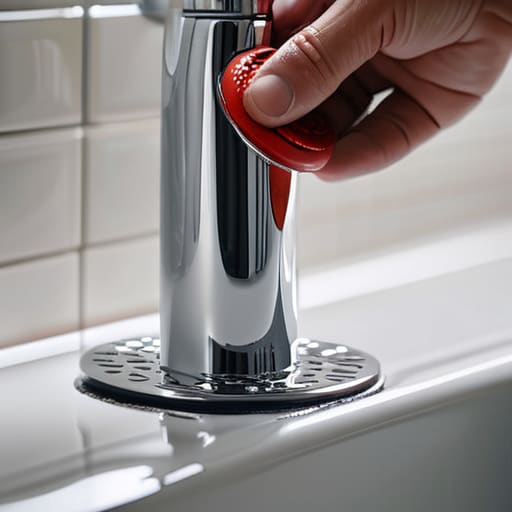
Most people grab a plunger and start pumping wildly, which is usually the fastest way to splash dirty water all over your bathroom floor. If you’re dealing with a sink, you need to be surgical. First, plug the overflow hole with a damp rag; if you don’t, the air pressure will just escape through that hole instead of forcing the clog through the pipes. Once you have a tight seal, focus on slow, deliberate strokes. You aren’t trying to win a race; you’re trying to build enough suction and pressure to shift the obstruction.
If the plunger isn’t doing the trick, don’t keep wasting your energy. Sometimes, the issue is deeper than a simple surface blockage. Before you go out and buy a heavy-duty tool, try a quick rinse of baking soda and vinegar method to see if a chemical reaction can loosen the buildup. If that fails, you might need to move on to using a plumbing snake to physically grab whatever is stuck. My rule is simple: if it doesn’t move after five minutes of focused effort, change your system rather than just working harder.
The Baking Soda and Vinegar Method for Natural Relief
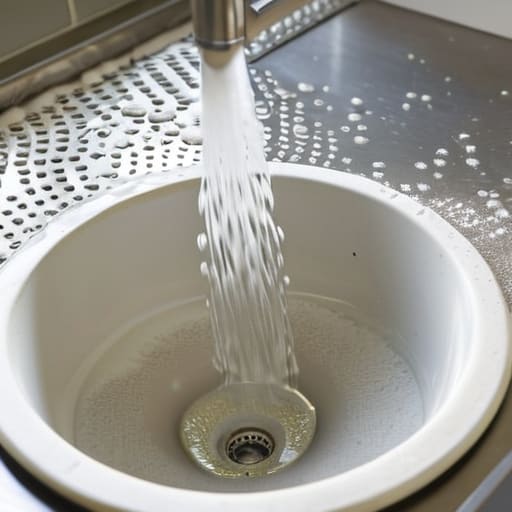
If you’ve already tried your best plunger techniques for sinks and the water still isn’t budging, it’s time to pivot to something a bit more chemical-free. I’m a big believer in using what you already have in the pantry rather than pouring harsh, corrosive liquids down your pipes—most of those store-bought cleaners can actually damage your plumbing over time. Instead, I rely on the baking soda and vinegar method because it’s predictable, safe, and surprisingly effective for minor buildup.
Start by pouring about half a cup of baking soda down the drain, followed by half a cup of white vinegar. You’ll hear that familiar fizzing sound; that’s the reaction working to break down organic matter. Let it sit for at least fifteen minutes, then flush it with a kettle of boiling water. This is a great way of preventing future drain clogs before they turn into a full-blown emergency. It won’t replace the need for using a plumbing snake if you’re dealing with a heavy-duty blockage, but for everyday maintenance, it’s a system that just works.
Three Pro-Tips to Keep the Chaos at Bay
- Stop the problem before it starts by installing a high-quality mesh strainer; it’s a tiny, cheap upgrade that saves you from a massive headache later.
- If you’re dealing with a slow sink, run a kettle of boiling water down the drain once a week to melt away any residual soap scum or grease buildup.
- Avoid the temptation to pour harsh, caustic chemical cleaners down your pipes; they can actually damage your plumbing and make a real clog even harder to fix.
- Keep a small bucket or a dedicated “drain bin” under your sink so you have something ready to catch water the moment you have to unscrew a P-trap.
- Treat your drains like any other system—regular, small maintenance is always more efficient than waiting for a total system failure.
The Bottom Line for a Clear Drain
Don’t jump straight to harsh chemicals; start with the simplest mechanical or natural methods first to save your pipes (and your lungs) from unnecessary damage.
Always match your tool to the task—a sink plunger isn’t a substitute for a heavy-duty drain snake if you’re dealing with a deep blockage.
Prevention is the ultimate time-saver; a quick weekly flush with hot water is worth more than an hour spent fighting a stubborn clog on a Tuesday night.
## The Philosophy of Maintenance
A clogged drain isn’t just a plumbing nuisance; it’s a breakdown in your home’s basic systems. Don’t let a minor mechanical failure hijack your entire evening—fix it decisively, clear the path, and get back to what actually matters.
Liam Anders Chen
Getting Back to Your Routine
At the end of the day, whether you reached for the plunger to create a vacuum seal or opted for the chemistry of baking soda and vinegar, the goal was the same: to restore order to your space. Dealing with a clogged drain is rarely a fun way to spend a Saturday, but by following these systematic approaches, you’ve turned a potential household crisis into a manageable maintenance task. Remember that the key is to start with the least invasive method first—don’t go straight for the heavy chemicals if a simple mechanical fix can do the job. By choosing the right tool for the specific type of blockage, you save time, protect your plumbing, and avoid unnecessary mess in your kitchen or bathroom.
My philosophy has always been that we shouldn’t let small, mechanical failures dictate the quality of our day. A slow drain is just a symptom of a system that needs a little attention, not a reason to let your entire schedule spiral into chaos. Once the water is flowing freely again, take a second to appreciate that small win. These minor victories in home maintenance are what build a seamless, functional environment. Now that you’ve cleared the obstacle, close the cabinet, put your tools back in their proper place, and get back to the things that actually matter.
Frequently Asked Questions
When should I stop trying to fix it myself and just call a professional plumber?
Look, I’m all for DIY, but I’m also a realist. If you’ve tried the plunger and the natural cleaners and that water still isn’t moving, stop. If you see water backing up into the shower when you flush the toilet, or if you smell raw sewage, you’ve moved past a simple clog and into a main line issue. Don’t risk a flooded kitchen or a broken pipe just to save a few bucks. Call a pro.
Are there any chemical drain cleaners I should avoid to prevent damaging my pipes?
Look, I get the temptation to grab a heavy-duty chemical cleaner when you’re frustrated, but be careful. I’d steer clear of anything containing high concentrations of sulfuric acid or sodium hydroxide. They generate intense heat that can actually warp PVC pipes or crack older porcelain. If you have older metal plumbing, those harsh chemicals can eat through the joints. Stick to the mechanical or natural methods we discussed; your plumbing—and your wallet—will thank you.
How can I prevent these clogs from happening again in the first place?
Prevention is much easier than a mid-afternoon plumbing crisis. I treat my drains like any other system: maintenance is key. Start by installing fine-mesh strainers in every sink and shower to catch hair and debris before they enter the pipes. Most importantly, stop treating your kitchen sink like a trash can—no grease, no coffee grounds, nothing. If you manage the input, you won’t have to deal with the output.