I remember sitting at my desk last Tuesday, staring at a half-empty bag of gummy bears and feeling that familiar, heavy fog settle over my brain. It wasn’t just a craving; it was a system failure. Most people approach health like a high-maintenance machine, buying expensive “sugar-free” supplements or following complicated detox protocols that take more time to manage than they’re worth. I’m tired of the hype. If you’re looking for a way to learn how to reduce sugar in your diet without turning your kitchen into a laboratory or spending a fortune on niche products, you’re in the right place.
I’m not here to sell you on a lifestyle overhaul that collapses by next Friday. Instead, I want to share the practical, repeatable systems I used to strip the excess from my own routine. We’re going to focus on small, mechanical adjustments—cleaning up your pantry, reading labels like a manual, and automating better choices—so you can stop fighting your cravings and start feeling like yourself again. This isn’t about perfection; it’s about eliminating the chaos so you can actually fuel your life.
Table of Contents
Spotting the Hidden Sugars in Processed Foods
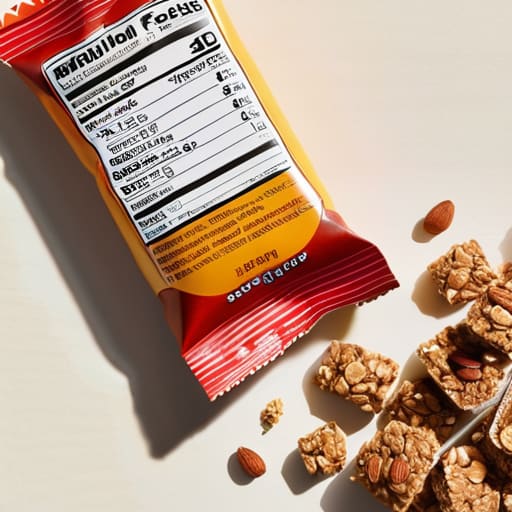
If you want to master your diet, you have to stop trusting the marketing on the front of the box and start looking at the fine print. Most manufacturers are experts at camouflage; they’ll slap a “natural” or “healthy” label on a yogurt container, but the math tells a different story. To get real, you need to learn how to read nutrition labels for sugar with a critical eye. I used to think I was making good choices until I realized my “healthy” granola bars had more sugar than a candy bar.
The trick is to look past the total grams and scan the ingredient list for the aliases. If you see words ending in “-ose”—like maltose, dextrose, or fructose—you’re looking at refined additives in disguise. These are the primary hidden sugars in processed foods that spike your insulin and leave you crashing by noon. I keep a small notebook in my bag for a reason; I find that once you start documenting these sneaky additions, you stop being a passive consumer and start taking back control of your energy levels.
Mastering the Art of How to Read Nutrition Labels for Sugar
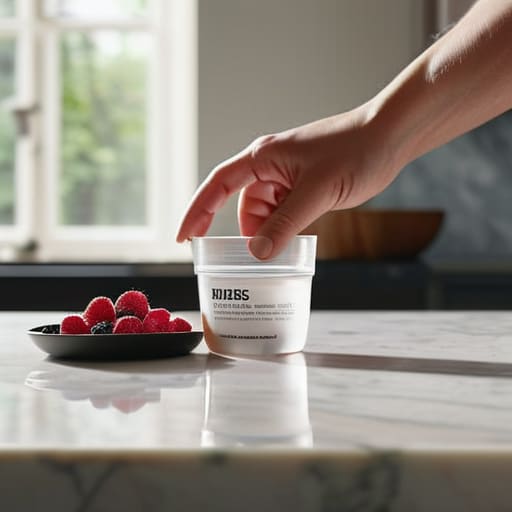
When I first started optimizing my own routine, I realized that most people approach nutrition labels like they’re reading a manual for a machine they don’t own. They see a number and move on. But if you want to actually master how to read nutrition labels for sugar, you have to look past the “Total Sugars” line. That number is often a lie by omission. You need to dive straight into the ingredient list. If you see words ending in “-ose”—sucrose, fructose, maltose—or even syrups and concentrates, you’re looking at a system designed to spike your insulin rather than fuel your day.
Don’t let the marketing on the front of the box fool you with claims like “all-natural” or “low fat.” Often, when manufacturers strip out fat, they compensate by cranking up the sweetener to maintain palatability. I’ve learned to treat the ingredient list as the single source of truth. If a sweetener is one of the first three ingredients listed, it’s not a supplement; it’s the foundation. By learning to spot these patterns, you stop being a passive consumer and start taking back control of your energy levels.
My Five-Step System for Stripping Sugar from Your Routine
- Audit your morning ritual. Most people lose the battle before they even leave the house because of sweetened yogurts or flavored coffees. Swap the processed fruit cups for real berries and switch your flavored creamer for a splash of whole milk or a dash of cinnamon. It’s a small system change that yields massive dividends.
- Build a “Whole Foods First” pantry. When I’m organizing my kitchen, I make sure the foundation consists of things that don’t require a chemistry degree to understand. If it comes in a box with twenty ingredients, it’s probably a trap. Focus on single-ingredient staples—eggs, oats, nuts, proteins—so you aren’t forced to rely on convenient, sugar-laden snacks when you’re busy.
- Use the “Substitution Rule” instead of deprivation. I’ve learned that trying to simply “stop” eating something usually fails. Instead, replace. If you’re craving a soda, reach for sparkling water with a squeeze of lime. If you need sweetness in your oats, use a bit of vanilla extract. You’re hacking the craving rather than fighting a war against it.
- Master the art of the DIY sauce. A huge amount of hidden sugar lives in the “convenience” items like salad dressings, ketchup, and marinades. I keep a few basic ingredients on hand—olive oil, vinegar, Dijon mustard—to whip up my own dressings in seconds. It takes an extra minute, but it eliminates the clutter of unnecessary additives.
- Plan for the “Low-Battery” moments. We all have those days where the mental load is too high and we just want something easy. This is when the sugar cravings hit hardest. Prepare a “fail-safe” snack—like a handful of almonds or a hard-boiled egg—so when your energy dips, you have a functional tool to stabilize yourself instead of reaching for a candy bar.
The Minimalist Approach to Sugar Reduction
Stop playing guessing games with your food; once you know how to spot hidden sugars and read labels, you strip away the confusion and take back control of your pantry.
Focus on high-quality, whole ingredients that don’t require a decoding ring to understand, reducing the mental load of every meal you prep.
Don’t aim for overnight perfection; instead, implement small, repeatable swaps that stabilize your energy without turning your kitchen into a battlefield.
Systems Over Willpower
Reducing sugar isn’t about white-knuckling your way through a craving; it’s about redesigning your environment so the junk never makes it into your system in the first place. Stop fighting your biology and start fixing your pantry.
Liam Anders Chen
Systems Over Willpower
At the end of the day, cutting back on sugar isn’t about willpower or punishing yourself with a restrictive diet; it’s about engineering your environment for success. We’ve covered how to identify those sneaky, hidden sweeteners lurking in your pantry and how to decode a nutrition label like a pro. By mastering these two skills, you stop being a passive consumer and start being the manager of your own health. Remember, the goal isn’t perfection—it’s about removing the friction that leads to mindless snacking and replacing it with intentional, fuel-focused choices.
I know that shifting your habits feels like trying to retool an entire production line overnight. It’s messy, and you might slip up. But don’t let a single setback derail your entire system. If you find yourself reaching for a sugary snack, don’t scrap the plan; just recalibrate and move forward. Life is far too complex to spend it constantly fighting against your own biology. Strip away the excess, simplify your kitchen, and focus on what actually matters. Once you clear out the sugar-induced chaos, you’ll finally have the mental clarity to focus on the things that actually make life worth living.
Frequently Asked Questions
How do I handle the intense sugar cravings that hit during the first week of cutting back?
The first week is a battle of biology, not willpower. When those cravings hit, don’t try to white-knuckle it through sheer grit; you’ll eventually crash. Instead, lean on a system. Keep high-protein snacks—like almonds or hard-boiled eggs—within arm’s reach to stabilize your blood sugar. If the urge is overwhelming, grab a glass of water or some herbal tea first. Most cravings are just your brain misinterpreting thirst or fatigue. Stay prepared, and stay steady.
Are there any simple, low-effort meal prep hacks to ensure I don't reach for processed snacks when I'm busy?
When things get chaotic, I rely on “component prepping” rather than full meals. Don’t waste hours on complex recipes; just prep versatile building blocks. Roast a big batch of vegetables, boil some eggs, or portion out nuts and Greek yogurt into small containers. If the healthy option is already sitting in your fridge, ready to grab, you won’t reach for that processed granola bar. It’s about reducing friction so the right choice becomes the easiest one.
What are some reliable, natural alternatives I can use in my coffee or cooking that won't spike my energy levels?
If you’re looking to swap out the white stuff without the inevitable crash, keep it simple. For my morning coffee, I stick to cinnamon—it adds warmth without the glucose spike. If you need actual sweetness in cooking, monk fruit or stevia are your best bets because they don’t mess with your insulin levels. Just treat them like tools: use them precisely to enhance the flavor, not to mask a poor diet.