I used to stare at my fridge every Tuesday night like it was a puzzle I couldn’t solve, feeling that familiar surge of guilt as I looked at a container of half-eaten stir-fry and a single roasted chicken breast. Most “food hack” influencers will tell you that you need a complete pantry overhaul or a specialized set of glass containers to master the art of meal prep, but honestly? That’s just more clutter for a life that’s already too busy. Learning how to use leftovers shouldn’t feel like a second job or a complex engineering project; it should be a simple, repeatable system that actually works when you’re exhausted after a long shift.
I’m not here to sell you on some complicated culinary transformation or a lifestyle you don’t have time for. My goal is to give you a few functional, no-nonsense frameworks that turn random scraps into reliable fuel. We’re going to strip away the decision fatigue and focus on a few streamlined methods to repurpose what you already have. By the end of this, you’ll stop viewing your fridge as a graveyard of wasted potential and start seeing it as a strategic resource for your week.
Table of Contents
Mastering the Art of Repurposing Cooked Proteins
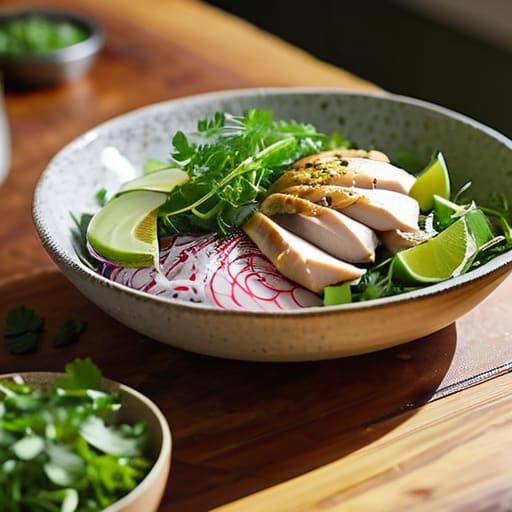
Protein is the heavy hitter of any meal, but it’s also the most expensive thing in your fridge. I’ve learned the hard way that letting a perfectly good chicken breast or a slab of steak go dry and unappealing in a Tupperware container is a massive waste of both money and mental energy. Instead of viewing yesterday’s roast as a “leftover,” I treat it as a pre-prepped component. If you have leftover chicken, don’t just reheat it in the microwave until it has the texture of cardboard; shred it while it’s still slightly warm and toss it into a quick lime-cilantro salad or a hearty grain bowl.
The secret to successful repurposing cooked proteins lies in changing the texture and the flavor profile entirely. If you’re working with beef, slice it thin against the grain for a quick stir-fry, or crumble it into a breakfast taco to save twenty minutes of morning prep. This isn’t just about eating; it’s a kitchen hack for extra food that keeps your workflow seamless. By shifting your perspective from “eating leftovers” to “assembling new meals,” you eliminate that decision fatigue that usually hits right around 6:00 PM.
Storing Leftovers Safely to Protect Your Time
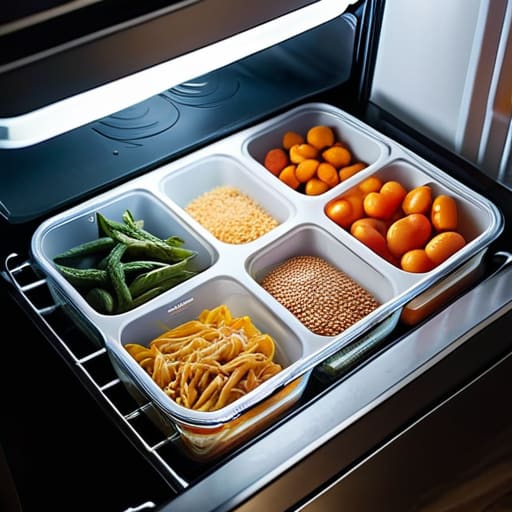
If you’ve ever pulled a container out of the fridge only to find a science experiment instead of dinner, you know that bad storage is the ultimate productivity killer. It’s not just about food safety; it’s about protecting the time you already spent cooking. To make meal prep with leftovers actually work, you need to stop relying on those flimsy, mismatched plastic tubs that leak and trap odors. I’ve learned the hard way that investing in a set of uniform, airtight glass containers is the single best kitchen hack for extra food longevity. They stack perfectly in the fridge—keeping my space clutter-free—and they don’t hold onto the scent of last night’s garlic pasta.
The real secret, though, is the timing. Don’t let food sit on the counter while you clean up; get it into the fridge within two hours. I treat my fridge like a high-efficiency warehouse: everything has a designated spot and a clear label. If you aren’t sure when you cooked it, write it down on a piece of masking tape. Storing leftovers safely isn’t just about avoiding a stomach ache; it’s about ensuring that when you’re exhausted on a Tuesday night, your “quick meal” is actually edible.
My Five-Step System for Turning Scraps into Real Meals
- Build a “Base Component” mindset. Instead of seeing a pile of leftover roasted chicken as a failed meal, see it as a pre-prepped protein. It’s just one step closer to a quick salad, a wrap, or a stir-fry, saving you twenty minutes of prep work later.
- Keep a “Rescue Pantry” stocked. To make leftovers work, you need high-impact, low-effort ingredients on hand—think good quality pesto, jarred salsa, or a solid balsamic glaze. These are the tools that turn bland scraps into something that actually tastes intentional.
- Use the “One-New-Flavor” rule. To avoid the boredom of eating the same thing twice, change the flavor profile entirely. If last night was Italian-style pasta, today’s leftover meat should go into a taco or a spicy grain bowl. It tricks your brain into thinking it’s a brand-new meal.
- Invest in uniform glass containers. This isn’t about being precious; it’s about visibility and efficiency. If I can see exactly what’s in the fridge without digging through mismatched plastic, I make better decisions and waste less.
- Don’t be afraid to freeze the “extras.” If you know you won’t get to that half-portion of rice or beef within two days, get it into a freezer bag immediately. It’s much better to have a frozen component for a future meal than to watch it go bad and feel guilty about the wasted money.
The Bottom Line for Your Kitchen Workflow
Stop viewing leftovers as “old food” and start seeing them as pre-prepped ingredients that save you 30 minutes of prep time tonight.
Use your storage containers as a visual inventory; if you can’t see it, you’ll forget it, and you’ll end up wasting both money and effort.
Build a simple “repurpose rotation” so you aren’t staring at the fridge at 7:00 PM wondering what to do with that extra chicken.
The Efficiency of the Second Meal
“Leftovers shouldn’t feel like a chore or a compromise; they are the pre-built components of your next meal. When you view yesterday’s dinner as a strategic head start rather than a way to avoid cooking, you stop managing food waste and start reclaiming your evening.”
Liam Anders Chen
Making It Work for You
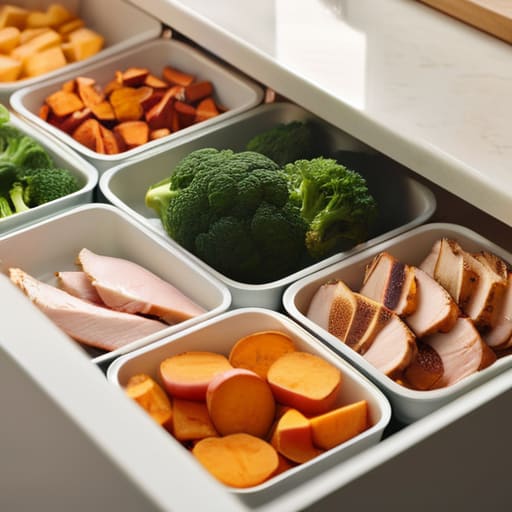
At the end of the day, managing your leftovers isn’t about being a gourmet chef or following complex culinary rules; it’s about building a system that works for your schedule. We’ve covered how to strategically repurpose your proteins so they don’t feel like “day-old” food, and more importantly, how to store them properly so you aren’t throwing money—and time—straight into the trash. When you approach your fridge with a bit of engineering logic, you stop seeing random scraps and start seeing modular components for your next meal. It turns a chaotic Tuesday night into a streamlined, low-stress process.
I know how it feels to stare into a cluttered fridge and feel that wave of decision fatigue hit. But I promise you, once you start treating your leftovers as assets rather than chores, the mental load starts to lift. My goal isn’t to turn your kitchen into a high-maintenance project, but to help you reclaim your evening. Stop letting good ingredients go to waste and stop letting the “what’s for dinner” question drain your energy. Master these small, repeatable habits, and you’ll find you have much more room to focus on the things that actually matter.
Frequently Asked Questions
How long can I actually keep these leftovers in the fridge before they become a safety hazard?
Look, I don’t have time for food poisoning, and neither do you. As a rule of thumb, aim for the three-to-four-day window. Most cooked proteins and cooked veggies are fine for about three or four days if they’re in airtight containers. Beyond that, the risk of bacteria growth climbs, and the texture usually goes to hell. If you know you won’t hit it by Thursday, just freeze it. Don’t gamble with your health.
Is there a way to reheat my food so it doesn't end up tasting like rubber or drying out?
The quickest way to ruin a good meal is the microwave’s “death cycle”—blasting it on high until it turns into rubber. If you’re using a microwave, do it in 30-second increments and always cover the plate with a damp paper towel; that steam is your best friend for moisture. For anything more substantial, like steak or roasted veggies, use a skillet on low heat with a splash of water or broth. It takes two minutes longer, but it actually tastes like real food.
What are some quick flavor hacks to make last night's meal feel like a completely different dish?
The secret is changing the texture and the acid profile. If you have leftover roasted chicken, don’t just reheat it; shred it and toss it in a pan with some lime juice and chili flakes for quick tacos. If it’s pasta, hit it with a heavy squeeze of lemon and some fresh herbs to cut through the heaviness. A quick hit of acidity or a crunch from toasted seeds completely resets the palate.