I used to think that learning how to stock a healthy kitchen meant buying every superfood trend currently plastered across my Instagram feed—expensive acai powders, artisanal oils, and enough organic kale to fill a small warehouse. I spent more time managing my grocery budget and cleaning out expired “wellness” products than actually eating. It was a massive, expensive waste of mental energy. We’ve been sold this idea that health requires a complex, high-maintenance inventory, but that’s just bad systems engineering.
I’m not here to sell you on a lifestyle overhaul or a pantry full of overpriced gimmicks. Instead, I’m going to show you how to build a functional, high-output kitchen using a streamlined set of versatile staples. My goal is to strip away the decision fatigue so you can stop staring blankly at your fridge after a long workday. I’ll share the exact, no-nonsense framework I use to keep my own kitchen stocked with nutritious essentials that actually make sense for a busy life. Let’s get organized and get back to living.
Table of Contents
- Mastering Your Nutritious Grocery List Essentials
- Building a High Functioning Foundation of Whole Food Pantry Staples
- 5 Systems to Keep Your Kitchen Running Without the Chaos
- The Bottom Line: Systems Over Shopping Sprees
- The Philosophy of the Functional Pantry
- The System is Set
- Frequently Asked Questions
Mastering Your Nutritious Grocery List Essentials
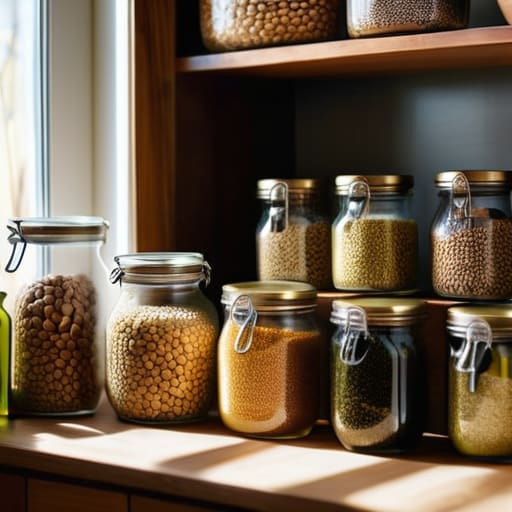
I’ve learned the hard way that a grocery list shouldn’t look like a chemistry textbook. If you walk into a store with a massive, complex list, you’re going to end up overwhelmed and grabbing whatever is easiest. Instead, I focus on building a foundation of whole food pantry staples—think quinoa, lentils, canned chickpeas, and olive oil. These are your non-negotiables. They have a long shelf life, they’re incredibly versatile, and they form the structural backbone of almost every meal I make. When your pantry is stocked with these basics, you aren’t just buying food; you’re buying insurance against a bad Tuesday night.
The real trick to staying on track is prioritizing ingredients that facilitate quick transitions from bag to plate. I always aim for a balance of proteins, complex carbs, and fats that make meal prepping with healthy ingredients feel like a streamlined process rather than a second job. I also keep a rotation of frozen vegetables on hand; they’re just as nutritious as fresh but won’t rot in your crisper drawer if your schedule shifts. Keep it simple, keep it functional, and stop treating every grocery run like a high-stakes mission.
Building a High Functioning Foundation of Whole Food Pantry Staples
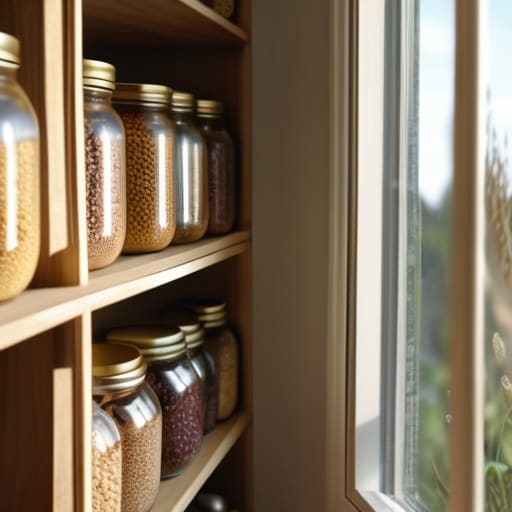
Once you’ve nailed down your weekly list, it’s time to look at the architecture of your kitchen. I like to think of my pantry as a system; if the foundation is solid, the rest of the week runs on autopilot. Instead of buying niche ingredients that sit in the back of the cupboard for months, focus on whole food pantry staples that offer maximum versatility. I’m talking about things like quinoa, brown rice, lentils, and canned chickpeas. These aren’t just fillers; they are the building blocks that make meal prepping with healthy ingredients feel like a simple task rather than a weekend-long chore.
The goal here is to minimize decision fatigue. When you have a reliable stock of complex carbohydrates and plant-based proteins, you don’t have to panic-order takeout at 7:00 PM on a Tuesday. I also make it a point to keep a rotation of healthy fats—think extra virgin olive oil and raw nuts—to add satiety to any meal. If you keep your supplies consistent, you aren’t just storing food; you’re building a reliable fallback system that protects your time and your health.
5 Systems to Keep Your Kitchen Running Without the Chaos
- Stop buying for the person you wish you were. We’ve all been there—buying a bag of quinoa and a bunch of kale with the best intentions, only to watch them wilt in the crisper drawer. Buy only what you actually enjoy eating and know how to cook. If you don’t like kale, don’t let it take up expensive real estate in your fridge.
- Implement a “First In, First Out” (FIFO) rotation. It sounds like something out of a warehouse manual, but it works. When you get home from the store, move the older produce and dairy to the front and tuck the new stuff in the back. It’s a small, five-minute habit that prevents food waste and saves you money.
- Standardize your “emergency” meals. Keep a mental (or written) list of three meals you can whip up in under 15 minutes using only your pantry staples and frozen goods. Having a go-to system for those nights when work runs late prevents the “decision fatigue” that usually leads to expensive, unhealthy takeout.
- Use clear, modular storage. I can’t stand digging through half-open, mismatched bags of lentils or oats. Invest in a few uniform glass or BPA-free containers. Not only does it look cleaner, but it allows you to see exactly what you have at a glance, so you aren’t double-buying items you already own.
- Batch your prep, don’t obsess over it. You don’t need to spend your entire Sunday meal-prepping individual Tupperware containers like a robot. Instead, just prep the components: wash and chop your veggies, cook a large batch of grains, or roast a tray of proteins. It’s much more flexible and keeps your kitchen from feeling like a factory.
The Bottom Line: Systems Over Shopping Sprees
Focus on versatility; a handful of high-quality, multi-use ingredients beats a pantry full of single-use specialty items that just collect dust.
Automate your basics so you aren’t making mental decisions every Tuesday night; if you have the foundation, the meal practically builds itself.
Stop chasing perfection and start building a repeatable system that actually fits your schedule, not some idealized version of a chef you’ll never be.
The Philosophy of the Functional Pantry
“A healthy kitchen isn’t about having every superfood on the market; it’s about having the right systems in place so that when you’re tired and hungry, the easiest choice is also the best one.”
Liam Anders Chen
The System is Set
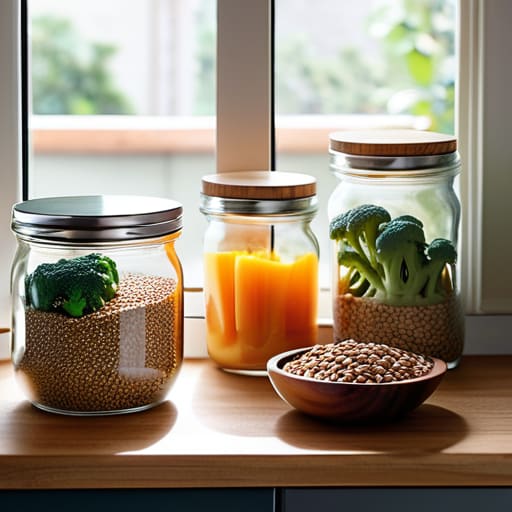
At the end of the day, stocking a healthy kitchen isn’t about having a perfectly curated, Instagram-ready pantry full of exotic superfoods. It’s about building a reliable system of versatile staples, lean proteins, and quick-cooking grains that work for you, not against you. By focusing on these foundational essentials, you’ve effectively removed the friction from your daily decision-making. You no longer have to stare blankly into an empty fridge at 7:00 PM, wondering what to eat; you have a predictable, high-functioning setup that makes healthy choices the path of least resistance.
My advice is to start small and treat your kitchen like any other system you might optimize. You don’t need to overhaul everything overnight. Just get your core essentials in place, find a rhythm that works with your schedule, and let the momentum carry you. Remember, the goal here isn’t to become a master chef or a nutrition expert; the goal is to reclaim your time and mental energy. Once your kitchen is working for you, you can stop managing your food and start actually enjoying your life. Now, go get those staples in the cupboard and get back to living.
Frequently Asked Questions
How do I avoid wasting money on these staples if I'm not sure I'll actually use them?
Don’t buy in bulk just because the unit price looks better. That’s a trap. If you aren’t sure you’ll use a specific grain or spice, buy the smallest container available—even if it costs a few cents more. I’d rather pay a slight premium for a small bag of quinoa than watch a massive, expensive bag collect dust and eventually go stale in the back of my pantry. Start small, test the waters, then scale up.
Is it better to buy everything in bulk at once, or should I phase these items in slowly?
Don’t try to do it all in one massive haul. That’s how you end up with a kitchen full of expensive, unopened bags of quinoa and no actual plan. It’s inefficient and creates unnecessary clutter. Instead, phase it in. Buy your heavy staples first, then add a few new items each week. It keeps your budget predictable and lets you test how much you actually use before you commit to a bulk supply.
How do I keep my pantry organized so I don't end up with a "hidden" mountain of expired goods?
The “hidden mountain” of expired goods is a symptom of a broken system, not a lack of willpower. To fix this, I use the “First In, First Out” (FIFO) method—it’s basic systems engineering. When you bring new groceries home, move the older items to the front and tuck the new stuff behind them. Also, ditch the deep, dark cabinets. If you can’t see it, you won’t use it. Keep everything visible, and the waste disappears.