I used to think that learning how to meal prep meant spending my entire Sunday afternoon hunched over a kitchen island, surrounded by twenty identical plastic containers and enough Tupperware to supply a small army. I’ve seen the influencers: the ones with the color-coordinated salads and the three-hour “prep hauls” that look more like a professional photoshoot than actual cooking. It’s exhausting, it’s expensive, and quite frankly, it’s a waste of a perfectly good weekend. If your current strategy for staying healthy involves fighting through a mountain of dishes just to eat lukewarm broccoli on a Tuesday, you’re doing it wrong.
I’m not here to sell you on a lifestyle of aesthetic glass jars or complex recipes that require a degree in chemistry. My approach is much simpler: we are going to build a functional system that works with your schedule, not against it. I’ll show you how to strip away the unnecessary fluff so you can reclaim your evenings and stop treating your kitchen like a second job. This is about maximum efficiency with minimum friction, ensuring you actually have time to live your life instead of just managing your leftovers.
Table of Contents
Mastering Weekly Meal Planning Tips for Total Freedom
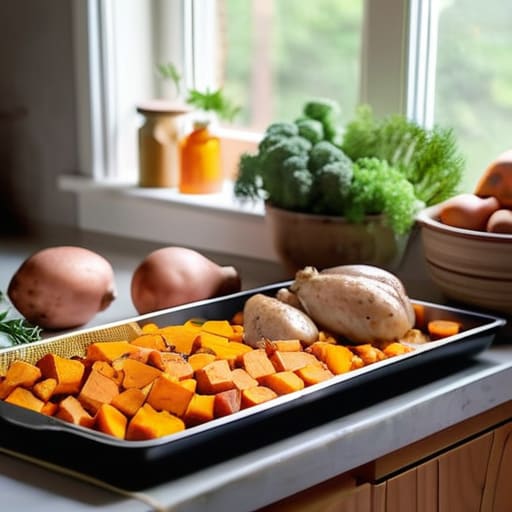
The secret to not feeling like a slave to your kitchen is to stop treating every meal as a brand-new engineering problem. Instead, I treat my week like a system. I spend about twenty minutes on Sunday morning mapping out my meals, focusing on batch cooking techniques that allow me to cook once and eat three times. For example, if I’m roasting a tray of chicken breasts or a massive pile of sweet potatoes, I’m not just making dinner; I’m building the foundation for my lunches on Tuesday and Wednesday.
You don’t need a gourmet chef’s pantry to make this work, either. I’ve found that the most effective weekly meal planning tips center on versatility. Pick two proteins, three vegetables, and two grains, then rotate your seasonings. This keeps things from getting boring without requiring a massive grocery haul. To keep the chaos at bay, invest in a few high-quality meal prep containers for storage that actually seal tight. There is nothing more frustrating than opening a container only to find a soggy, disorganized mess. Get the right tools, build your system, and get your evenings back.
Time Saving Kitchen Hacks to Reclaim Your Evenings
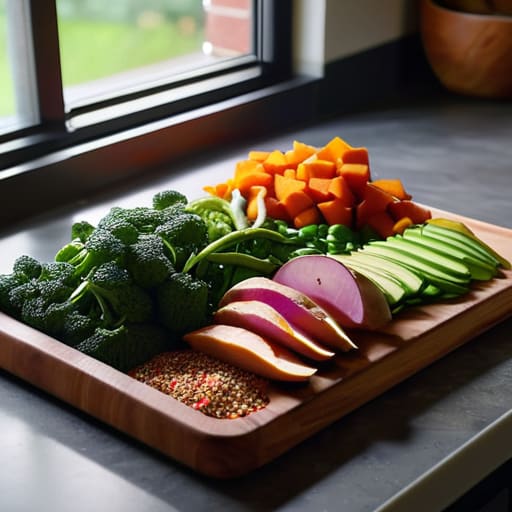
The goal isn’t to turn your kitchen into a high-intensity production line; it’s about working smarter so you can actually sit down and relax once the sun goes down. I’ve found that the biggest time-sink isn’t the cooking itself, but the constant, repetitive micro-tasks. Start by implementing a few batch cooking techniques that actually scale. Instead of cooking five different recipes, roast two massive trays of seasonal vegetables and a large batch of a versatile protein like chicken or chickpeas. When you have these foundational elements ready, assembling a fresh bowl takes five minutes rather than forty.
Efficiency also comes down to your gear. I’m a firm believer in investing in high-quality meal prep containers for storage that actually seal properly and stack neatly in the fridge. There is nothing more frustrating than digging through a cluttered refrigerator only to find a leaking lid or a mismatched set of bowls. If your storage system is organized and modular, you remove the mental friction of “what’s for dinner” and can transition from work mode to meal mode without the chaos.
My Five Non-Negotiable Rules for Low-Friction Meal Prep
- Stop trying to cook five new recipes every Sunday. You’ll burn out by Tuesday. Pick one protein, one grain, and two veggies, and just master the art of repeating them in different ways. Consistency beats variety when you’re busy.
- Invest in high-quality, uniform containers. I’m a systems guy; if my Tupperware doesn’t stack perfectly in the fridge, it’s just visual noise that stresses me out. Plus, it makes grabbing lunch a mindless, three-second task.
- Use the “Component Method” instead of full meals. Don’t spend three hours assembling individual bowls. Instead, roast a massive tray of chicken and a mountain of sweet potatoes. Keeping the components separate keeps them fresh and lets you pivot flavors throughout the week.
- Clean as you go, or don’t bother starting. There is nothing that kills my momentum faster than finishing a prep session only to face a mountain of crusty pans. If you aren’t washing the cutting board while the onions sauté, you’re just creating more work for your future self.
- Always keep a “Emergency Buffer” in the pantry. Even the best systems fail occasionally. Keep a stash of high-quality canned beans, quick-cook grains, or frozen veggies so that when life gets chaotic, you aren’t forced into a $30 delivery fee.
The Bottom Line: Less Management, More Living
Stop aiming for perfection; aim for a system that actually works for your schedule, even if it’s just prepping three ingredients instead of ten full meals.
View meal prep as a way to buy back your mental energy—every minute you spend organizing on Sunday is a minute you aren’t wasting on a Tuesday night.
Keep your tools sharp and your workspace clear; a chaotic kitchen is the fastest way to kill the momentum of a good system.
## The Philosophy of the Prep
“Meal prepping isn’t about spending your entire Sunday in a kitchen apron; it’s about building a system that protects your Tuesday night, so you can actually sit down and breathe instead of staring blankly at a takeout menu.”
Liam Anders Chen
Reclaiming Your Time
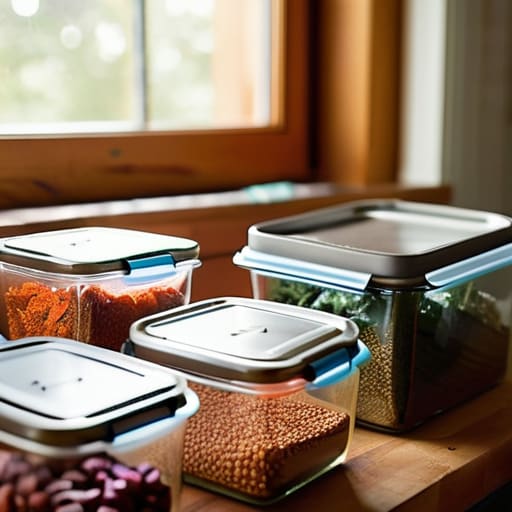
At the end of the day, meal prepping isn’t about becoming a gourmet chef or spending your entire Sunday hovering over a steaming pot. It’s about the systems we discussed: mapping out your week to avoid decision fatigue, utilizing those kitchen hacks to shave off precious minutes, and keeping your pantry organized enough that you aren’t hunting for spices at 7:00 PM. When you treat your kitchen like a well-oiled machine rather than a source of daily stress, you stop reacting to hunger and start taking control of your schedule. It’s about building a repeatable framework that works for your specific life, not trying to follow some unrealistic influencer’s aesthetic pantry.
I know it feels like one more thing on an already overflowing to-do list, but I promise you, the initial friction is worth the payoff. The goal here isn’t perfection; it’s clarity. Every time you prep a batch of grains or chop a handful of vegetables ahead of time, you are essentially buying back minutes of your future self’s life. Don’t let the complexity of “healthy eating” paralyze you. Just pick one small system, implement it this week, and watch how much mental bandwidth you suddenly have left over. Stop managing your hunger and start actually living your life.
Frequently Asked Questions
How do I keep prepped food from getting soggy or tasting like "fridge leftovers" by Thursday?
The “fridge taste” is usually a failure of containment, not the food itself. Stop using those cheap, flimsy plastic containers; they leak odors and let air in. Invest in glass containers with airtight silicone seals—it’s a small systems upgrade that pays off. Also, never pack hot food. Let everything cool completely on a wire rack before sealing. If you pack steam, you’re just prepping soggy mush. Keep your sauces separate, and you’ll actually enjoy Thursday’s lunch.
I don't have much counter space; how can I meal prep without turning my kitchen into a disaster zone?
Small kitchens are my biggest hurdle, too. When counter space is a luxury, stop trying to prep everything at once. I use the “one-in, one-out” rule: clear your workspace entirely before bringing out the next cutting board. Work in stages—prep all your veggies, wash the tools, then clear the deck before moving to proteins. If it’s still too tight, prep in batches during your downtime rather than one massive, chaotic marathon.
Is it actually worth the upfront time investment if I only end up eating the same three meals all week?
Look, if you’re asking if the variety makes it “worth it,” you’re looking at the wrong metric. I don’t prep for culinary excitement; I prep for decision fatigue. Even if you rotate through the same three meals, you’ve eliminated the 6:00 PM panic and the wasted money on mediocre takeout. That mental bandwidth is worth way more than a diverse menu. Consistency isn’t boring—it’s a system that buys you your evenings back.