I used to think that eating well meant spending two hours hovering over a stove, surrounded by a mountain of unwashed pans and a recipe book that felt more like a textbook. Between managing operations at work and trying to maintain some semblance of a personal life, I quickly realized that complex cooking is just another form of unnecessary friction. If you’re feeling overwhelmed by the sheer mental load of deciding what to eat every single night, you aren’t alone. I’ve spent a lot of time engineering my own kitchen routine to find the most efficient easy meals for beginners that actually taste good without requiring a culinary degree.
In this post, I’m stripping away the fluff and giving you five reliable, high-impact options that prioritize your time and sanity. I’m not talking about frozen dinners or sad, uninspired snacks; I’m talking about real food that follows a logical process. These five staples are designed to be repeatable, scalable, and, most importantly, low-stress. By the end of this list, you’ll have a streamlined toolkit to help you stop fighting the kitchen and start reclaiming your evenings.
Table of Contents
The One-Pan Roast
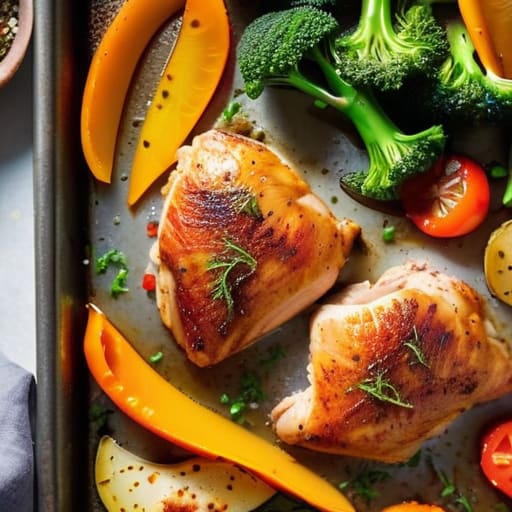
When I first moved into my city apartment, my kitchen was tiny and my energy for cooking after work was non-existent. I quickly learned that the secret to eating well without the mess is the sheet pan method. You just toss some chopped chicken thighs, bell peppers, and broccoli in olive oil and basic seasonings, then spread them out on a single tray. It’s a system that requires almost zero active supervision once it’s in the oven.
The 10-Minute Grain Bowl
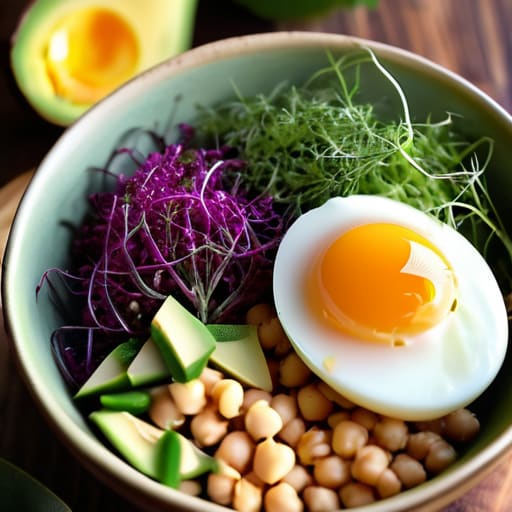
I view food through the lens of modularity, much like the systems I manage at work. A grain bowl is essentially a plug-and-play meal that relies on a few high-quality components rather than a complex recipe. Start with a base of pre-cooked quinoa or brown rice—the frozen or pouch versions are perfectly fine, so don’t let “purity” get in the way of efficiency. Add a protein like canned chickpeas or a soft-boiled egg, and you have a solid foundation.
Elevated Pesto Pasta
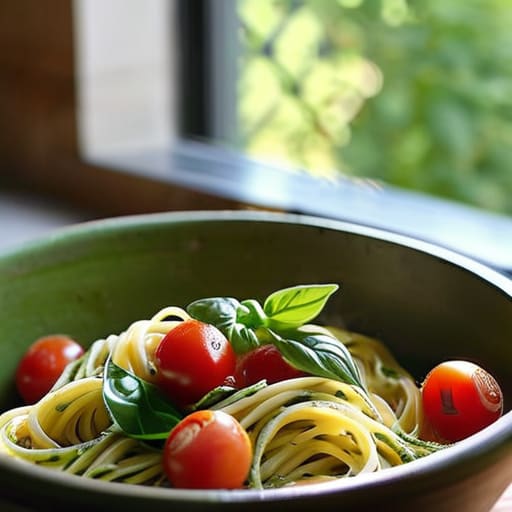
There are days when my brain is too fried to even look at a recipe, and that’s when I lean on the “emergency pasta” system. Don’t bother making sauce from scratch; just grab a high-quality, refrigerated pesto. While your pasta boils, grab a handful of cherry tomatoes and some baby spinach. Throw them into the colander with the hot noodles for just thirty seconds to wilt the greens—it’s a tiny hack that adds freshness without extra pots.
The Loaded Quesadilla
I used to think quesadillas were just “kid food,” but once I started treating them as a structural engineering project, they became my go-to weekday dinner. The goal is a perfect ratio of crispy exterior to melted interior. Use a heavy skillet to ensure the tortilla gets that golden-brown crunch that makes the meal feel substantial. Don’t just use cheese; add some canned black beans or leftover shredded chicken to increase the nutritional density.
Slow-Cooked Savory Stew
If you want to reclaim your evening, you need to start thinking about asynchronous cooking. A slow cooker or a heavy Dutch oven allows you to do the work in the morning so the “result” is ready when you are. I usually start with a base of onions, carrots, and celery, add some beef or lentils, and let the heat do the heavy lifting while I’m at the office. It’s about setting a process in motion and letting it run.
The Bottom Line
Stop aiming for culinary perfection; the goal is fuel that doesn’t require a mountain of dishes or a PhD in cooking.
Build your kitchen around repeatable systems, not complex recipes, so you can cook on autopilot even after a long workday.
Focus on high-quality, simple ingredients that do the heavy lifting for you, reducing both prep time and mental fatigue.
The Philosophy of the Simple Plate
“Cooking shouldn’t feel like another project on your to-do list. If a recipe requires more mental energy than the meal provides actual nourishment, it’s a failed system. I don’t cook to impress; I cook to fuel my life without letting the kitchen steal my evening.”
Liam Anders Chen
Reclaim Your Evenings
At the end of the day, cooking shouldn’t feel like a second job or a complex engineering project. Whether you’re leaning on a one-pan roast, a quick pasta, or a simple protein-and-veg combo, the goal is the same: minimizing friction. You don’t need a pantry full of exotic spices or a professional-grade knife set to get a decent meal on the table. By focusing on these five foundational methods, you’re stripping away the decision fatigue that usually kills your motivation after a long workday. It’s about building a repeatable system that works for your schedule, not against it.
Don’t let the fear of a messy kitchen or a slightly burnt edge stop you from starting. Perfection is the enemy of progress, and in my experience, a “good enough” meal that you actually made yourself is infinitely better than a takeout order that leaves you feeling sluggish. Start small, keep your tools organized, and remember that every successful meal is a win for your mental clarity. You aren’t just learning to cook; you are reclaiming your time and your autonomy. Now, put the phone down, grab your ingredients, and just get started.
Frequently Asked Questions
I don't have much time on weeknights; can I prep these meals in advance or are they strictly "cook-as-you-go"?
Look, I get it. Weeknights are usually a race against the clock. Most of these are designed to be “cook-as-you-go” to keep things fresh, but you can absolutely optimize. I usually spend thirty minutes on Sunday prepping my proteins or chopping the heavy veg. If you do that, your actual kitchen time drops to almost zero. Don’t aim for perfection; just aim to remove the friction between you and a hot meal.
Is there a way to keep the grocery list minimal so I'm not buying a dozen different spices for just one meal?
The secret is building a “flavor foundation” rather than chasing individual recipes. I stopped buying one-off spices months ago. Instead, I keep a few versatile heavy hitters: kosher salt, black pepper, garlic powder, smoked paprika, and maybe an Italian seasoning blend. If you master those, you can pivot from roasted chicken to a quick pasta in minutes without a cluttered pantry. Buy for the base, not the exception. Keep it lean.
What's the best way to handle leftovers without them becoming a soggy mess by lunch the next day?
The secret is separation. Never store your sauce and your starch in the same container. If you’re meal prepping a pasta dish or a grain bowl, keep the dressing or sauce in a tiny, separate jar. When lunch rolls around, combine them right before eating. Also, let your food cool completely on the counter before sealing the lid; trapping steam in a warm container is exactly how you end up with a soggy, sad mess.