I used to think that cooking meant following a complex blueprint of exact measurements and buying twenty different jars of “artisanal” spice blends just to make a simple chicken breast edible. I was wrong. I spent way too much time in my early twenties staring at recipe blogs that treated how to season food like some kind of high-level chemistry experiment, complete with unnecessary fluff and expensive, single-use ingredients. It’s a massive waste of mental energy and, frankly, a waste of your grocery budget. You don’t need a pantry full of dust to make something taste good; you just need to understand the fundamental mechanics of flavor.
I’m not here to sell you on a lifestyle or a complicated culinary ritual. My goal is to strip away the noise and give you a functional system that actually works when you’re tired after a long day at the office. I’m going to show you how to build a reliable, repeatable framework for seasoning so you can stop guessing and start eating well. We’re going to focus on the essential tools and techniques that turn mediocre ingredients into great meals, without the unnecessary complexity.
Table of Contents
Mastering the Essentials Balancing Salt Acid and Fat
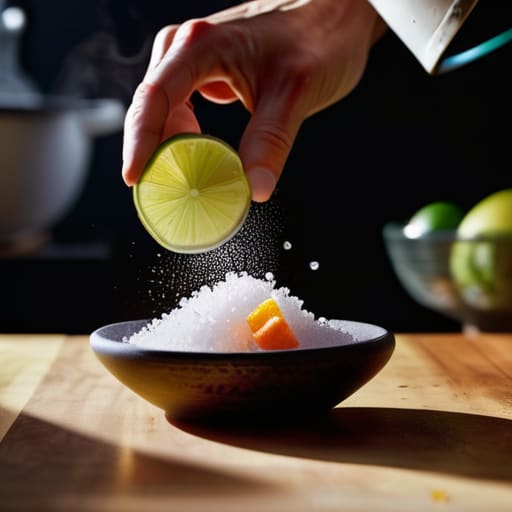
Think of your recipe like a piece of systems engineering: if one component is out of alignment, the whole structure fails. When I’m in the kitchen, I don’t just throw salt at a pan and hope for the best. I look for the trifecta. Balancing salt, acid, and fat is the secret to moving from “edible” to “incredible.” Salt acts as the foundation, pulling flavors forward; fat provides the mouthfeel and carries those flavors across your palate; and acid—think a squeeze of lime or a splash of vinegar—is the bright spark that cuts through the heaviness. If a dish feels “flat” or heavy, you don’t necessarily need more salt; you likely need a hit of acid to wake it up.
It’s about finding that equilibrium. If you’ve over-salted a sauce, don’t panic—adding a bit more fat or a splash of acid can often recalibrate the profile. I’ve learned through plenty of trial and error that flavor is a dynamic system, not a static list of ingredients. Once you master this balance, you’ll stop relying so heavily on rigid recipes and start trusting your own palate.
The Difference Between Seasoning and Marinating Made Simple
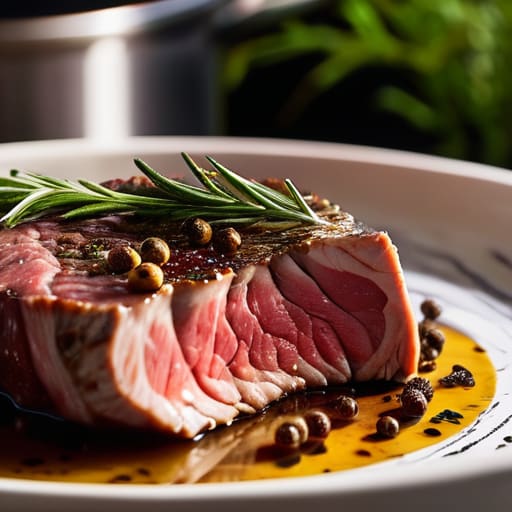
I see people get these two mixed up all the time, and it usually leads to a lot of wasted time and mediocre results. Think of it this way: marinating is about preparation, while seasoning is about execution. When you’re marinating, you’re essentially using a liquid soak to penetrate the surface of the food, often to tenderize it or infuse deep-seated moisture. It’s a slow-burn process that happens before the heat ever touches the pan.
Seasoning, on the other hand, is the immediate act of enhancing what is already there. If you’re wondering how to season meat before cooking, you’re likely looking at the final layer of flavor that hits your palate. While a marinade sets the foundation, seasoning is what brings the dish to life in the moment. If you rely solely on a marinade and forget to season the surface during the cook, you’ll end up with something that tastes “okay” but lacks that professional punch. Understanding the difference between seasoning and marinating is the quickest way to stop guessing and start actually controlling your flavors.
Five Rules to Stop Guessing and Start Tasting
- Season in layers, not just at the end. If you wait until the food is on the plate to add salt, you’re just coating the surface. Sprinkle a little bit during the sauté, a little more while it’s simmering, and a final touch at the finish. It builds depth instead of just a salty punch to the tongue.
- Use your taste buds, not a measuring spoon. Recipes are just starting points, not laws. Taste your food at every major stage of the process. If it tastes “flat,” it usually needs salt or acid, not more heat.
- Keep your spices close and your pantry organized. There is nothing more frustrating than being mid-sear and realizing your smoked paprika is buried in the back of a cluttered cabinet. I keep my most-used seasonings in a small, accessible kit right next to the stove so I don’t break my flow.
- Don’t fear the acid. When a dish feels heavy or “one-note,” your instinct might be to add more salt, but that’s often a mistake. A quick squeeze of lemon or a dash of vinegar cuts through the fat and wakes up the entire flavor profile. It’s the quickest way to fix a dull meal.
- Salt early for proteins. If you’re cooking a steak or chicken breasts, salt them well before they hit the pan. This allows the salt to penetrate the fibers rather than just sitting on the outside, ensuring the flavor is actually part of the meat, not just a crust.
The Bottom Line: Keep It Simple
Stop treating seasoning like a science experiment; trust your palate, taste as you go, and remember that salt is your best friend for unlocking flavor, not just making things salty.
Focus on the big three—salt, acid, and fat—to fix a dish that feels “off” instead of just dumping more spices into the pan.
Treat seasoning as a continuous process throughout cooking, rather than a single step at the end, to ensure flavor actually penetrates the food.
The Core Philosophy
“Seasoning isn’t about adding more layers of complexity; it’s about using the right tools—salt, acid, heat—to strip away the blandness and let the actual ingredients do the work.”
Liam Anders Chen
Stop Overthinking and Start Eating
At the end of the day, seasoning isn’t about following a rigid blueprint or memorizing a hundred different spice blends. It’s about understanding the mechanics of flavor: using salt to pull out what’s already there, acid to brighten the heavy notes, and fat to carry those flavors across your palate. If you can master that fundamental balance, you stop being a slave to recipes and start becoming a cook. Don’t let the fear of “doing it wrong” keep you from experimenting. Just remember to taste as you go and adjust the dials until the dish feels right to you. It’s a simple system, but once it clicks, it changes everything.
I know how easy it is to get bogged down in the complexity of a busy week, feeling like cooking is just another chore on an endless to-do list. But I want you to see it differently. Seasoning is one of those small, repeatable systems that can actually turn a rushed meal into a moment of genuine clarity. When you stop guessing and start trusting your own senses, you reclaim that time and energy. My advice? Trust your gut. Grab your spices, hit the pan, and don’t let a lack of seasoning get in the way of a good meal. You’ve got this.
Frequently Asked Questions
How do I know if I've actually added enough salt without making the dish inedible?
The “tasting test” is your only real metric. Don’t rely on measurements; rely on your palate. Take a small spoonful, let it sit on your tongue for a second, and then swallow. If the flavors feel “flat” or muted, you need salt. If the flavor pops and feels complete, stop. If you’re worried about overdoing it, add salt in tiny increments—think of it like fine-tuning a machine. Precision beats volume every time.
Can I use pre-mixed spice blends, or is it always better to build flavors from scratch?
Look, I’m all about efficiency, so let’s be real: pre-mixed blends are a massive time-saver when you’re staring down a busy Tuesday. They work perfectly fine for a quick weeknight stir-fry. But if you want to actually control the outcome—and avoid that weird, dusty aftertaste some store-bought mixes have—building your own is the way to go. It takes an extra minute, but the precision and flavor are incomparable. Use blends for speed; build from scratch for quality.
Is there a specific order I should follow when adding seasonings so I don't ruin the texture of the food?
Think of it like a workflow: you wouldn’t install software before the hardware is ready. Start with salt. It penetrates deep and works on a molecular level to build flavor from the inside out. If you’re searing meat, salt it early. Save your delicate dried herbs or finishing oils for the final minutes. If you toss fragile herbs into a hot pan too early, they turn to bitter ash. Build the foundation first, then layer the aromatics.