I used to think that learning how to meal plan meant spending my entire Sunday afternoon hunched over a laptop, scrolling through Pinterest for aesthetic recipes that required twenty different spices I’d never use again. It was a massive waste of time—the kind of performative productivity that looks great on Instagram but leaves you feeling more exhausted than when you started. I realized that most “expert” advice is just a way to turn a simple necessity into a complex, expensive hobby. You don’t need a color-coded spreadsheet or a subscription to a boutique meal kit service to feed yourself; you just need a system that actually works when you’re tired.
I’m not here to sell you on a lifestyle overhaul or a gourmet culinary journey. My goal is to show you a stripped-back, functional approach to how to meal plan that respects your time and your sanity. I’ll share the exact, repeatable systems I use to manage my own kitchen without the clutter or the chaos. We’re going to focus on maximum efficiency and minimum friction, so you can stop worrying about “what’s for dinner” and get back to actually living your life.
Table of Contents
Mastering Meal Prep for Beginners Without the Chaos
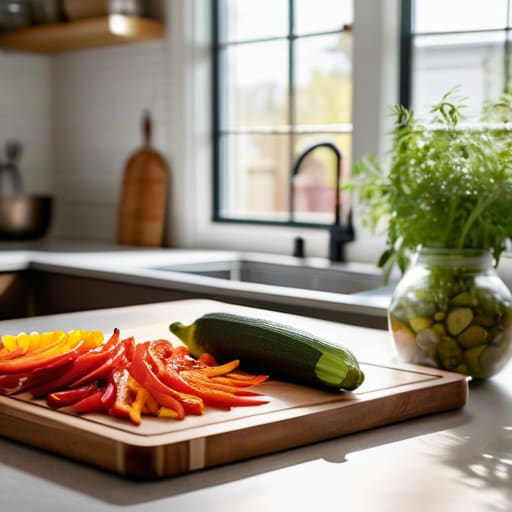
The biggest mistake I see people make is trying to turn their kitchen into a professional test kitchen every Sunday. You don’t need a five-course spread; you need a system that prevents the 6:00 PM “what’s for dinner?” panic. For me, the secret lies in batch cooking strategies that focus on components rather than finished meals. Instead of cooking ten identical containers of chicken and broccoli, I roast two trays of seasonal vegetables and prep a large batch of a versatile protein. This gives you the flexibility to pivot—one night it’s a grain bowl, the next it’s a quick wrap.
To keep this from spiraling into chaos, you have to treat your kitchen like an assembly line. Start with rigorous grocery list organization to ensure you aren’t making mid-week runs for a single missing ingredient. If you can’t find it on the list, it doesn’t go in the cart. By streamlining your shopping and focusing on modular ingredients, you reduce the mental load. You aren’t just preparing food; you’re building a buffer against the unpredictable chaos of your work week.
Smart Batch Cooking Strategies to Reclaim Your Evenings
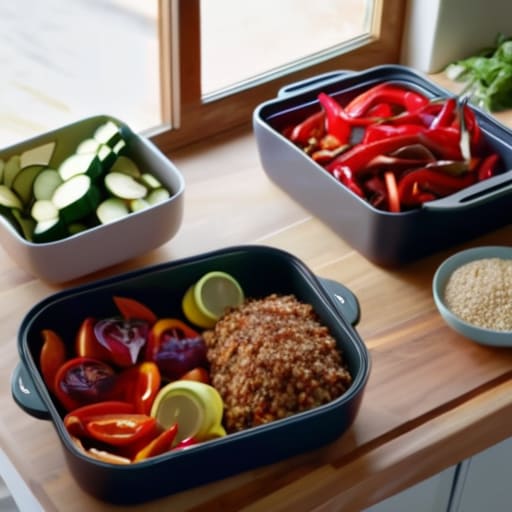
The biggest mistake I see people make is trying to cook seven different recipes on a Sunday. That isn’t meal planning; that’s a second job. Instead, I rely on batch cooking strategies that focus on components rather than finished dishes. Think of it as building a modular system. I’ll roast two trays of seasoned vegetables, boil a large pot of quinoa, and grill a few pounds of chicken all at once. By treating these as individual building blocks, you can assemble a Mediterranean bowl on Monday and a spicy grain salad on Tuesday without ever feeling like you’re eating leftovers.
This approach is also one of the most effective ways to handle budget friendly meal planning. When you buy ingredients in bulk for these components, your cost per meal drops significantly. I keep a small notebook in my bag to track which “modules” I have in the fridge, ensuring nothing gets pushed to the back of the shelf to die. Once you master this, you stop viewing cooking as a chore and start seeing it as a simple assembly process that leaves your evenings wide open.
Five Low-Friction Rules for a Sustainable System
- Shop your pantry before you hit the store. I’ve wasted way too much money buying a second jar of cumin when I already had one hiding in the back of the cupboard; check what you actually have first to keep your list lean and your budget intact.
- Build a “rotation” of go-to meals. Don’t reinvent the wheel every Tuesday; pick five reliable, easy-to-make dinners that you can cook in your sleep and rotate them through your week to eliminate decision fatigue.
- Use a single source of truth. Stop scattering recipe ideas across Instagram saves, random bookmarks, and scraps of paper; pick one digital note or one physical notebook and keep every single plan there so you aren’t hunting for info when you’re tired.
- Don’t over-engineer your prep. You don’t need to spend six hours on a Sunday chopping every single vegetable in sight; start by prepping just the high-effort components, like grains or proteins, and leave the rest for later.
- Leave room for the unexpected. A perfect system that breaks the moment you get a late invite to dinner is a bad system; always build in one “flex night” or a backup frozen meal so you don’t feel like you’ve failed when life gets messy.
The Bottom Line: Systems Over Perfection
Don’t try to overhaul your entire kitchen in one weekend; start by planning just three dinners a week to avoid burnout.
Focus on prepping versatile components—like a big batch of roasted veggies or a protein—rather than rigid, single-use meals that leave you bored by Wednesday.
Invest in a few high-quality, stackable containers that actually fit in your fridge, because a system only works if the tools don’t create more clutter.
The Philosophy of the Plate
“Meal planning isn’t about becoming a chef or obsessing over calorie counts; it’s about building a system that protects your most valuable resource—your time—so you aren’t making survival decisions when you’re already exhausted.”
Liam Anders Chen
Stop Planning, Start Living
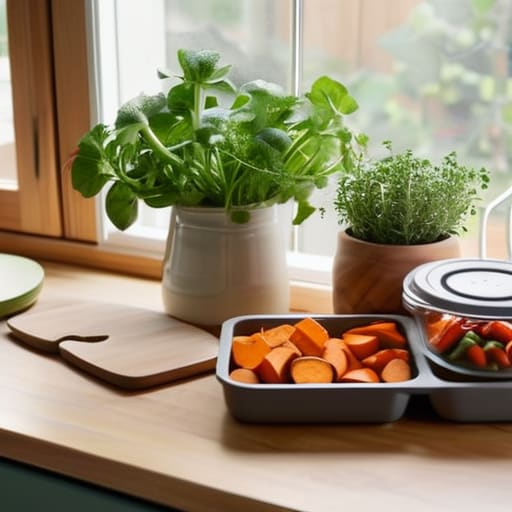
At the end of the day, meal planning isn’t about achieving culinary perfection or following a rigid, military-style schedule. It’s about building a system that works for you, not against you. We’ve covered how to bridge the gap from chaotic grocery runs to structured batch cooking and beginner-friendly prep. Whether you’re focusing on minimizing food waste or simply trying to reclaim those precious hours on a Tuesday night, the goal remains the same: removing the friction from your daily routine. If you implement even just one of these strategies this week—even if it’s just a simple grocery list—you’ve already won half the battle against the evening rush.
I know how it feels when the mental load of “what’s for dinner” starts to feel like another heavy task on an endless to-do list. But remember, these systems are tools, not cages. You don’t need a gourmet kitchen or an engineering degree to make this work; you just need the willingness to strip away the complexity. Use these methods to create a foundation of stability so that when life inevitably gets messy, your kitchen doesn’t become another source of stress. Build your system, reclaim your time, and then go out and actually enjoy the life you’re working so hard to build.
Frequently Asked Questions
I have a busy schedule; how much time should I actually set aside each week for this without it feeling like a second job?
Look, I get it. If you treat meal planning like a grueling marathon, you’ll quit by week three. Don’t aim for a five-hour kitchen takeover. Start with just 45 minutes on a Sunday to map out your week and a single 90-minute window to prep your core proteins or grains. That’s it. Two hours total. If it starts feeling like a second job, you’ve over-engineered the system. Scale back until it feels effortless.
What’s the best way to handle leftovers so I’m not eating the same three meals every single day?
The trick is to stop thinking in “dishes” and start thinking in “components.” Instead of prepping a full lasagna, prep a batch of roasted chicken, a tray of seasoned quinoa, and two different roasted veggies. On Monday, you have a Mediterranean bowl; on Tuesday, you toss the chicken into a quick wrap. By treating your fridge like a modular system rather than a graveyard of Tupperware, you keep the variety high and the mental load low.
Do I really need to buy a bunch of specialized containers, or can I just use what I already have in my kitchen?
Look, don’t fall into the trap of thinking you need a matching set of aesthetic glass jars to be “organized.” That’s just more clutter to manage. If you have mismatched Tupperware or even decent glass bowls already, use them. The goal is functionality, not a showroom. Start with what you have; once you actually find a rhythm and realize which sizes you use most often, then—and only then—should you invest in a few uniform, stackable ones.