I used to think that mastering how to make coffee at home required a $2,000 espresso machine and a degree in chemistry just to avoid a bitter cup. I’d spend my Sunday mornings wrestling with temperamental grinders and measuring water temperature to the exact decimal point, only to end up with a drink that tasted like burnt disappointment. It was a chaotic, inefficient mess that added more stress to my morning than it actually relieved. We’ve been sold this lie that “premium” coffee requires a laboratory setup, but most of that gear is just expensive clutter designed to distract you from the basics.
I’m not here to sell you on a lifestyle of complicated gadgets or needlessly expensive rituals. My goal is to strip away the pretension and show you how to build a reliable, streamlined system that delivers a perfect cup every single time without wasting your mental energy. I’ll walk you through the essential tools and the exact, repeatable steps you need to get it right. We’re going to focus on functional simplicity so you can stop tinkering and start actually enjoying your morning.
Table of Contents
- The Essential Coffee Brewing Equipment You Actually Need
- Mastering Grind Size for Different Brewers Without the Stress
- Five Small Tweaks for a Better Morning Cup
- Cut the Noise: My Three Golden Rules for Better Coffee
- The Philosophy of the Perfect Pour
- Stop Overthinking and Start Brewing
- Frequently Asked Questions
The Essential Coffee Brewing Equipment You Actually Need
Look, you don’t need a $2,000 espresso machine sitting on your counter taking up precious real estate. Most people overcomplicate this and end up with a cluttered kitchen and mediocre caffeine. To get started, you only need a few pieces of essential coffee brewing equipment that actually serve a purpose. I always tell people to start with a reliable pour-over dripper or a French press. These are straightforward, easy to clean, and they don’t require a degree in engineering to operate.
However, if you want to actually see a difference in your cup, stop skipping the grinder. Using pre-ground coffee is the fastest way to kill your morning. Investing in a decent burr grinder allows you to control the grind size for different brewers, which is the secret lever for consistency. When you pair freshly ground beans with a simple scale, you move from guessing to knowing. It’s about removing the variables so you can stop wrestling with your morning routine and just enjoy a damn good cup of coffee.
Mastering Grind Size for Different Brewers Without the Stress
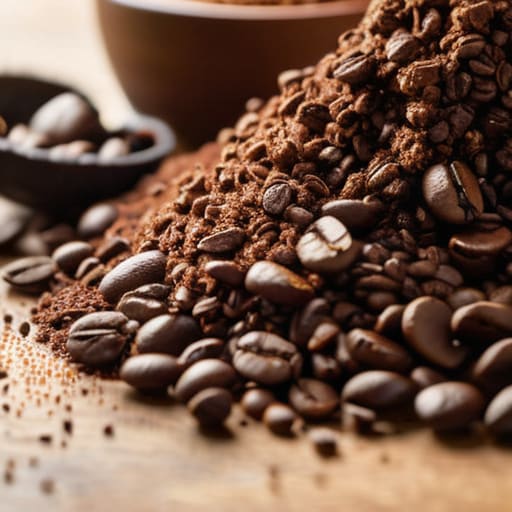
If you’ve ever taken a sip of coffee that tasted like battery acid or, conversely, like weak dishwater, you didn’t fail—your grind size did. Think of grind size as the throttle for extraction; it controls how quickly water pulls flavor out of the bean. If your grind is too fine, the water struggles to pass through, leading to over-extraction and that dreaded bitterness. If it’s too coarse, the water rushes through without grabbing enough oils, leaving you with a sour, thin mess. Mastering the grind size for different brewers is the single most effective way to stop guessing and start tasting.
I like to keep it simple: match the texture to the contact time. For a French Press, you want something coarse, similar to sea salt, because those grounds sit in water for several minutes. For a standard drip machine or a pour-over, aim for a medium consistency, like kosher salt. If you’re using an AeroPress, you can get a bit more granular. Once you dial this in, you’ll see a massive jump in improving coffee flavor profile without needing to buy a single new gadget.
Five Small Tweaks for a Better Morning Cup
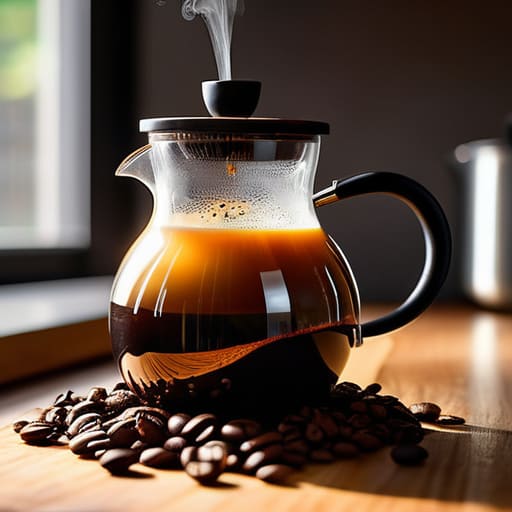
- Stop using tap water. If your water tastes like a swimming pool, your coffee will too. Use filtered water—it’s a tiny investment that changes the entire flavor profile.
- Get a digital scale. Stop eyeballing your measurements like it’s a chemistry experiment gone wrong. Consistency is the only way to ensure your coffee tastes the same on Tuesday as it did on Monday.
- Watch your temperature. Boiling water is too aggressive and will scorch the grounds, leaving you with a bitter mess. Aim for about 195°F to 205°F to keep the flavors clean.
- Clean your gear every single time. Old coffee oils turn rancid quickly. If you aren’t rinsing your carafe and brewer, you’re basically drinking yesterday’s mistakes.
- Buy fresh, don’t buy bulk. Coffee is a perishable product, not a shelf-stable pantry staple. Buy small bags with roast dates on them, and try to finish them within two weeks.
Cut the Noise: My Three Golden Rules for Better Coffee
Stop buying every gadget on the market; focus on one reliable brewer and a decent grinder, then master those before adding more complexity to your counter.
Treat your grind size like a precision setting—small adjustments make massive differences in flavor, so don’t be afraid to experiment until it clicks.
Consistency beats complexity every single time; build a repeatable routine so your morning coffee becomes a moment of clarity rather than another chore on your to-do list.
The Philosophy of the Perfect Pour
“Don’t turn your kitchen into a laboratory or a high-stress obstacle course; just get the right tools, dial in your routine, and let the coffee do the heavy lifting so you can actually start your day.”
Liam Anders Chen
Stop Overthinking and Start Brewing
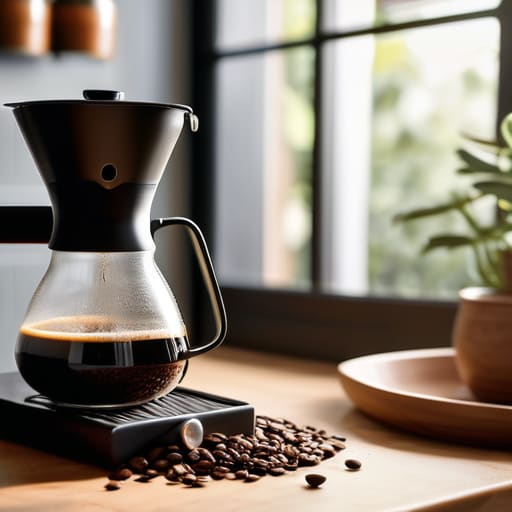
At the end of the day, making great coffee isn’t about owning a thousand-dollar espresso machine or memorizing complex chemistry equations. It’s about the fundamentals we’ve covered: getting the right gear for your space, understanding how your grind size affects the flow, and eliminating the friction that makes your morning feel like a chore. If you have decent beans, a reliable grinder, and a consistent method, you’ve already won half the battle. Stop worrying about whether you’re doing it “perfectly” and focus on building a repeatable system that works for your specific routine and your specific palate.
I spent way too many years settling for mediocre, bitter coffee just because I thought “real” brewing was too complicated to bother with. But once I stripped away the pretension and focused on these simple mechanics, my mornings changed. My kitchen stopped being a place of frustration and became a space of intentionality. My advice? Don’t let the pursuit of perfection become another item on your to-do list that causes stress. Just grab your gear, dial in your settings, and reclaim those few minutes of peace before the chaos of the day takes over. You deserve a better cup than what you’re currently settling for.
Frequently Asked Questions
How do I know if my water temperature is actually affecting the taste, or am I just overthinking it?
Look, I get it. In my line of work, if you can’t measure it, you can’t manage it. But you aren’t running a lab. To find out if you’re overthinking, run a side-by-side test: brew one cup with boiling water and another with water that’s sat for two minutes. If the boiling one tastes bitter or “ashy,” the heat is stripping the flavor. If they taste identical, stop obsessing and just enjoy the coffee.
Is it really worth investing in a high-end grinder, or can I get away with a decent electric one?
Look, I’m a systems guy. I value efficiency, but I also value results. If you’re using a cheap, blade-style grinder that just hacks your beans into uneven dust, you’re wasting good coffee and your own time. A decent burr grinder is the single best investment you can make. You don’t need a $1,000 setup, but skip the budget junk. Consistency is the system that makes the flavor work every single morning.
How can I keep my coffee tasting consistent every morning without turning my kitchen into a laboratory?
The secret isn’t more gear; it’s about controlling the variables that actually matter. Stop guessing. Start by using a simple digital scale to weigh your beans and water—don’t just eyeball it. If you use the same ratio every single time, you eliminate 90% of the inconsistency. Once you have your weight and your grind dialed in, you’ve built a repeatable system. It’s not a lab experiment; it’s just smart operations for your kitchen.