I used to think that mastering a weeknight meal meant owning a dozen specialized sauces and a professional-grade wok that cost more than my first car. I’d spend forty minutes reading complex recipes only to end up with a soggy, lukewarm mess that felt more like a chore than actual dinner. Most of the advice you find online about how to make a stir fry is unnecessarily bloated with “secret” ingredients and high-stress techniques that just don’t fit into a busy, functional life. You don’t need a culinary degree or a pantry full of obscure extracts; you just need a system that works.
In this guide, I’m stripping away the fluff to give you a streamlined, repeatable method for perfect results every single time. I’ll show you how to organize your prep so you aren’t scrambling mid-cook, and how to nail the heat without the chaos. My goal is to help you master the basics so you can spend less time managing your kitchen and more time actually enjoying your food.
Table of Contents
Efficient Vegetable Prep for Stir Fry Without the Mess
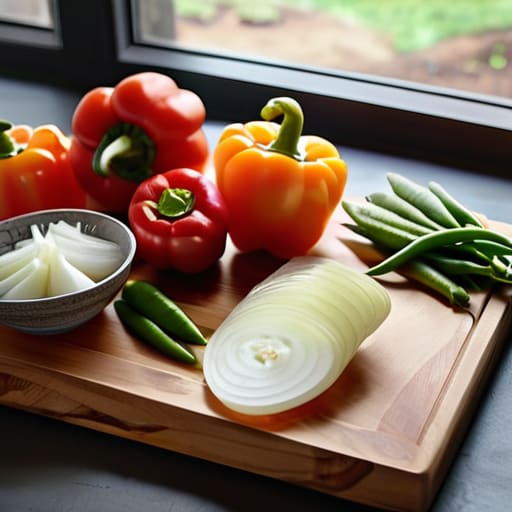
If you’ve ever tried to cook a stir fry while still chopping onions, you know the panic of a smoking pan and a kitchen that looks like a disaster zone. To avoid that chaos, you need to treat your vegetable prep for stir fry like a pre-flight checklist. I always clear my workspace and set out a single large cutting board before I even touch the stove. The goal is to have everything sliced and ready to go in separate small bowls. This isn’t just about being tidy; it’s about controlling the workflow so you aren’t playing catch-up once the oil hits the pan.
I also group my ingredients by their cooking times. Harder vegetables like carrots or broccoli go in one bowl, while delicate greens or aromatics go in another. This prevents the common mistake of overcooking your soft veggies while waiting for the dense ones to soften. Once your prep is staged, you can focus entirely on your high heat cooking methods without glancing back at a pile of unwashed produce. It turns a frantic scramble into a smooth, rhythmic process.
Essential Protein Seasoning for Stir Fry to Save Effort
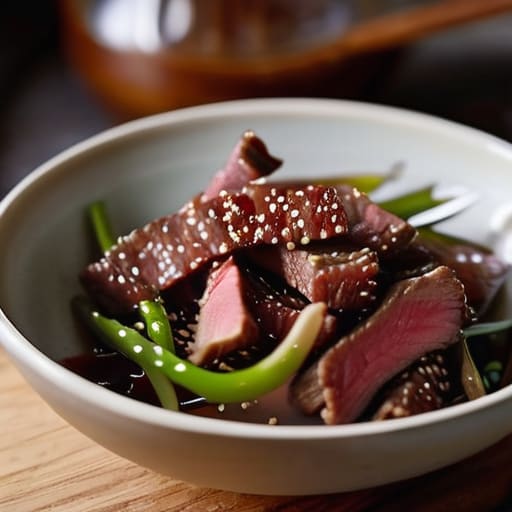
Once your vegetables are prepped and sitting in their bowls, don’t rush straight to the stove. The biggest mistake I see people make is tossing raw, unseasoned meat into a hot pan and hoping for the best. If you want to avoid that bland, boiled texture, you need to treat your protein with a bit of intentionality. I like to keep a small container of my go-to protein seasoning for stir fry ready to go—usually a simple mix of cornstarch, a splash of soy sauce, and a pinch of white pepper. This isn’t just about flavor; the cornstarch acts as a stabilizer, helping the meat retain moisture while creating a slight crust that grabs onto your sauce later.
Don’t overthink the spice profile, either. You aren’t trying to reinvent the wheel; you’re just building a foundation for those authentic stir fry flavors to shine. By coating your chicken, beef, or tofu in a quick marinade five minutes before you start your high-heat cooking, you ensure every bite is seasoned to the core. It’s a small, repeatable step that saves you from the frantic “where’s the salt?” scramble once the pan is already smoking.
Five Systems to Keep Your Stir Fry from Turning into Chaos
- Heat your pan before anything touches it. If you drop cold ingredients into a lukewarm wok, you aren’t stir-frying; you’re steaming, and you’ll end up with a soggy, unappealing mess instead of that crisp texture we’re after.
- Group your ingredients by cook time. I always keep my hard vegetables like carrots in one pile and my leafy greens in another. Adding them all at once is a recipe for disaster—you want the crunch in the carrot and the tenderness in the bok choy.
- Keep your sauce in a single container. Don’t try to measure out soy sauce, ginger, and sesame oil over a hot pan while things are already sizzling. Mix it all in a small ramekin beforehand so you can pour it in one smooth motion.
- Work in small batches if your pan is crowded. If you dump too much protein in at once, the temperature drops instantly and the meat starts boiling in its own juices. It’s better to sear the meat in two quick rounds than to deal with a grey, rubbery pile.
- Clear your workspace as you go. A cluttered cutting board leads to a cluttered mind and accidental nicks. Keep a damp cloth nearby to wipe down your station between steps so you can actually focus on the cooking rather than the cleanup.
The Bottom Line for a Stress-Free Stir Fry
Prep everything before you touch the heat; once that pan is hot, you don’t have time to be hunting for a knife or a bowl.
Don’t skip the seasoning step for your protein—it’s the difference between a bland meal and something that actually tastes like it came from a restaurant.
Focus on the system, not just the recipe; when your workspace is organized and your ingredients are ready, the cooking part becomes the easiest part of your day.
The Philosophy of the Wok
“A great stir fry isn’t about complex recipes; it’s about mastering the workflow. If you prep your ingredients with intention and respect the heat, you aren’t just cooking dinner—you’re reclaiming your evening from the chaos of a messy kitchen.”
Liam Anders Chen
Mastering the System
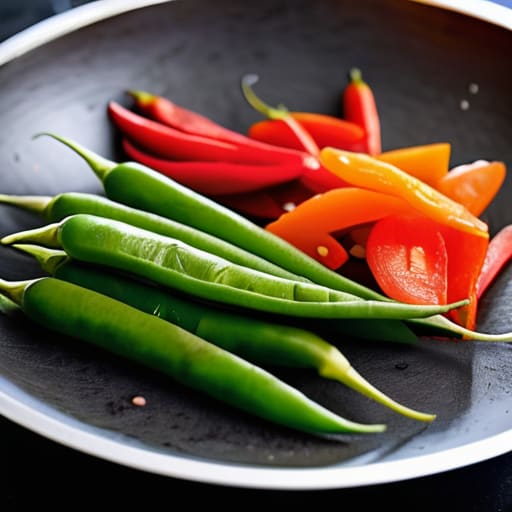
At the end of the day, a great stir fry isn’t about complex culinary techniques; it’s about eliminating friction. By prepping your vegetables in advance and getting your protein seasoned before the heat even touches the pan, you’ve already won the hardest battle. You aren’t scrambling to chop an onion while your garlic burns or frantically searching for the soy sauce while the meat overcooks. You’ve turned a potentially chaotic kitchen experience into a streamlined, repeatable process that works every single time. When you respect the prep, the actual cooking becomes nothing more than a few minutes of high-heat assembly.
I know how it feels to come home after a long day and feel like even making dinner is another chore on an endless to-do list. But once you implement these small, tactical shifts, you realize that cooking doesn’t have to be another source of mental clutter. It can actually be a way to reclaim your evening. Stop viewing dinner as a hurdle to clear and start seeing it as a system you can control. Master these basics, keep your workspace clean, and you’ll find you have more than just a good meal—you’ll have the mental clarity to actually enjoy the rest of your night.
Frequently Asked Questions
What’s the best way to keep the sauce from getting too thin or watery?
The secret is a cornstarch slurry. Don’t just dump the starch into the pan; mix a teaspoon of cornstarch with a tablespoon of cold water in a small bowl first. Whisk it until it’s smooth, then pour it into your simmering sauce at the very end. It thickens almost instantly, giving you that glossy, restaurant-style coating that actually clings to your ingredients instead of pooling at the bottom of the bowl.
How do I know when the heat is actually high enough to get that restaurant-style sear?
If you’re waiting for the pan to smoke, you’ve already gone too far. You want high heat, not a fire hazard. Here’s my rule of thumb: wait until the oil reaches its “shimmer” point. The surface should look thin and wavy, almost like it’s vibrating. If you drop a tiny piece of aromatics—like a bit of ginger or garlic—it should sizzle instantly. That’s your cue to move. If it just sits there, your sear is dead.
Can I prep the sauce in advance, or does it need to be made right before it hits the pan?
You absolutely can—and honestly, you should. I never bother whisking my sauce while the pan is screaming hot; that’s just asking for a burnt mess. Mix your soy, ginger, and cornstarch in a small jar or bowl ahead of time. It keeps your workspace clear and ensures the thickener is fully integrated. Just keep it within arm’s reach so you can pour it in the second the protein is done.