I used to think that making a decent lunch required a grocery list longer than my engineering blueprints and a kitchen counter covered in exotic, overpriced superfoods. I’d stare at a bowl of limp spinach and wilted cucumbers, wondering why I was wasting my limited lunch break on something that felt more like punishment than fuel. Most “gourmet” advice online makes it sound like you need a culinary degree just to figure out how to make salad interesting, but that’s just more unnecessary noise in an already cluttered life.
I’m not here to sell you on some complicated, ten-step recipe that leaves your kitchen looking like a disaster zone. Instead, I’m going to show you a few systematic, high-impact tweaks—think of them as small optimizations for your plate—that turn a boring pile of greens into something actually worth eating. We’re going to focus on texture, acidity, and smart prep so you can stop just surviving your midday meal and start actually enjoying it.
Table of Contents
Mastering Flavor Balancing in Salads Without the Stress
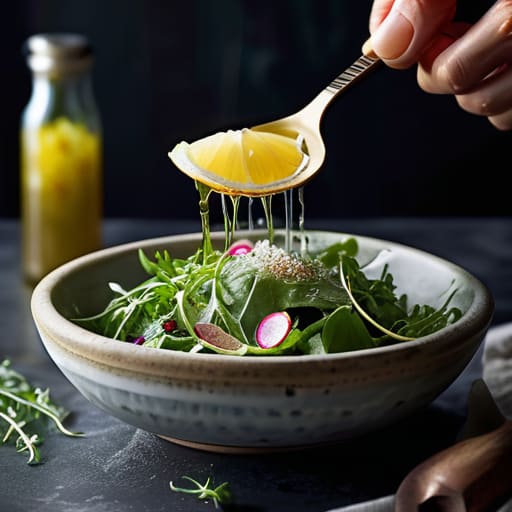
Most people fail at salads because they treat them like an afterthought—a pile of limp greens topped with a heavy-handed splash of bottled ranch. If you want to actually enjoy your lunch, you need to stop thinking about “diet food” and start thinking about flavor balancing in salads. The secret is a simple ratio: you need something bright (acid), something rich (fat), and something to ground the dish (salt/umami). Instead of overcomplicating things, I keep a few high-quality oils and vinegars on hand. A quick whisk of lemon juice, olive oil, and a pinch of sea salt beats any store-bought jar every single time.
Once you have the liquid base down, focus on adding texture to salads to prevent that “mushy” feeling. I always keep a jar of toasted sunflower seeds or some crushed walnuts in my pantry for this exact reason. If you’re feeling hungrier, don’t skip the protein; a hard-boiled egg or some leftover roasted chicken turns a side dish into a real meal. It’s about building a system where you aren’t guessing, but rather assembling components that work together.
The Minimalists Guide to Creative Salad Ingredients
The mistake most people make is treating a salad like a pile of leaves rather than a structured meal. If you want to stop surviving your lunches and start actually enjoying them, you need to focus on adding texture to salads through intentional layering. I don’t have time for a grocery list with fifty items, so I stick to a simple framework: something soft (greens), something crunchy (seeds or nuts), and something substantial. Adding a handful of toasted pumpkin seeds or even some sliced radishes provides that necessary structural contrast that keeps your brain engaged with every bite.
Beyond the crunch, you need to think about satiety. A bowl of cucumber and spinach isn’t a meal; it’s a side dish. To make it a functional part of a busy workday, I always integrate specific protein additions for salads like a hard-boiled egg, canned chickpeas, or leftover grilled chicken. These aren’t just extra calories; they are the anchors that prevent that 3:00 PM energy crash. Keep a few pantry staples on hand—like hemp hearts or dried lentils—so you can build a high-quality, filling bowl in under five minutes without overthinking the process.
Five Quick Wins to Fix a Dead Salad
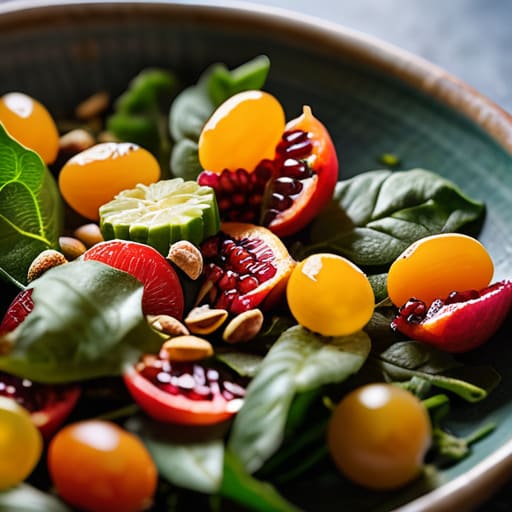
- Stop relying on bottled dressing; a simple ratio of olive oil, acid (like lemon or apple cider vinegar), and a pinch of salt is faster and tastes ten times better.
- Texture is everything—if your salad is just soft leaves, it’s a chore to eat. Throw in some toasted sunflower seeds, sliced radishes, or even crushed pita chips to give your mouth something to actually do.
- Use the “One Strong Element” rule. Instead of adding five mediocre toppings, pick one high-quality ingredient—like a really good sharp feta or some smoked almonds—and let it be the star.
- Don’t be afraid of warmth. Adding a handful of warm roasted chickpeas or even some leftover grilled chicken to cold greens creates a temperature contrast that makes the meal feel intentional rather than accidental.
- Season your greens directly. Most people dress the salad and call it a day, but a tiny sprinkle of cracked black pepper or a dusting of nutritional yeast directly onto the leaves before the dressing hits makes a massive difference in every bite.
The Bottom Line: Eat Better, Not Harder
Stop treating salad as an afterthought or a chore; use texture and acidity to make it something you actually look forward to eating.
Build a mental system of “flavor pillars”—crunch, acid, fat, and salt—so you can build a great bowl without needing a recipe book.
Keep your pantry stocked with high-impact, long-lasting basics like nuts, seeds, and good olive oil to eliminate the “nothing to eat” panic on busy weeknights.
The Philosophy of the Bowl
A salad shouldn’t feel like a chore you’re forcing yourself to complete; it should be a deliberate assembly of texture and salt that actually makes you look forward to lunch.
Liam Anders Chen
Stop Settling for Sad Salads
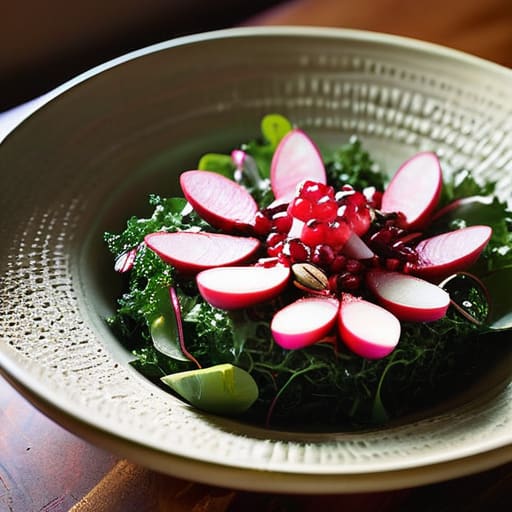
At the end of the day, making a salad interesting isn’t about buying a dozen expensive, niche ingredients or spending forty minutes in the kitchen. It’s about applying a bit of logic to your plate. Remember to balance your textures—get that crunch in there—and never underestimate the power of a simple, acidic dressing to wake everything up. If you focus on the core principles of flavor, texture, and contrast, you’ll stop treating lunch like a chore you have to endure and start treating it like a meal you actually look forward to. You don’t need a complicated recipe; you just need a functional system that works every single time.
I know how easy it is to fall into the trap of “survival eating,” where you just grab whatever is easiest because your schedule is already pulling you in a thousand directions. But I’ve learned that reclaiming even ten minutes of your midday break through a meal that actually tastes good can change the entire trajectory of your afternoon. Don’t let your nutrition become another source of chaos in your life. Keep your pantry stocked with the basics, keep your methods simple, and stop settling for boring. You deserve a lunch that fuels you rather than one that just fills a gap.
Frequently Asked Questions
How do I keep my salads from getting soggy if I'm prepping them ahead of time for work?
The “Mason Jar Method” is my go-to for this. It’s a simple system: dressing goes at the very bottom, followed by hard veggies like cucumbers or carrots, then your proteins, and finally the greens at the very top. By creating these layers, you keep the moisture away from the leaves until you’re ready to shake and eat. It’s efficient, prevents the dreaded soggy mess, and keeps your lunch fresh for days.
Are there any specific dressings I can make in under two minutes that don't require a dozen different ingredients?
Look, you don’t need a pantry full of exotic oils to make a decent dressing. I keep it simple: grab a jar, toss in three parts olive oil, one part acid (lemon juice or apple cider vinegar), a pinch of salt, and some cracked pepper. Shake it hard. If you want a kick, add a teaspoon of Dijon mustard to emulsify it. It takes sixty seconds, cleans up instantly, and beats those processed, sugary bottles every time.
How do I incorporate enough protein or healthy fats so a salad actually feels like a meal instead of just a side dish?
If you’re finishing a bowl of greens and feeling hungry twenty minutes later, you haven’t built a meal; you’ve just made a garnish. To fix this, stop thinking about “toppings” and start thinking about “anchors.” I always aim for one solid protein—think chilled chicken, hard-boiled eggs, or chickpeas—and one source of healthy fats like avocado or toasted seeds. It’s about satiety. If it doesn’t keep you full, it’s not a lunch.