I spent three hours last Sunday trying to find a single lid for a Tupperware container, only to realize I’d been digging through a graveyard of mismatched plastic while my coffee went cold. Most of the “kitchen organization ideas” you see on social media are just expensive, aesthetic nonsense—rows of identical glass jars that look great in a photo but fail the moment you actually try to cook a real meal. I’m tired of seeing people spend hundreds of dollars on decorative bins that don’t actually solve the underlying friction of a chaotic workspace.
I’m not here to sell you a lifestyle overhaul or a set of designer organizers you’ll stop using in a month. Instead, I want to share the practical, systems-based approach I use to keep my own kitchen running like a well-oiled machine. I’m going to walk you through a few no-nonsense systems designed to reduce decision fatigue and stop the clutter before it starts. My goal is simple: we’re going to strip away the excess so you can spend less time hunting for spatulas and more time actually enjoying your food.
Table of Contents
Cabinet Decluttering Tips to End the Daily Chaos
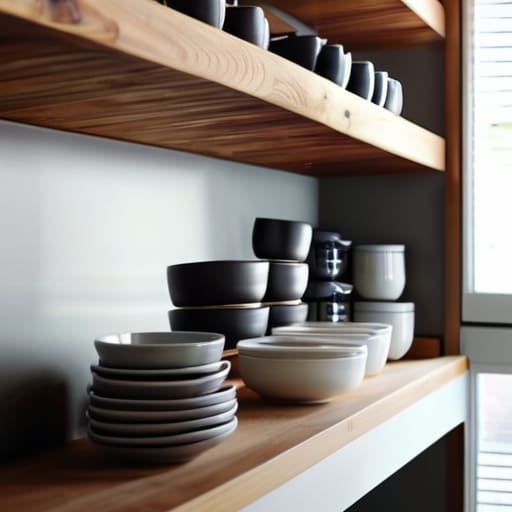
First, you have to face the music: most of us are hoarding things we haven’t touched since we moved in. I used to keep every mismatched Tupperware lid and that single, lonely garlic press in my upper cabinets, thinking I might need them “someday.” I was wrong. To start, empty every single cabinet completely. It’s messy and takes time, but you can’t build a system on top of chaos. Group your items by frequency of use; the stuff you grab every morning, like coffee mugs and bowls, belongs at eye level. Everything else—the seasonal platters or the heavy Dutch oven—should be relegated to the higher or lower shelves where they won’t disrupt your workflow.
Once you’ve purged the junk, focus on maximizing kitchen space through smart layering. Instead of stacking plates into a precarious tower that risks a kitchen landslide, invest in some simple shelf risers. These are one of my favorite small kitchen storage solutions because they turn wasted vertical air into usable real estate. If you’re dealing with deep, dark lower cabinets, use pull-out bins so you aren’t playing a game of Tetris just to find a pot lid. Stop digging and start reaching.
Maximizing Kitchen Space Without the Added Stress
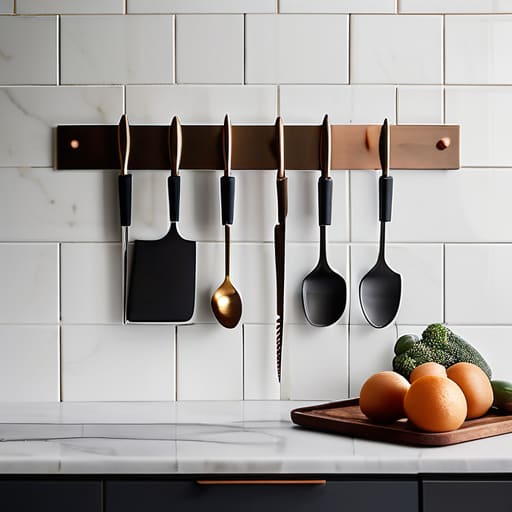
Once you’ve cleared the surface-level clutter, the real challenge is the physics of the room. If you’re working with limited square footage, you have to stop thinking about floor space and start thinking about verticality. I’ve found that most people leave a massive amount of “dead air” between their countertops and their upper cabinets. Utilizing magnetic knife strips or hanging utensil racks isn’t just for show; it’s about maximizing kitchen space by getting the tools you use every single day off the counter and onto the walls.
When it comes to the actual storage units, don’t just stack things blindly. I’m a big believer in using tiered shelf inserts or pull-out bins to create “sub-levels” within your cabinets. This prevents that frustrating phenomenon where you have to move five bowls just to reach the one you actually need. Implementing simple drawer divider systems for your cutlery and gadgets does the same thing for your workspace—it creates a designated home for every item. When everything has a specific slot, the mental load of “finding” things simply evaporates.
Five Small Systems to Keep Your Kitchen Running Like a Machine
- Group your tools by frequency of use. I keep my daily essentials—the good chef’s knife, the heavy skillet, and the wooden spoons—within arm’s reach of the stove. If you haven’t touched that specialized pasta maker in six months, it shouldn’t be occupying prime real estate in your most accessible drawer.
- Use clear, uniform containers for dry goods. It sounds like a cliché until you realize how much mental energy you save when you can see exactly how much flour or coffee you have left at a glance. Eliminating the guesswork stops that mid-recipe panic.
- Implement a “one-in, one-out” rule for gadgets. My kitchen is minimalist for a reason; if I buy a new high-end blender, an old, clunky one has to go. This prevents the slow creep of “just in case” clutter that eventually suffocates your countertops.
- Utilize vertical space with magnetic strips or tiered shelving. Don’t let your knives take up drawer space or your spices hide in the dark depths of a cabinet. Getting things off the flat surfaces and onto the walls clears the visual noise and makes everything accessible.
- Create a dedicated “landing zone” for mail and keys near the entrance. A kitchen often becomes the default dumping ground for everything from grocery lists to unpaid bills. By assigning a specific, small tray for these items, you prevent the chaos of the outside world from bleeding into your cooking space.
The Bottom Line: Systems Over Stuff
Stop trying to organize clutter; if a tool or gadget hasn’t seen the light of day in six months, it’s just taking up mental real estate you don’t have.
Design your kitchen around your actual habits, not some Pinterest ideal—put the things you use every single morning where you can reach them without thinking.
Maintenance is easier than a total overhaul, so build small, repeatable habits like resetting your counters every night to keep the chaos from creeping back in.
## The Philosophy of a Functional Kitchen
A kitchen shouldn’t be a scavenger hunt every time you want to boil water; it should be a streamlined system where everything has a home, allowing you to focus on the meal instead of the mess.
Liam Anders Chen
Reclaiming Your Space
At the end of the day, kitchen organization isn’t about achieving some impossible Pinterest-perfect aesthetic; it’s about building a system that actually works for your specific life. We’ve covered how to aggressively declutter those heavy cabinets, how to maximize every square inch of your limited counter space, and how to stop the cycle of daily chaos through intentional placement. By applying these small, repeatable systems—putting the tools you use every single morning in the easiest-to-reach spots—you are essentially removing the friction from your daily routine. It’s about making sure that when you walk into your kitchen at 7:00 AM, you aren’t immediately met with a mental checklist of things that need fixing or finding.
I know that looking at a messy kitchen can feel overwhelming, like just another project on an endless to-do list, but I promise you that the effort is worth the payoff. When you stop fighting your environment and start designing it to serve you, something shifts. You stop spending your precious energy managing your clutter and start using that energy to actually enjoy the process of cooking or simply sitting down with a quiet cup of coffee. Don’t try to overhaul the whole room in one afternoon; just pick one drawer or one shelf and start small. Reclaim your kitchen, reclaim your time, and most importantly, reclaim your peace of mind.
Frequently Asked Questions
I have a tiny kitchen with almost zero counter space; how do I organize without making it feel even more cramped?
Look, I’ve lived in spaces where the kitchen felt more like a hallway. When counter space is non-existent, you have to stop thinking horizontally and start thinking vertically. Get some heavy-duty magnetic strips for your knives and wall-mounted rails for your most-used utensils. If you can’t find a spot on the counter, use the backsplash or the inside of cabinet doors. It’s about reclaiming that dead air so your workspace stays clear.
How often should I actually go back and re-evaluate these systems so they don't just fall apart again in a month?
Don’t aim for perfection; aim for maintenance. I treat my kitchen systems like a piece of machinery—it needs a tune-up before it breaks down. I do a quick “friction check” every Sunday evening to see what’s drifting. Then, I run a deeper reset once a month. If you find yourself hunting for a lid for more than ten seconds, your system has failed. Adjust it immediately. Don’t let the chaos settle.
What are some low-cost, functional tools I can use to organize my pantry instead of buying expensive, aesthetic containers that don't actually work?
Forget the “aesthetic” glass jars you see on Instagram; they’re usually just expensive dust collectors. If you want real utility, go for function over form. I swear by heavy-duty wire baskets for loose items and simple, clear acrylic bins for grouping snacks. Even old shoe boxes or sturdy cardboard dividers work if they keep things categorized. The goal isn’t a showroom; it’s a system where you can see exactly what you have at a glance.