I used to think that a “perfect” kitchen required a suite of expensive, single-use gadgets that promised to revolutionize my life, only to end up cluttering my counters and gathering dust. Most of the advice you see online about kitchen tips and tricks feels like it was written for people with unlimited time and a professional chef’s budget, rather than someone just trying to get a decent meal on the table after a ten-hour workday. I’m tired of the hype; you don’t need a $400 immersion blender to make a decent soup, and you certainly don’t need a complicated organizational system that takes more effort to maintain than the actual cooking.
My goal here is simple: I want to help you strip away the friction. I’m going to share the exact, low-maintenance systems I’ve developed to turn my kitchen from a source of daily chaos into a streamlined workspace. We aren’t going to talk about aesthetic pantry labels or fancy culinary school techniques; instead, I’ll provide practical, high-impact adjustments that reclaim your time and mental clarity. Let’s stop managing the mess and start actually enjoying the process.
Table of Contents
Master Meal Prep Efficiency to Reclaim Your Evenings
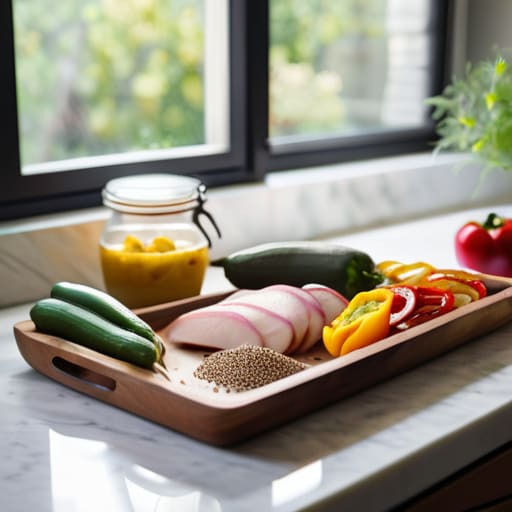
I’ve realized that the “after-work slump” is usually just a symptom of a disorganized kitchen. If you walk through your door and immediately face a pile of dishes or a pantry that looks like a junk drawer, your brain stays in “work mode” instead of shifting to “relax mode.” To fix this, I focus heavily on meal prep efficiency by treating my Sunday afternoon like a systems engineering project. I don’t do elaborate, five-course meals; I focus on component prepping—roasting a massive tray of vegetables, boiling a batch of grains, and prepping a protein. This way, during the week, I’m just assembling rather than starting from scratch.
The secret to making this stick is investing in high-quality food storage solutions. Stop using those mismatched, flimsy plastic containers that leak and take up way too much space. I switched to a uniform set of glass containers that stack perfectly in my fridge. It’s a small change, but seeing everything organized and visible makes it easy to grab a healthy meal and go. When you eliminate the friction of searching for a lid or cleaning up a mess, you actually reclaim your evenings.
Smart Food Storage Solutions to End Daily Food Waste
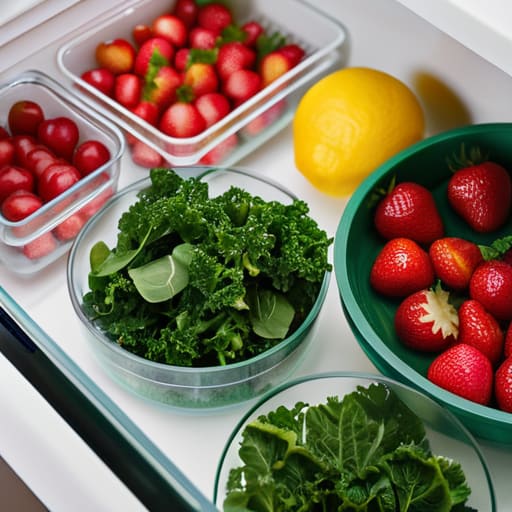
If you’re like me, there’s nothing more frustrating than opening the fridge to find a bag of wilted spinach or a container of mystery leftovers that’s gone bad. It’s not just a waste of money; it’s a failure of the system. To fix this, I’ve moved away from those flimsy, mismatched plastic containers and invested in a uniform set of glass airtight vessels. When your food storage solutions are consistent, you can stack them perfectly, maximizing every inch of shelf space and making it immediately obvious what needs to be eaten first.
I also swear by the “First In, First Out” rule—a simple systems engineering principle applied to your pantry. I use clear bins to group similar items together, which serves as one of my favorite kitchen organization ideas for maintaining order without thinking. By grouping snacks in one bin and baking supplies in another, you stop digging through piles and start seeing your inventory at a glance. Stop letting good ingredients die in the back of a dark cupboard; build a system that works for you, not against you.
Small Tweaks to Cut Through the Kitchen Chaos
- Stop hunting for tools; implement a “prime real estate” rule where your most-used items—like your chef’s knife and favorite pan—live within arm’s reach of the stove, not buried in a bottom drawer.
- Audit your gadget drawer and ditch the single-use junk; if a tool hasn’t seen the light of day in six months, it’s just taking up mental and physical space that could be used for something actually useful.
- Set up a dedicated “prep station” with a large, stable cutting board and a small “scrap bowl” for peels and ends, so you aren’t constantly walking to the trash can mid-chop.
- Clean as you go, but do it strategically; use the “dead time” while your water is boiling or your onions are sautéing to wash the prep bowls, rather than letting them pile up into a mountain of stress at the end of the night.
- Label your spices and dry goods with a simple, consistent system; there is nothing more frustrating than mid-recipe guesswork, and a quick glance at a labeled jar saves you precious minutes and brainpower.
The Bottom Line: Less Management, More Living
Stop treating your kitchen like a warehouse; organize your tools and ingredients so you can move with intention rather than constantly searching for what you need.
Build repeatable systems for meal prep and storage to eliminate the daily “what’s for dinner” mental fatigue and stop throwing money in the trash.
Focus on small, functional upgrades—like better containers or a streamlined countertop—to strip away the friction that turns cooking from a joy into a chore.
The Philosophy of a Functional Kitchen
“A kitchen shouldn’t be a source of daily friction; it should be a high-functioning system where every tool has its place and every process serves a purpose, leaving you with more time to actually eat and less time just managing the mess.”
Liam Anders Chen
Reclaiming Your Kitchen
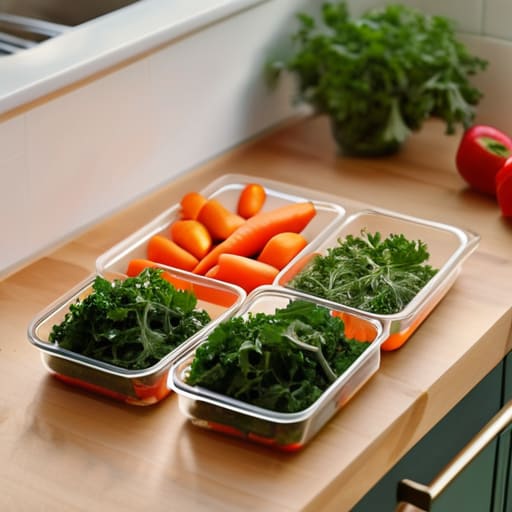
At the end of the day, a functional kitchen isn’t about having a showroom-ready space or the latest high-tech gadget; it’s about reducing the friction between you and your next meal. By mastering your meal prep workflow and implementing a smarter storage system, you aren’t just organizing containers—you are eliminating the decision fatigue that drains your energy after a long workday. We’ve covered how to stop the waste and how to streamline your prep, but the real win is the mental clarity that comes when you no longer have to fight your own environment just to make a simple dinner.
I know how easy it is to let the chaos take over, especially when life gets loud and your schedule feels impossible to manage. But remember, these systems are meant to serve you, not the other way around. Don’t feel like you have to overhaul everything by tomorrow morning; just pick one small, repeatable habit and start there. My goal is to help you strip away the unnecessary complexity so you can stop managing a mess and start actually enjoying the process of living. You’ve got this—now go take back your time.
Frequently Asked Questions
How can I keep my kitchen organized if I'm working in a tiny apartment with almost zero counter space?
When you’re working with a tiny footprint, your countertops aren’t for storage—they’re for tasks. Stop trying to find space where it doesn’t exist. Instead, look up. Install magnetic knife strips, heavy-duty wall rails for utensils, and stackable shelving to utilize vertical air space. If you can’t go up, go inside: use drawer organizers to stop the “junk drawer” chaos. Every inch must earn its keep, or it needs to be tucked away.
What are some low-maintenance tools that actually last, rather than buying cheap gadgets that just end up in a junk drawer?
Look, I’ve learned the hard way that a drawer full of “as-seen-on-TV” gadgets is just expensive clutter. If you want tools that actually work, stick to the basics. Invest in a high-quality chef’s knife, a heavy-duty cast iron skillet, and a solid stainless steel whisk. These aren’t just tools; they’re systems. They’re easy to clean, nearly impossible to break, and they’ll serve you for decades instead of ending up in a landfill.
I struggle with staying consistent; how do I build a kitchen routine that doesn't feel like another overwhelming chore on my to-do list?
The mistake most people make is trying to overhaul their entire kitchen in one weekend. That’s a recipe for burnout. Instead, treat your kitchen like a system: start with one “micro-habit.” Maybe it’s just clearing the sink before you head to bed, or setting out your coffee gear the night before. Don’t aim for perfection; aim for low friction. Build the small, repeatable wins first. Once the routine feels automatic, then you can scale up.