I spent three hours last Saturday staring at a mountain of half-empty cleaning bottles and “must-have” organizational bins I bought during a late-night impulse spree. It felt less like a fresh start and more like I was just managing more clutter. Most of the advice you see online regarding spring cleaning tips is just a way to sell you more plastic containers you don’t actually need. We’ve been conditioned to believe that a clean home requires a massive arsenal of expensive chemicals and a weekend-long marathon of exhaustion, but that’s just a recipe for burnout.
I’m not here to sell you a lifestyle or a new set of overpriced organizers. Instead, I want to give you a systematic approach to reclaiming your space without losing your mind. I’ve stripped away the fluff to bring you practical, high-leverage spring cleaning tips that focus on efficiency and mental clarity. We are going to tackle the friction points in your home using logic and simple, repeatable steps so you can stop fighting your mess and actually get back to living your life.
Table of Contents
Mastering Decluttering Techniques for Home Without the Burnout
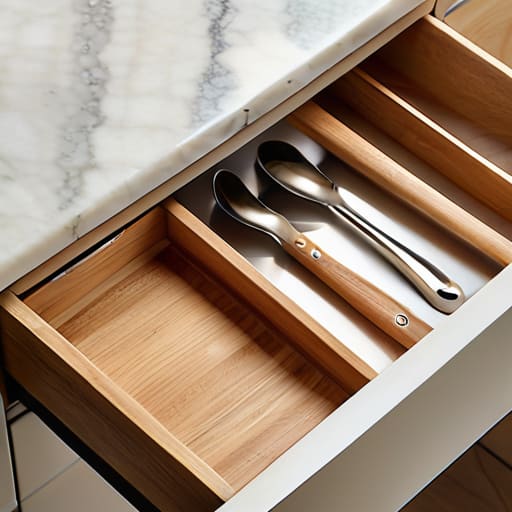
The biggest mistake I see people make is trying to tackle the entire house in a single, caffeine-fueled weekend. That’s a recipe for burnout, not progress. Instead of a chaotic blitz, I rely on a strict room by room cleaning guide to keep my momentum steady. I pick one zone—say, the kitchen junk drawer or the hallway closet—and I don’t move on until that specific system is solved. If you try to do everything at once, you’ll just end up with a pile of half-sorted boxes in the middle of your living room, which defeats the entire purpose of reclaiming your space.
When you’re sorting through the piles, use the “one-year rule”: if you haven’t touched it, used it, or needed it in the last twelve months, it’s just dead weight. My goal isn’t just to move stuff around; it’s to eliminate the friction in my daily routine. By applying these decluttering techniques for home in small, manageable bursts, you prevent that overwhelming sense of dread. You aren’t just cleaning; you’re auditing your life to make sure everything you own actually serves a purpose.
A Seasonal Cleaning Schedule That Actually Works

The biggest mistake I see people make is trying to tackle the entire house in a single, frantic weekend. That’s not a plan; it’s a recipe for burnout. Instead, I treat my home like a system that needs incremental maintenance. A functional seasonal cleaning schedule shouldn’t feel like a marathon; it should feel like a series of small, manageable sprints. I break my tasks down by zone, focusing on one specific area—like the kitchen or the home office—for just thirty minutes a day. This keeps the momentum going without draining my mental battery.
When you’re mapping this out, don’t just aim for “clean”; aim for sustainable. I find that following a loose room by room cleaning guide prevents that overwhelming feeling of staring at a mountain of chores. Start with the high-traffic areas where you spend the most time, and save the deep-storage zones for when you have a bit more breathing room. By spreading the workload across two weeks rather than two days, you stop reacting to the chaos and start controlling your environment on your own terms.
Five Systems to Stop the Cycle of Mess
- The “One-Touch” Rule: If you pick something up, don’t put it down until it’s in its permanent home. Moving a pile from the kitchen counter to the dining table isn’t cleaning; it’s just relocating the chaos.
- Audit Your Tools: Before you start scrubbing, grab my precision screwdriver and check your gear. A frayed vacuum cord or a dried-out spray bottle is just a friction point that will kill your momentum. Replace them now so they don’t frustrate you later.
- Zone-Based Deep Cleans: Don’t try to tackle the whole house in one weekend—you’ll burn out by Tuesday. Pick one high-traffic zone, like the entryway or the coffee station, and optimize it until it feels seamless.
- Digital Decluttering: We forget that our digital spaces take up mental bandwidth too. Spend thirty minutes clearing your desktop icons and unsubscribing from those junk retail emails that clutter your inbox every morning.
- The “Empty Surface” Standard: Aim to keep your primary workspaces—the kitchen island or your desk—completely clear at the end of each day. Starting tomorrow with a blank slate is the fastest way to reclaim your mental clarity.
The Bottom Line: Systems Over Sweat
Stop treating cleaning like a marathon; break it into small, repeatable tasks that fit into your actual life instead of trying to conquer the whole house in one weekend.
If a tool or an item doesn’t serve a functional purpose or bring you genuine utility, it’s just friction—get rid of it to reclaim your mental space.
Focus on maintaining the systems you build rather than just reacting to the mess, so you spend less time scrubbing and more time actually living.
The Philosophy of a Clean Space
“Spring cleaning shouldn’t be a marathon of misery; it’s about stripping away the physical friction in your home so your mind finally has the room to breathe.”
Liam Anders Chen
The Finish Line is Just the Beginning

At the end of the day, spring cleaning isn’t about achieving some impossible standard of perfection or scrubbing every baseboard until it shines like a showroom. It’s about the systems we discussed: breaking the decluttering process into manageable chunks to avoid burnout and sticking to a schedule that respects your actual energy levels. When you stop treating your home like a project that never ends and start treating it like a functional environment, everything changes. By applying these streamlined techniques, you aren’t just moving dust around; you are reclaiming your physical space and, more importantly, your mental bandwidth.
I know how it feels to look at a pile of clutter and feel that immediate sense of dread, but remember that even the most complex systems start with a single, small adjustment. Don’t let the scale of the task paralyze you. The goal here isn’t to spend your entire weekend fighting your mess, but to build a foundation that allows you to actually live your life once the work is done. Take the win, put the screwdriver away, and enjoy the clarity you’ve worked so hard to create. You’ve earned the right to stop managing your chaos and start enjoying your home.
Frequently Asked Questions
How do I decide what to actually keep versus what to toss when I'm staring at a mountain of sentimental clutter?
Sentimental clutter is the ultimate productivity killer because it forces you to make emotional decisions instead of logical ones. When I’m stuck, I use the “utility vs. memory” filter. Ask yourself: Does this object serve a functional purpose in my current life, or am I just preserving a ghost? If it’s purely sentimental, don’t keep the bulky item—take a high-quality photo of it. Digital archives don’t take up shelf space, but they preserve the memory just as well.
I don't have an entire weekend to dedicate to this; how can I break these tasks down into manageable 20-minute chunks?
Look, I get it. The idea of a marathon cleaning session is a recipe for burnout. I don’t have the luxury of wasting a whole Saturday either. Instead, treat it like a series of micro-tasks. Pick one zone—a single drawer, the coffee station, or just the entryway floor—and set a timer for 20 minutes. When the timer hits, you stop. It’s about building momentum through small, repeatable wins rather than fighting a losing battle against the clock.
What are the absolute essential tools I need to get the job done without buying a bunch of specialized cleaning gadgets I'll never use again?
Look, you don’t need a $50 specialized gadget for every corner of your house. Most of those “as seen on TV” cleaners are just clutter in disguise. Stick to the essentials: a high-quality microfiber cloth, a sturdy scrub brush, a multipurpose cleaner that actually works, and a decent vacuum. If you have those, you can tackle 90% of your home. Don’t buy tools for problems you don’t have; buy tools that solve everything.