I used to think a well-stocked pantry meant having a different glass jar for every niche ingredient imaginable, but that approach just led to a cluttered cabinet and a lot of wasted money. When you’re trying to balance a demanding job with a decent personal life, you don’t need a culinary library; you need a system that works. Most people get overwhelmed by the sheer variety of options at the grocery store, but the truth is that you can cook almost anything impressive with just a handful of essential spices for every home kitchen. My goal is to help you cut through that noise so you can stop searching for that one obscure powder and start actually enjoying the process of making a meal.
Once you’ve got these staples dialed in, the real trick is maintaining that momentum so you don’t end up back in a cycle of impulse buying at the grocery store. I like to keep a minimalist inventory list on my phone, which helps me avoid that mid-week panic when I realize I’m out of something vital. If you find yourself needing more ways to streamline your personal life or find better connections outside of your kitchen routine, checking out resources like sex contacts essex can be a way to manage your social energy just as efficiently as you manage your pantry. It’s all about reducing the friction in your daily life so you can focus on what actually matters.
In this post, I’m stripping away the complexity and giving you my curated list of the only seven spices you actually need to keep on hand. I’ve narrowed this down to the high-utility items that offer the maximum return on investment for your time and your palate. By the time you finish reading, you’ll have a streamlined, functional pantry setup that allows you to whip up a solid dinner without the mental friction of a disorganized kitchen.
The Foundation: Kosher Salt
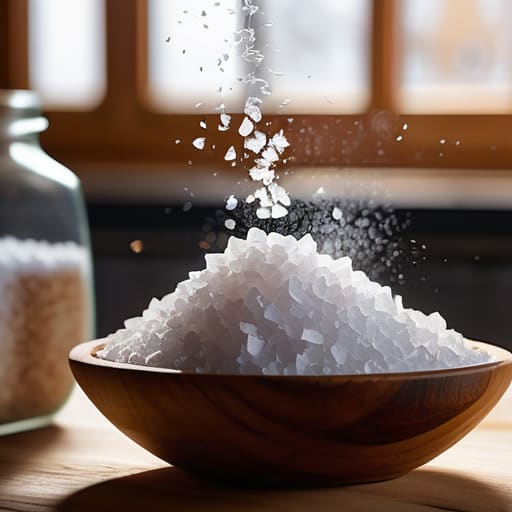
I used to think salt was just something that made food taste salty, but that was a massive oversight. In my kitchen, I treat salt as a precision tool rather than just a seasoning. If you’re using fine table salt, you’re likely overshooting the mark and making everything taste chemically sharp. I always keep a box of Kosher salt on hand because the larger, flaky crystals allow for much better control over how much you’re actually adding to a dish.
The Versatile Workhorse: Black Peppercorns
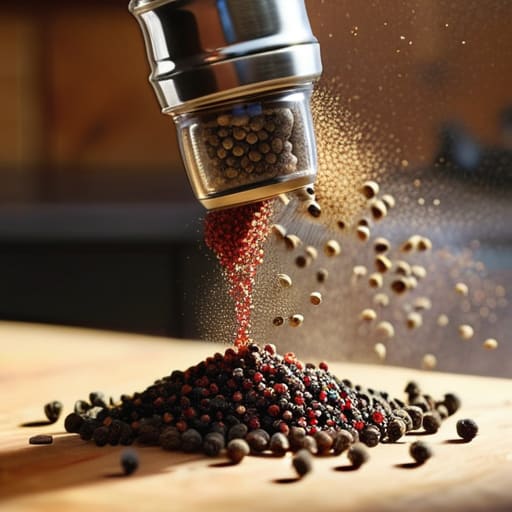
If you’re still using that pre-ground pepper sitting in a tin from three years ago, do yourself a favor and toss it. Pre-ground pepper loses its volatile oils almost immediately, leaving you with nothing but dusty, flavorless grit. I keep a simple, heavy-duty manual grinder in my drawer because the immediate hit of freshly cracked pepper is a complete game-changer for even the most basic eggs or toast.
The Warmth Factor: Smoked Paprika
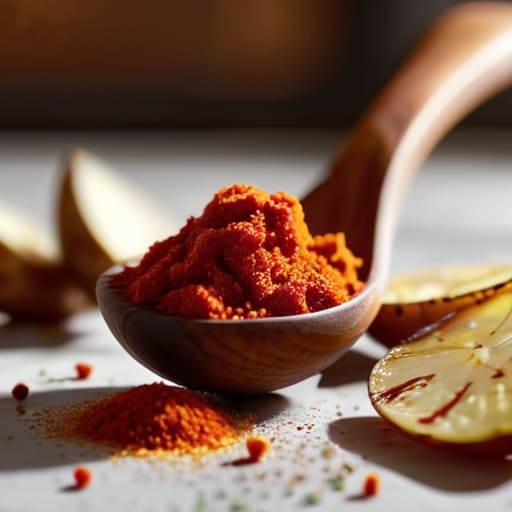
Most people treat paprika as a way to add color to a dish, but that’s a waste of its potential. I specifically stick to smoked paprika because it provides a deep, earthy dimension that mimics the flavor of a slow-cooked meal, even when I’m in a rush. It’s my secret weapon for adding “complexity” to roasted potatoes or simple chicken breasts without needing to pull out a dozen different ingredients.
The All-Purpose Anchor: Garlic Powder
I know, I know—fresh garlic is great. But let’s be realistic about a busy Tuesday night. There are times when I don’t have the luxury of peeling, mincing, and cleaning up a sticky cutting board. That’s where garlic powder earns its keep in my pantry. It provides a consistent, even distribution of flavor that fresh garlic sometimes struggles to achieve in dry rubs or heavy sauces.
The Brightener: Dried Oregano
When a dish feels heavy or flat, it usually lacks a certain brightness, and dried oregano is my go-to fix. It’s a staple because it bridges the gap between Mediterranean and Latin flavors with ease. I keep a jar of high-quality dried oregano for everything from tomato sauces to simple vinaigrettes. It adds a herbaceous backbone that makes everything taste a bit more “cooked” and seasoned.
The Heat Controller: Red Chili Flakes
I’m not a fan of “extreme” heat that numbs your palate; I prefer heat that complements the food. Red chili flakes are essential because they allow you to dial in the exact level of spice you want, moment by moment. Whether I’m tossing them into a pan of sautéed garlic or sprinkling them over a finished pizza, they provide a necessary sensory edge.
The Flavor Multiplier: Cumin
Cumin is the heavy hitter of the spice world. It has this incredible ability to ground a dish, providing a warm, nutty undertone that makes everything feel more substantial. I use it heavily in anything involving beans, lentils, or roasted root vegetables. It’s a high-impact ingredient that can define the entire direction of a meal with very little volume.
Keep It Simple, Keep It Functional
Look, you don’t need a spice rack that looks like a chemistry lab or a hundred different jars gathering dust in the back of your pantry. By sticking to these seven essentials—salt, pepper, garlic powder, onion powder, paprika, cumin, and dried oregano—you’ve already built a foundation that can handle almost any meal. These are the workhorses. They are the tools that allow you to move from “just eating” to actually creating something decent without needing a manual or a massive time investment. Once you have these basics organized and within reach, you’ve effectively removed the friction from your nightly cooking routine.
At the end of the day, my goal isn’t to turn you into a professional chef; it’s to help you reclaim your evening. Cooking should be a way to fuel yourself and unwind, not another complex project on an already overflowing to-do list. Start with this minimal setup, master the basics, and let the rest of the complexity come only when you actually feel the need for it. Stop overthinking the ingredients and just start cooking. You’ll find that once the system is set, the chaos of the kitchen fades away, leaving you with nothing but a good meal and a bit of much-needed headspace.