I’ll be honest: most of the advice you see online about “eco friendly home tips” feels like it was designed by someone with way too much free time and a massive budget. They want you to believe that living sustainably requires a complete lifestyle overhaul, a cabinet full of expensive glass jars, and a specialized compost bin that costs more than my first car. It’s exhausting. I’ve spent my career in systems engineering, and if there’s one thing I know, it’s that complexity is the enemy of execution. You don’t need to turn your life upside down to make a difference; you just need better systems.
I’m not here to sell you on a cult of perfection or a mountain of “green” products that are just more clutter for your shelves. Instead, I’m going to share the practical, high-impact swaps I’ve actually integrated into my own home to reduce waste without adding more mental load. My goal is to give you a streamlined blueprint of functional changes that save the planet and your sanity simultaneously. Let’s strip away the hype and get to what actually works.
Table of Contents
- Reduce Household Carbon Footprint Without the Complexity
- Effortless Energy Efficient Home Improvements for Busy Lives
- Five Low-Effort Swaps to Simplify Your Sustainable Routine
- The Bottom Line: Systems Over Sacrifices
- The Efficiency of Sustainability
- The Path to a Simpler, Greener Routine
- Frequently Asked Questions
Reduce Household Carbon Footprint Without the Complexity
Most people think going green requires a complete lifestyle overhaul, but that’s a recipe for burnout. If you try to do everything at once, you’ll end up doing nothing. I prefer a systems-based approach: find the leaks in your current routine and plug them. Start with your utilities. Small, energy efficient home improvements—like swapping out old incandescent bulbs for LEDs or installing a programmable thermostat—take almost zero effort once they’re set up, but they pay dividends in both your electric bill and your peace of mind.
Next, look at what you’re actually consuming. You don’t need to master zero waste living at home overnight to make a dent. Instead, focus on the high-frequency items. Swap your chemical-heavy sprays for simple eco friendly cleaning products that actually work without making you hold your breath while you scrub the kitchen. It’s about reducing the friction between being a responsible human and having a functional, clean space. If a system is too hard to maintain, it’s a bad system. Keep it simple, keep it repeatable, and let the results stack up.
Effortless Energy Efficient Home Improvements for Busy Lives
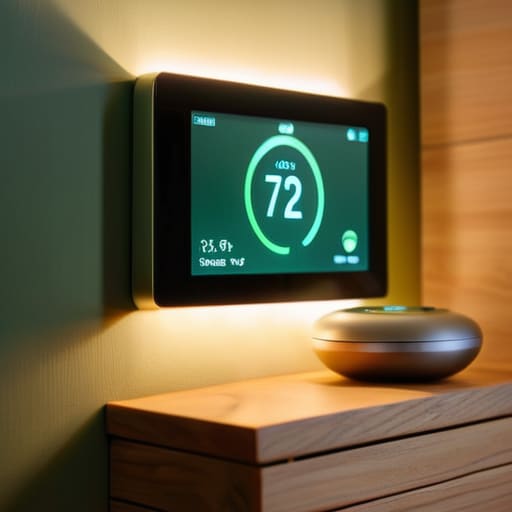
We don’t need a complete home renovation to see real results; we just need to stop letting energy leak out of our lives. I’ve always been a fan of systems, and your home’s energy usage is just another system to optimize. Start with the low-hanging fruit: swap those old incandescent bulbs for LEDs and get a smart thermostat. It’s a one-time setup that pays dividends in both your monthly bills and your peace of mind. These small energy efficient home improvements take less than an hour but act as a permanent filter against wasted resources.
Next, look at your windows and doors. If you can feel a draft, you’re essentially throwing money out the window. I keep a roll of weatherstripping in my kit for exactly this reason. Sealing those gaps is one of the most effective water conservation techniques and heat-retention strategies you can implement without breaking a sweat. It’s about creating a controlled environment so you can stop fighting your thermostat and start focusing on your actual work. Keep it simple, keep it sealed, and let the system do the heavy lifting for you.
Five Low-Effort Swaps to Simplify Your Sustainable Routine
- Audit your cleaning cabinet. Most of those neon-colored, heavy-scented sprays are just unnecessary chemical overhead. I swapped mine for a simple mix of white vinegar, water, and a few drops of essential oil. It works just as well, costs less, and doesn’t clutter my under-sink storage with twenty different plastic bottles.
- Stop the “phantom load” drain. Even when your tech is off, it’s likely pulling power. I use a few smart power strips for my desk setup and entertainment center. One click and everything is truly dead to the grid, saving me a few bucks on the utility bill and one less thing to worry about.
- Optimize your water usage with a simple timer. If you’re still hand-watering plants or letting the tap run while you brush your teeth, you’re wasting time and resources. I set a quick timer on my phone; it keeps me on task and ensures I’m not letting water run down the drain for no reason.
- Master the art of the “one-in, one-out” rule for consumables. Before you buy another bulk pack of paper towels or plastic wrap, check your inventory. I’ve moved to reusable beeswax wraps and cloth towels. It’s a small upfront investment that eliminates the constant cycle of buying, using, and throwing away plastic.
- Fix the leaks before they become projects. A dripping faucet isn’t just annoying; it’s a systemic failure in your home’s efficiency. Keep a small toolkit handy—I always keep my precision screwdriver and a few washers nearby—and fix those small drips the moment they happen so they don’t turn into a weekend-ruining plumbing disaster.
The Bottom Line: Systems Over Sacrifices
Stop chasing perfection; focus on high-impact swaps—like LED bulbs or reusable kitchen basics—that actually stick because they don’t demand extra maintenance.
Treat sustainability like an engineering problem: optimize your energy consumption first to save both the planet and your monthly budget.
Build small, repeatable habits into your existing routine so that being eco-friendly feels like a natural part of your day rather than another chore on your to-do list.
The Efficiency of Sustainability
“Sustainability isn’t about a radical lifestyle overhaul that leaves you exhausted; it’s about engineering small, intentional systems into your home that reduce waste and save you time simultaneously.”
Liam Anders Chen
The Path to a Simpler, Greener Routine
Look, I didn’t write this to give you a massive, overwhelming to-do list that sits gathering dust in your mental backlog. We’ve covered how to trim your carbon footprint by making smarter consumption choices and how to tighten up your home’s energy efficiency without needing a degree in thermodynamics. The goal isn’t to overhaul your entire existence overnight; it’s about implementing small, repeatable systems that work for you. Whether it’s swapping out a single appliance or finally getting around to sealing those drafty windows, these changes are designed to reduce friction in your daily life while doing something good for the planet.
At the end of the day, sustainability shouldn’t feel like a second job. If a “green” habit is so complicated that it breaks your workflow or drains your mental clarity, it’s not a sustainable system—it’s just more clutter. Focus on the high-impact, low-effort wins first. Once those become second nature, you’ll find that living more consciously actually creates more space for the things that truly matter. Stop waiting for the perfect, zero-waste moment to arrive. Just pick one thing, fix it, and move forward. You’ve got this.
Frequently Asked Questions
How much of an actual impact will these small changes make compared to the cost and effort involved?
Look, I get the skepticism. If you’re looking for a massive, overnight shift, these small tweaks won’t give you that. But I view this through a systems lens: it’s about compounding interest. Swapping a bulb or fixing a leak might feel negligible, but when you automate these small wins, you reduce waste and costs systematically. It’s not about being a perfect environmentalist; it’s about optimizing your home to run more efficiently with minimal friction.
Are there specific eco-friendly products that are actually durable, or am I just going to end up replacing them in six months?
Look, I hate planned obsolescence as much as the next guy. Most “eco” marketing is just a way to sell you more junk. If you want to stop the cycle of constant replacements, skip the flimsy bamboo gadgets and go for high-quality materials like stainless steel, glass, or solid wood. Invest in a single, heavy-duty beeswax wrap or a cast-iron skillet rather than a dozen cheap plastic alternatives. Buy once, buy well, and move on.
I'm already stretched thin; how do I integrate these habits without turning my daily routine into another massive project to manage?
Don’t try to overhaul your entire life in a weekend; that’s a recipe for burnout. Instead, use the “one-in, one-out” rule. When a lightbulb burns out, replace it with an LED. When you run out of dish soap, swap it for a refillable glass option. Integrate these changes only when a natural break in your current routine occurs. Treat it like a small system update, not a total OS reinstall.