I spent most of my twenties thinking that a bigger kitchen or a more expensive stove would somehow make my life feel more put together. I was wrong. The truth is, most of us aren’t struggling with a lack of space; we’re struggling with friction. We lose ten minutes every morning hunting for a lid that fits, or we turn a simple meal into a stressful ordeal because our tools are inefficient. I’ve spent years testing which items actually streamline a workflow and which ones are just expensive clutter destined for the back of a drawer. If you’re tired of the chaos, you need to stop impulse-buying junk and start focusing on the few kitchen gadgets worth buying that actually serve a functional purpose.
In this post, I’m cutting through the marketing noise to give you a curated list of five essentials. These aren’t just “cool” items you saw in a late-night infomercial; they are precision tools designed to reclaim your time and mental clarity. By the end of this list, you’ll know exactly how to build a high-efficiency kitchen setup that works for you, rather than you working for it.
Table of Contents
- A Chef’s Knife That Actually Cuts
- The Digital Scale for Precision
- An Immersion Blender for Quick Fixes
- High-Quality Cast Iron Skillet
- Magnetic Knife Strip for Organization
- The Bottom Line: Invest in Function, Not Novelty
- The Philosophy of the Tool
- Cutting Through the Clutter
- Frequently Asked Questions
A Chef’s Knife That Actually Cuts
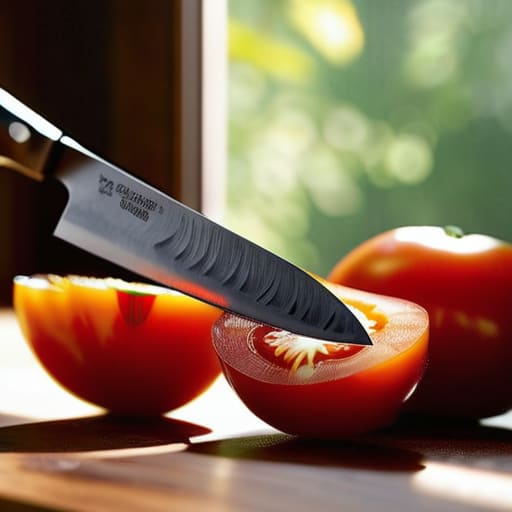
I spent way too many years trying to make do with those cheap, serrated sets you find in a grocery store aisle. It was a recipe for frustration, mostly because I was spending more time fighting with my food than actually preparing it. When I finally invested in a single, high-quality 8-inch chef’s knife, my entire approach to meal prep shifted from a chore to something almost meditative.
The Digital Scale for Precision
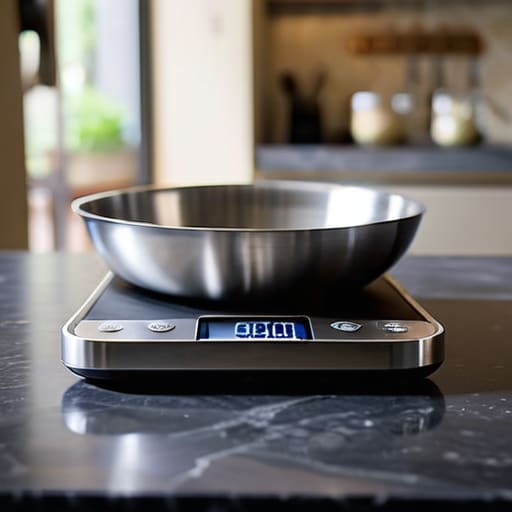
Coming from a systems engineering background, I have a natural aversion to “eyeballing” things, especially when it comes to consistency. In the kitchen, measuring ingredients by volume—cups, spoons, etc.—is a chaotic way to work that often leads to unpredictable results. I switched to a slim digital scale because it brings a level of mathematical certainty to my cooking that a measuring cup simply can’t provide.
An Immersion Blender for Quick Fixes
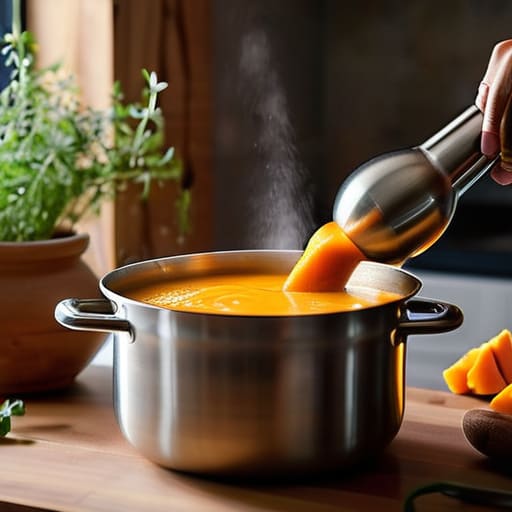
There was a time when making a simple soup or a quick sauce meant dragging out the heavy countertop blender, cleaning the bulky jar, and dealing with the inevitable splatter on my backsplash. That friction was enough to make me skip making homemade food altogether. The immersion blender changed that by allowing me to blend directly in the pot, which is a massive win for efficiency.
High-Quality Cast Iron Skillet
I’m a big believer in buying things once and buying them right. Most modern non-stick pans are disposable; they lose their coating after a year, and then you’re back to the store, wasting money and adding to the landfill. A heavy-duty cast iron skillet, however, is a piece of engineering excellence that actually gets better the more you use it.
Magnetic Knife Strip for Organization
My kitchen counters used to be a graveyard of mismatched utensil holders and cluttered knife blocks that took up way too much valuable real estate. I realized that my workspace was constantly cluttered, which directly impacted my ability to focus on the task at hand. Moving my knives to a wall-mounted magnetic strip was one of the simplest organizational wins I’ve ever implemented.
The Bottom Line: Invest in Function, Not Novelty
Prioritize tools that solve a recurring friction point in your daily routine rather than chasing the latest viral gadget.
Quality over quantity is the rule; one well-built, multi-purpose tool is worth more to your sanity than a drawer full of single-use plastic.
Your kitchen should serve you, not the other way around—if a tool adds more cleaning time than it saves in prep time, it doesn’t belong on your counter.
The Philosophy of the Tool
A kitchen gadget shouldn’t be another piece of clutter fighting for space on your counter; it should be a precision instrument that removes friction from your routine, turning a chaotic meal prep into a seamless, repeatable system.
Liam Anders Chen
Cutting Through the Clutter
At the end of the day, my goal isn’t to help you build a museum of expensive, shiny objects that sit idle in your cabinets. It’s about finding those few, reliable tools—like a sharp chef’s knife or a solid digital scale—that actually remove friction from your evening routine. Whether you’re prepping a quick weekday meal or tackling a more involved recipe, the right gear should act as an extension of your hands, not an obstacle in your way. Investing in quality over quantity means you spend less time digging through junk drawers and more time actually enjoying the process of making something delicious.
Don’t let the sheer volume of “must-have” kitchen trends overwhelm you. You don’t need a gadget for every niche task; you just need a few intentional systems that work every single time. Start small, buy things that are built to last, and prioritize function over aesthetic fluff. When your tools are reliable, your kitchen stops being a source of stress and starts being a space where you can actually find some peace. Strip away the excess, focus on the essentials, and go reclaim your time.
Frequently Asked Questions
Are there any specific high-end gadgets that are actually a waste of money for someone with a small kitchen?
Honestly? Stay far away from high-end stand mixers or massive multi-cookers if your counter space is precious. They’re beautiful, but they’re essentially heavy, expensive paperweights once you tuck them into a cupboard. For a small kitchen, luxury is about precision, not scale. Don’t let a “pro-sumer” appliance steal your workspace; you’ll end up fighting the machine more than you’re actually enjoying the meal. Stick to high-quality, compact essentials instead.
How do I know if a gadget is built to last or if it's just going to end up in a landfill in six months?
Look for weight and material. If it’s lightweight, hollow-sounding plastic, it’s likely junk. I always look for solid stainless steel, heavy-duty silicone, or wood. Check the joints and moving parts—if they feel loose or “wiggly” in the box, they won’t survive a year of real use. Most importantly, check if parts are replaceable. A gadget that’s impossible to repair is just future landfill. Buy for the repair, not just the function.
For someone with a busy work schedule, which of these tools actually saves meaningful time versus just being a novelty?
Look, if you’re drowning in a back-to-back schedule, ignore the “aesthetic” gadgets. They’re just more clutter to clean. For real time savings, focus on the chef’s knife and the immersion blender. A sharp knife turns prep from a twenty-minute slog into a five-minute task, and the blender handles sauces or soups while you’re actually checking emails. If a tool doesn’t shave minutes off your workflow or reduce mental friction, it’s just a novelty.