I spent years thinking a productive evening routine required a $50 silk sleep mask, a ten-step skincare ritual, and a curated playlist of ambient rainforest sounds. It was total nonsense. In reality, I was just adding more maintenance tasks to a day that was already draining my battery. I used to sit at my desk at 11:00 PM, staring at a half-disassembled mechanical keyboard, feeling the mental fog roll in while my to-do list for tomorrow loomed like a threat. I wasn’t relaxing; I was just performing a complex series of chores that left me more exhausted than when I started.
I’m done with the fluff, and I assume you are too. In this guide, I’m stripping away the aesthetic nonsense to give you a functional framework for an evening routine that actually works. We aren’t going to talk about “manifesting peace” or buying expensive gadgets; instead, I’m going to show you how to use simple, systems-based habits to decompress your brain and prep your environment. My goal is to help you stop managing your exhaustion and start reclaiming your time.
Table of Contents
Ditch the Chaos With a Digital Detox Before Bed

I see it all the time: you’re exhausted, but your brain is still running at a hundred miles per hour because you spent the last hour scrolling through endless feeds. That blue light isn’t just a nuisance; it’s a direct assault on your ability to wind down. If you want to actually reclaim your rest, you need a strict digital detox before bed. I started by setting a “tech curfew” at 9:00 PM. No more emails, no more news cycles, and definitely no more doomscrolling. I move my phone charger to the kitchen, far away from my nightstand, so the temptation to reach for it in the dark disappears.
Replacing that screen time with a few relaxing bedtime activities changes the entire chemistry of your night. Instead of absorbing high-stress information, I spend twenty minutes reading a physical book or just sitting with my thoughts. This isn’t about being “zen” for the sake of it; it’s about practical improving sleep quality through environmental control. When you remove the digital noise, you stop reacting to the world and start preparing your body for actual, restorative rest.
Streamline Your Night With Effective Sleep Hygiene Tips
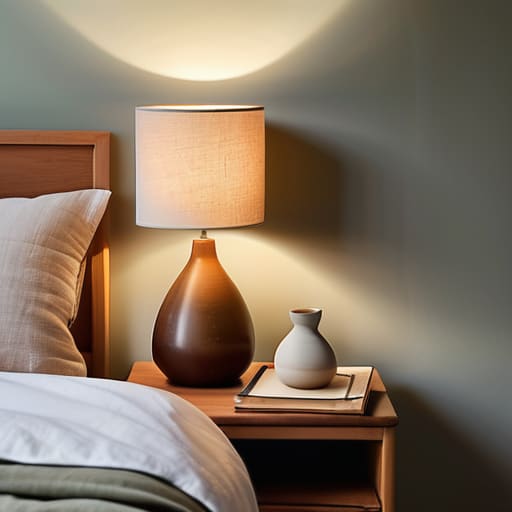
Once you’ve put the phone away, you need to address the environment you’re actually sleeping in. I used to think sleep was just something that happened when I finally collapsed, but I realized that improving sleep quality starts with the physical space. It’s about reducing friction. Keep your room cool, dim the lights an hour before you intend to drift off, and treat your bed like a sanctuary, not an extension of your desk. If your brain is still racing with tomorrow’s to-do list, your body won’t follow suit.
Instead of staring at the ceiling, I’ve found that integrating small, relaxing bedtime activities makes a massive difference. This isn’t about adding more tasks to your plate; it’s about low-effort transitions. I personally swear by a few simple evening self-care rituals, like reading a physical book or even just doing a quick stretch to release the tension from sitting at a desk all day. The goal isn’t perfection—it’s about signaling to your nervous system that the workday is officially over.
Five Small Systems to Reclaim Your Night
- Prep your “Launchpad” for tomorrow. I don’t believe in decision fatigue in the morning, so I spend ten minutes laying out my clothes and packing my bag tonight. If it’s ready by the door, you’ve already won half the battle before your coffee even brews.
- Use the “Brain Dump” method. If my mind is racing with tasks for tomorrow, I pull out my notebook and write them down. Once it’s on paper, my brain stops trying to loop the information, and I can actually settle into sleep.
- Set a hard “Shutdown” ritual. Just like a system powering down, you need a clear signal that work is over. Close the laptop, clear your desk, and physically move away from your workspace to create a mental boundary between “doing” and “being.”
- Automate your environment. I use smart plugs to dim the lights and set the thermostat to a cooler temperature an hour before bed. Don’t rely on willpower to create a sleep environment; use simple tech to do the heavy lifting for you.
- Audit your “friction points.” If you find yourself struggling to get to bed, look for the small things slowing you down—like a messy kitchen or a disorganized nightstand. Fix the small mechanical failures in your routine so the transition to sleep is seamless.
The Bottom Line: Systems Over Willpower
Stop relying on motivation to fix your sleep; build a repeatable sequence of small, friction-free actions that guide you toward rest.
Treat your evening routine like a well-oiled machine—remove the digital noise and environmental distractions so the transition to sleep becomes automatic.
Focus on consistency over perfection; even a stripped-back, five-minute version of your routine is better than total chaos.
The Philosophy of the Reset
“An evening routine isn’t about adding more tasks to your to-do list; it’s about building a system that shuts down the noise so you can actually wake up ready to run.”
Liam Anders Chen
Reclaiming Your Evening

At the end of the day, a solid evening routine isn’t about adding more tasks to your to-do list; it’s about removing the friction that keeps you from resting. We’ve talked about why a digital detox is non-negotiable to quiet your brain and how tightening up your sleep hygiene creates a predictable environment for your body to shut down. When you stop fighting against a messy schedule and start implementing these small, repeatable systems, you stop being a passenger to your own exhaustion. It’s about building a foundation that supports your goals rather than one that drains your energy before the sun even comes up.
I know it feels easier to just collapse onto the couch and scroll through your phone for two hours, but that’s a temporary fix that leaves you feeling more depleted tomorrow. Real productivity isn’t about how much you can grind; it’s about how well you can recover. Use these tools to strip away the complexity of your nights so you can wake up feeling like you’re actually in control. You don’t need a perfect, cinematic lifestyle to find peace—you just need a few reliable systems that work for you. Now, put the phone down, grab that notebook, and start reclaiming your time.
Frequently Asked Questions
What do I do if my job requires me to be "on call" or check emails late into the night?
Look, I get it. Sometimes the job doesn’t care about your sleep hygiene. If you’re on call, you can’t just “turn it off,” but you can control the friction. Set your phone to a specific “on-call” ringtone so you don’t jump every time a random notification hits. Use a dedicated device if possible, or at least a separate workspace. If you have to work, keep it brief, log it, and get back to your wind-down immediately. Don’t let a single email turn into a two-hour spiral.
How much time should I actually be spending on this routine before it starts feeling like another chore on my to-do list?
Look, if your routine feels like a heavy lift, you’ve over-engineered it. I made that mistake early on. Aim for 20 to 30 minutes. That’s enough to signal to your brain that the workday is dead, but not so much that you’re checking off boxes like a chore. If it takes an hour, you aren’t relaxing; you’re performing. Keep it lean. The goal is friction reduction, not adding more tasks to your plate.
I struggle with late-night snacking; is there a way to build a routine that manages food cravings without being overly restrictive?
Stop treating late-night snacking like a moral failure and start treating it like a system error. If you’re raiding the pantry at 11 PM, your daytime fuel plan is likely broken. Instead of banning snacks, build a “buffer meal”—something high-protein and low-effort—to eat an hour before your wind-down begins. If the craving hits anyway, keep a single, pre-portioned option ready. Don’t fight your hunger; just engineer the environment so it doesn’t hijack your rest.