I was sitting at my desk last Tuesday, mid-way through a delicate teardown of a vintage IBM Model M, when I realized I’d spent the last forty minutes scrolling through a mindless news feed instead of actually working. My phone sat there, glowing with every useless notification, acting like a parasite on my focus. Most “productivity gurus” will tell you that you need a $500 subscription to a complex task-management app or a complete digital detox in a mountain cabin to fix this. They’re wrong. The truth is, most of the popular strategies for managing digital distractions are just more noise designed to make you feel like you’re “optimizing” when you’re actually just procrastinating with better tools.
I’m not here to sell you a lifestyle overhaul or a complicated system that requires a manual to operate. My approach is much simpler: we are going to strip away the fluff and focus on small, repeatable systems that actually work in the real world. I’m going to share the exact, no-nonsense tactics I use to reclaim my headspace and keep my tools—and my mind—functioning exactly how they should. Let’s stop fighting our devices and start building a setup that actually serves us.
Digital Minimalism Techniques to Strip Away the Noise
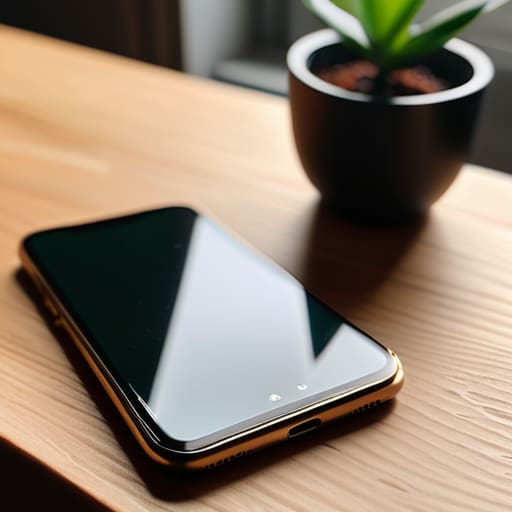
First, we need to talk about your home screen. Most of us treat our smartphones like a junk drawer, piling up apps that serve no purpose other than to ping us every five minutes. I started by ruthlessly auditing my device, deleting anything that didn’t serve a specific, functional need. If an app is designed solely to keep you scrolling, it goes. By minimizing smartphone interruptions at the source, you stop the constant dopamine loops that fracture your attention.
Next, I recommend a “grayscale” approach to your display. It sounds simple, but stripping away the vibrant colors makes the interface significantly less stimulating. When your screen looks like a dull newspaper instead of a neon playground, you’ll find yourself naturally reducing screen time fatigue and putting the phone down sooner. It’s about lowering the cognitive load and technology friction that keeps you tethered to the glass. We aren’t trying to live like monks; we’re just trying to ensure that when we pick up a tool, it’s because we actually need it, not because we’re reacting to a ghost vibration in our pockets.
Minimizing Smartphone Interruptions for Real Presence

The smartphone is the ultimate productivity killer because it’s designed to be a slot machine in your pocket. We’ve all been there: you pick it up to check a single calendar invite, and forty minutes later, you’re spiraling through a social media feed you didn’t even want to see. To fix this, I started treating my phone like a tool rather than an appendage. My first rule is simple: if it doesn’t require an immediate response, it doesn’t get a buzz. I’ve moved almost every non-essential app to a folder on my second home screen, effectively minimizing smartphone interruptions by adding friction to the mindless scrolling habit.
Beyond just hiding apps, you need to address the constant sensory assault. Managing notification overload isn’t just about being polite; it’s about protecting your mental bandwidth. Every time a light flashes or a chime rings, your brain pays a tax in the form of increased cognitive load. I recommend switching your display to grayscale during work hours. It makes the interface look boring—almost lifeless—which is exactly what you want when you’re trying to prioritize improving deep work focus. When the screen stops looking like a neon playground, your brain finally stops craving the hit.
Five Systems to Reclaim Your Focus
- Audit your notifications with zero mercy. If an app isn’t a direct communication from a human being regarding something urgent, turn its alerts off. You don’t need a buzz in your pocket just because someone liked a photo or a game wants you to play.
- Build a “Phone Parking Lot.” Pick a spot—a drawer, a shelf, or a specific basket—that isn’t your desk or your nightstand. When you sit down to work or eat, the phone goes there. Out of sight, out of mind, and away from your reach.
- Use the “Single-Tab Rule” for deep work. If you’re researching or writing, try to keep only the tabs open that are strictly necessary for that specific task. Every extra open tab is just a visual reminder of another distraction waiting to pull you away.
- Schedule your digital consumption. Instead of scrolling every time you hit a lull in your day, set specific blocks—maybe 15 minutes after lunch or once in the evening—to catch up on news and social media. Treat it like a task, not a default state.
- Clean your digital workspace every Sunday. Delete the temporary files, clear your desktop icons, and close those twenty browser windows you’ve been “meaning to read.” Starting Monday with a clean slate prevents that immediate sense of mental clutter.
Reclaiming Your Focus

At the end of the day, managing digital distractions isn’t about achieving some impossible state of perfect zen; it’s about building a toolkit that works for you. We’ve talked about stripping away the unnecessary noise through digital minimalism and setting hard boundaries with your smartphone to ensure you aren’t just reacting to every ping and buzz. By implementing these small, repeatable systems—whether it’s cleaning up your desktop or silencing non-essential notifications—you are effectively lowering the friction between you and your actual goals. It’s about moving away from a reactive existence and toward a state of intentional action.
I know how easy it is to fall back into the trap of mindless scrolling when things get stressful, but remember why you started this process in the first place. You didn’t set these boundaries just to follow a productivity trend; you did it to get your time back. Every time you choose to put the phone down or ignore a trivial notification, you are choosing to invest in yourself and the people around you. Stop letting your devices dictate your attention. Build your systems, protect your focus, and start spending your time on what actually matters.
Beyond just tweaking your settings, I’ve found that true focus often comes down to how we manage our unstructured downtime. When I’m not deep in a project, I try to avoid the mindless scrolling trap by finding more intentional ways to connect with people or explore new interests. If you find yourself looking for more meaningful ways to spend your evenings, sometimes exploring reife frauen suchen sex can be a way to step outside your digital bubble and engage with the real world. The point is to make sure your downtime is actually recharging your battery rather than just draining your attention span further.