I used to think that a high-end, custom-built mudroom with designer cubbies was the only way to achieve true home entry organization. I was wrong. I spent way too much money on aesthetic storage solutions that looked great in a magazine but completely failed the moment my actual life—keys, mail, heavy bags, and damp umbrellas—hit them. There is nothing more frustrating than buying a “system” that actually adds more complexity to your morning routine instead of stripping it away. You don’t need a renovation; you need a functional workflow that respects how you actually move through your space.
I’m not here to sell you on expensive furniture or complicated decluttering philosophies that take weeks to implement. Instead, I’m going to show you how to build a minimalist, high-utility system using the same logic I apply to my engineering projects. We are going to focus on small, repeatable habits and smart, low-cost tools that solve the real friction points. My goal is to help you stop fighting your front door so you can finally reclaim your morning and start your day with a clear head.
Table of Contents
Small Entryway Decluttering Tips to Reclaim Your Space
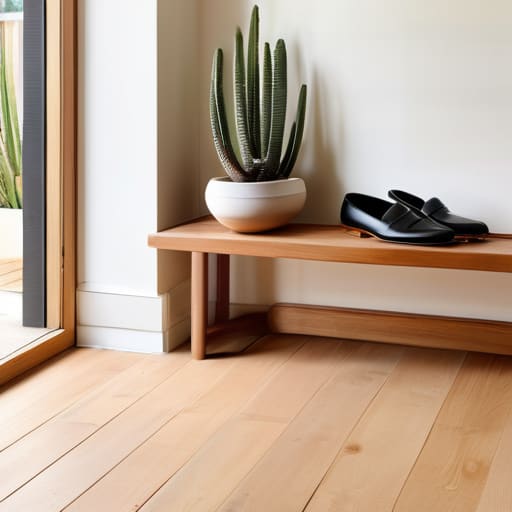
If your entryway feels more like a dumping ground than a transition zone, you don’t need a massive renovation; you just need to stop the bleeding. Start by auditing what actually belongs there. Most people hoard “temporary” items—mail, random shopping bags, or shoes from guests three weeks ago—until they become permanent fixtures. I’ve found that the most effective small entryway decluttering tips involve a strict “one-in, one-out” rule for seasonal gear. If it’s summer, those heavy boots shouldn’t be sitting by the door. Clear the floor first; once you can see the actual baseboards, the space will immediately feel less suffocating.
Once the junk is gone, focus on verticality. When floor space is at a premium, stop trying to cram everything into a single corner. I’m a big believer in using an entryway bench with storage to bridge the gap between aesthetics and utility. It gives you a place to sit while lacing up, but more importantly, it hides the visual chaos of mismatched slippers and umbrellas. If you can tuck the clutter out of sight, you’ll stop feeling that immediate wave of stress the second you walk through the door.
Smart Mudroom Storage Solutions for a Frictionless Life
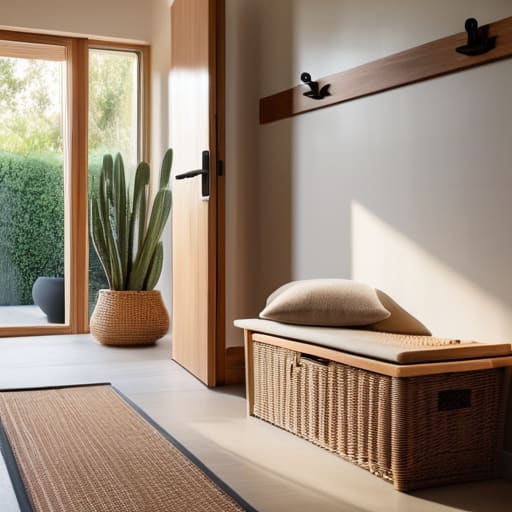
If you have even a tiny bit of dedicated space, stop treating it like a dumping ground and start treating it like a transition zone. I’ve learned that the secret to a frictionless morning isn’t more space; it’s better systems. An entryway bench with storage is my absolute go-to for this. It serves a dual purpose: it gives you a stable place to sit while tugging on boots, and more importantly, it hides the visual noise of seasonal gear or stray sports equipment. When everything has a designated “home” tucked out of sight, your brain doesn’t have to process the clutter the second you walk through the door.
For those of us juggling more than just our own gear, I highly recommend setting up a command center for families. This doesn’t need to be an expensive custom build. A simple wall-mounted station with a dry-erase calendar, a dedicated spot for mail, and a few heavy-duty hooks can prevent that mid-week scramble for permission slips or car keys. The goal is to eliminate the “micro-stresses” that eat away at your mental clarity before you’ve even finished your first cup of coffee.
Five Low-Friction Systems to Keep the Chaos at Bay
- Establish a “Launchpad” for your essentials. Pick one specific spot—a small tray or a dedicated hook—for your keys, wallet, and sunglasses. If it’s not in your hand or in its designated spot, it doesn’t exist. This eliminates that frantic five-minute scavenger hunt every morning.
- Implement a “One-In, One-Out” rule for footwear. Entryways fail when they become a graveyard for shoes you haven’t worn in months. If you bring a new pair of boots into the house, an old, beat-up pair needs to be donated or moved to long-term storage.
- Use vertical space to fight floor clutter. If you’re tripping over piles, stop looking at the floor and start looking at the walls. Install heavy-duty hooks for bags and coats; getting things off the ground immediately makes a cramped space feel breathable.
- Create a “Mail Processing Station” right at the door. Don’t let junk mail migrate to the kitchen counter or the dining table. Keep a small bin or a slim file folder near the entrance to sort through the paper trail immediately so it never becomes a mountain of clutter.
- Set up a dedicated charging zone. I’ve learned the hard way that a messy entryway often starts with tangled cables. Use a small, organized docking station for your phone or tablet near the door so you can top off your battery while you’re grabbing your keys.
The Bottom Line: Systems Over Stuff
Stop trying to organize clutter; if it doesn’t have a designated “home” in your entryway, it’s just more friction in your morning routine.
Invest in tools that actually work—think sturdy hooks and dedicated bins—rather than decorative pieces that fail the moment you actually use them.
Build a system that works for your real, messy life, not a Pinterest version of it, so you can grab your keys and go without a second thought.
The Philosophy of the Threshold
Your entryway isn’t just a place where you drop your keys; it’s the buffer zone between the chaos of the outside world and the peace of your home. If that transition is cluttered, your entire day will feel heavy before you even step through the door.
Liam Anders Chen
Reclaiming Your Morning Momentum
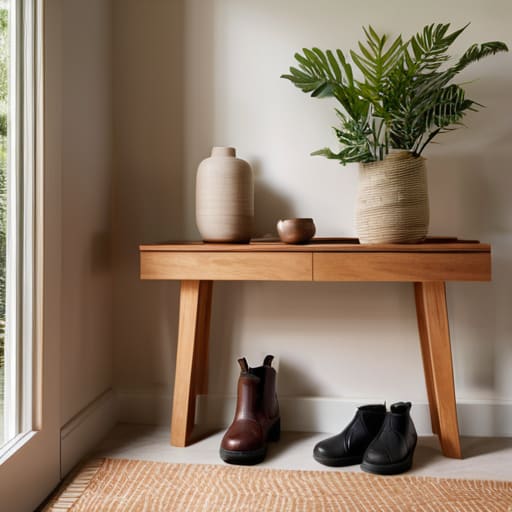
At the end of the day, organizing your entryway isn’t about achieving some unrealistic, magazine-perfect aesthetic; it’s about removing the friction from your daily transitions. By decluttering those piles of mail, implementing smart storage for your gear, and creating a dedicated spot for the essentials, you are essentially building a system that works for you instead of against you. We’ve covered how to manage small spaces and how to optimize your mudroom, but the real win is the mental clarity that comes when you no longer have to hunt for your keys or trip over a stray boot just to get out the door.
I know how easy it is to let these small chaotic zones slide, especially when life gets busy. But remember, your home should be a place that supports your goals, not a series of obstacles you have to navigate. When you fix your entryway, you aren’t just tidying a room; you are reclaiming your time and your focus. Start small, stay consistent with your new systems, and watch how much more headspace you have for the things that actually matter. You’ve got this.
Frequently Asked Questions
I live in a tiny apartment with zero closet space; how do I organize an entryway when there’s literally nowhere to put anything?
When you’re working with zero square footage, you have to stop thinking horizontally and start thinking vertically. If you can’t go out, go up. I use heavy-duty command hooks on the back of the door for bags and umbrellas, and a slim, wall-mounted floating shelf for keys. It keeps the floor clear and the chaos contained. Don’t try to buy a big cabinet; just find every inch of wall space you can reclaim.
How do I keep my family from ignoring the system I just built and turning the floor into a shoe graveyard again?
The hard truth? If your system requires a manual, it’s already failed. A system only works if it’s easier to use than the alternative. Don’t fight your family; redesign the friction. If they’re dropping shoes on the floor, your bins are too high, too hidden, or too much work. Switch to open baskets or low hooks. Make the “right” choice the path of least resistance. If it’s not effortless, it won’t stick.
What are some low-maintenance organization hacks for people who don't have the time to tidy up every single day?
If you’re too busy to tidy daily, stop trying to “clean” and start designing for automation. Use open bins instead of drawers—if you have to open a lid to put something away, you won’t do it. Install heavy-duty hooks at eye level for bags and coats; hanging something is infinitely easier than folding it. The goal isn’t perfection; it’s creating a system where “putting things away” takes less than three seconds.