I used to think that mastering how to freeze food meant buying a dozen specialized vacuum sealers and color-coded silicone bags that cost more than my monthly grocery bill. I spent way too many Sunday afternoons staring at a mountain of leftovers, feeling like I needed a degree in food science just to keep a batch of chili from turning into a block of freezer burn. It’s a massive, unnecessary drain on your time and your wallet, and frankly, the “expert” advice out there is often just more clutter you don’t need.
I’m not here to sell you a lifestyle or a complicated gadget system. Instead, I want to show you how to build a functional system for your kitchen that actually works with your busy schedule. I’m going to break down the most efficient, low-maintenance ways to prep and store your meals so you can stop worrying about waste and start reclaiming your evenings. This is about stripping away the complexity and getting back to what matters: eating well without the chaos.
Table of Contents
- The Minimalists Blueprint for Best Practices for Food Storage
- Vacuum Sealing for Long Term Storage Without the Complexity
- Five Rules to Stop Your Freezer from Becoming a Black Hole
- The Bottom Line for Your Freezer
- The Philosophy of the Freezer
- Final Thoughts on Mastering Your Freezer
- Frequently Asked Questions
The Minimalists Blueprint for Best Practices for Food Storage
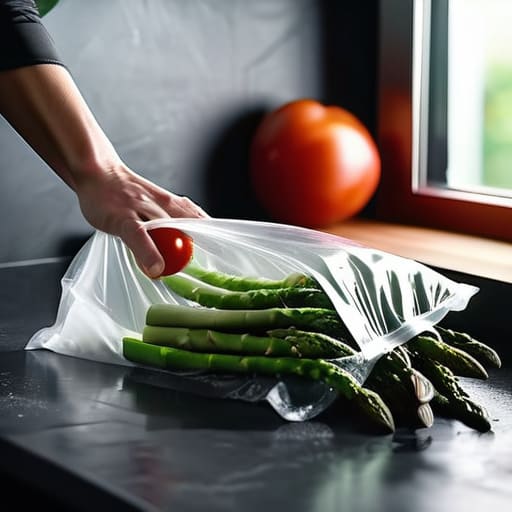
To get this right, you need to stop treating your freezer like a black hole where leftovers go to die. The secret isn’t just about temperature; it’s about air management. Air is the enemy of freshness. If you want to master the best practices for food storage, you have to prioritize airtight seals. I’ve found that vacuum sealing for long term storage is the ultimate game-changer—it eliminates the air pockets that lead to that nasty, icy texture we all hate. If you don’t have a vacuum sealer, don’t sweat it; just ensure your containers are packed tight and your bags are squeezed completely dry of any excess air before sealing.
Another thing I’ve learned from years of managing a busy kitchen is that consistency saves time. When you’re preventing freezer burn, the goal is to create a barrier between the food and the frost. I always recommend portioning things out into single-use servings. There is nothing more frustrating than thawing a massive block of meat only to realize you only needed a small portion. Treat your freezer like a well-organized toolkit: everything should be labeled, dated, and easy to grab.
Vacuum Sealing for Long Term Storage Without the Complexity
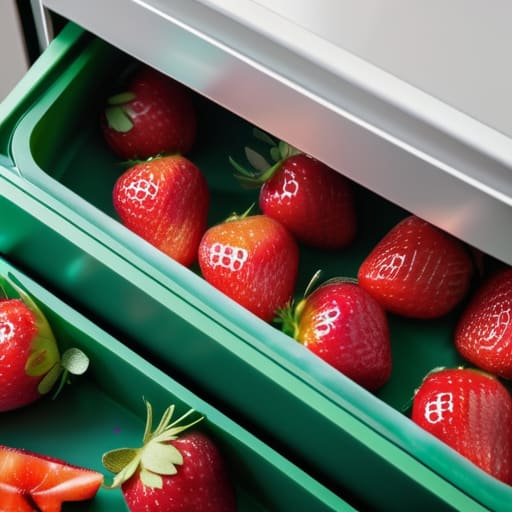
If you’re serious about reclaiming your time and cutting down on grocery waste, vacuum sealing is the heavy hitter of the group. I used to think these machines were just for professional chefs or people with way too much counter space, but once I integrated a compact sealer into my system, everything changed. By removing the oxygen that causes ice crystals to form, you are essentially preventing freezer burn at the source. It turns a messy drawer of half-frozen bags into a streamlined, stackable library of ingredients.
The trick to doing this without turning it into a second job is to keep it modular. Don’t try to seal everything at once; instead, focus on portioning out your proteins or bulk grains into single-use sizes. This is one of the most effective vacuum sealing for long term storage tactics because it eliminates the need to thaw a massive block of meat just to use one small portion. It’s about creating a system that works for your future self, ensuring that when you finally have a free evening, your ingredients are actually ready to go.
Five Rules to Stop Your Freezer from Becoming a Black Hole
- Flash freeze your small stuff. Don’t just toss a bag of berries or loose herbs into the freezer in a clump; spread them out on a tray for an hour first. This prevents them from turning into one giant, unusable ice brick.
- Label everything with a Sharpie and a date. I can’t tell you how many times I’ve pulled out a mystery container only to realize it’s six months old and smells like nothing. If it doesn’t have a date, it’s just clutter.
- Get the air out. Air is the enemy of freshness. Whether you’re using a vacuum sealer or just squeezing every bit of oxygen out of a heavy-duty freezer bag, minimizing that space is the difference between fresh food and freezer burn.
- Portion control is your best friend. Stop freezing entire family-sized packs of meat if you only ever cook for one or two. Divide everything into single-meal servings before they go in; it saves time and prevents unnecessary thawing.
- Flatten your bags. When you’re packing bags, lay them flat on a tray or directly on the shelf. This makes them stackable like files in a cabinet, which keeps your freezer organized and lets you see exactly what you have at a glance.
The Bottom Line for Your Freezer
Stop overthinking the gear; if you don’t have a vacuum sealer, just grab some decent airtight containers and start freezing what you actually eat.
Treat your freezer like a system—label everything with a sharpie and a date so you aren’t playing “mystery defrost” when you’re hungry on a Tuesday night.
Invest in quality over quantity by freezing portions that match your actual lifestyle, ensuring nothing sits in the back of the freezer until it’s unrecognizable.
The Philosophy of the Freezer
“Freezing isn’t just about preservation; it’s about building a buffer against the chaos of a busy week. When you prep with intention, you’re not just saving ingredients—you’re buying back your own time.”
Liam Anders Chen
Final Thoughts on Mastering Your Freezer
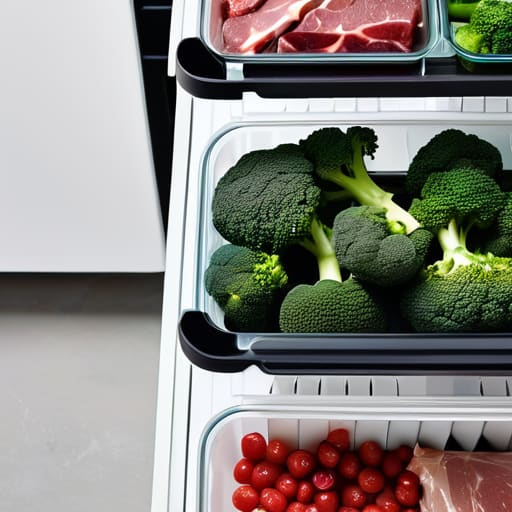
At the end of the day, freezing food isn’t about becoming a professional chef or a survivalist; it’s about building a simple system that works for you. We’ve covered the essentials: using airtight containers to prevent freezer burn, opting for vacuum sealing when you need to go long-term, and keeping your organization tight so nothing gets lost in the back of the drawer. If you follow these steps, you’ll stop treating your freezer like a black hole and start seeing it as a strategic tool for your weekly routine. Once you get the containers and the labeling down, the mental load of “what’s for dinner” practically vanishes.
I know life gets chaotic, and sometimes the last thing you want to do is manage a pantry. But I promise you, the ten minutes you spend prepping and freezing today will buy you hours of undistracted freedom later in the week. Don’t aim for perfection on day one—just start with one batch of something you love. Strip away the complexity, set up your system, and let the prep work do the heavy lifting for you. You aren’t just saving food; you’re reclaiming your time.
Frequently Asked Questions
Do I really need to wrap things twice, or is one layer of plastic enough to prevent freezer burn?
Look, if you’re asking this, you’re probably looking for the most efficient way to do it without turning your kitchen into a plastic wasteland. Here’s the truth: one layer is fine if it’s high-quality and airtight, but for things like meat, I always go for two. Think of it as a fail-safe. One layer of wrap plus a heavy-duty freezer bag adds that extra barrier against air—the real enemy of freshness.
How long can I actually keep things in there before the quality starts to tank?
Look, I’m not a fan of guesswork, but there’s a real difference between “safe” and “good.” Most things stay edible for months, but if you want to actually enjoy your meal, timing is everything. Think of it this way: meats and heavy stews are fine for 3–6 months. Delicate stuff, like berries or leafy greens, starts losing its soul after about 2 months. If it’s freezer-burned, don’t bother—just toss it.
Is it worth investing in a vacuum sealer, or can I get decent results with just basic freezer bags?
Look, if you’re just freezing a few portions of leftovers or some berries for smoothies, don’t bother with the extra gear. High-quality freezer bags and a good squeeze of air will get the job done. But, if you’re serious about bulk prepping or want to stop freezer burn from ruining your expensive cuts of meat, a vacuum sealer is a game-changer. It’s an investment in efficiency—less waste, more time, less clutter.