I used to think that mastering the pantry meant buying those expensive, pre-seasoned microwave pouches or spending three hours hovering over a stove like a nervous amateur. I was wrong. For a long time, I treated dried legumes like some complex engineering problem that required a manual, only to end up with either mushy, tasteless sludge or beans so hard they could break a tooth. But once I stripped away the culinary fluff and applied a bit of systems thinking to how to cook beans and lentils, everything changed. It’s not about fancy equipment or gourmet spices; it’s about understanding the mechanics of heat and hydration.
I’m not here to give you a lecture or a list of ingredients you can’t find at a local grocer. Instead, I’m going to give you a streamlined, repeatable system that works every single time. I’ll show you the exact ratios and timing you need to achieve perfect texture without the guesswork. My goal is to help you master how to cook beans and lentils with zero wasted motion, so you can stop worrying about your dinner and get back to your actual life.
Table of Contents
The Art of Soaking Dried Legumes Without the Effort
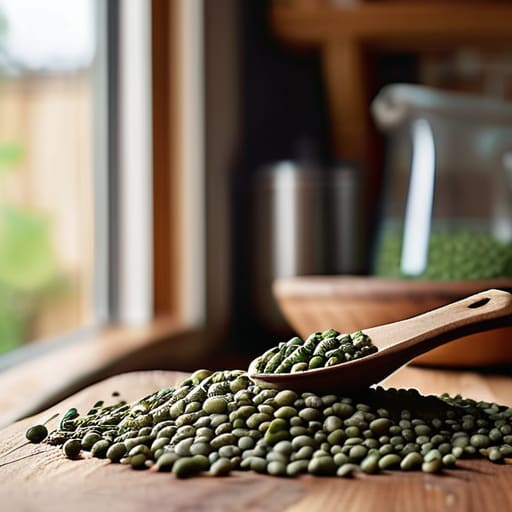
I used to think soaking was some sacred, time-consuming ritual that required constant supervision. In reality, it’s just a simple way to prep your ingredients so they actually behave when they hit the heat. If you’re looking to save time, the easiest method is the overnight soak: toss your beans in a large bowl, cover them with a few inches of water, and let them sit while you sleep. This isn’t just about softening the skins; it’s one of the most effective ways of how to prevent gas from beans by breaking down those complex sugars that cause digestive issues.
If you’re running late and forgot to plan ahead, don’t panic. You can use the “quick soak” method—bring them to a boil for a few minutes, then let them sit off the heat for an hour. It’s a bit of a workaround, but it works. For those of us who live by the clock, I usually skip the soak entirely and rely on stovetop legume preparation with a slightly longer simmer time. Just remember: if you skip the soak, you’ll need to adjust your expectations on texture.
Stovetop Legume Preparation for the Busy Minimalist
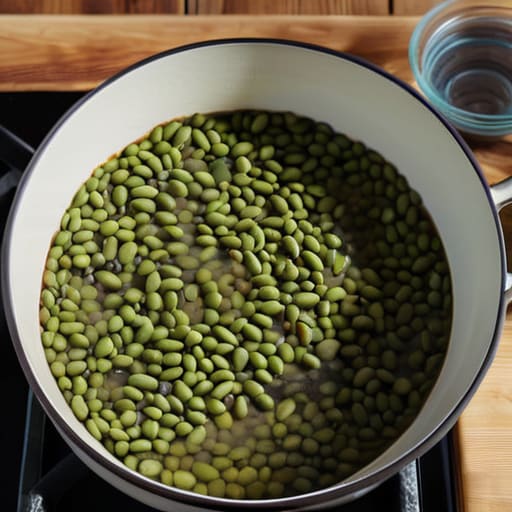
Once you’ve finished the soak, it’s time to actually get them on the heat. For most of my weeknight meals, I stick to simple stovetop legume preparation because it doesn’t require me to babysit a high-tech gadget. Grab a heavy-bottomed pot—something that distributes heat evenly—and cover your beans with at least two inches of fresh water. I’ve learned the hard way that using the soaking liquid is a mistake; always discard it and start with clean water to help prevent gas from beans and ensure a cleaner flavor profile.
The real trick to staying efficient is knowing your variables. While dried beans can take an hour or more, the cooking times for different lentils are much more forgiving, often taking as little as 15 to 20 minutes. Don’t rush the process by cranking the heat to high; a gentle simmer is your best friend. It keeps the texture consistent rather than turning the outsides to mush while the insides stay chalky. Once they hit that perfect tender state, add your salt and aromatics. Timing is everything when you’re trying to transition from a busy workday to a real meal.
Five Ways to Streamline Your Legume Game
- Don’t salt your water too early. It’s a common mistake that can toughen the skins of certain beans; wait until they’re nearly tender before adding salt to ensure a consistent texture.
- Use aromatics to save time on seasoning. Instead of measuring out a dozen spices, just toss a smashed garlic clove, a bay leaf, or a piece of kombu into the pot while they simmer. It builds flavor from the inside out.
- Invest in a decent pressure cooker if you’re short on time. If you’re in a rush and can’t wait for the slow simmer, a pressure cooker turns a multi-hour job into a twenty-minute task with zero guesswork.
- Keep a “flavor base” in your fridge. I keep a small jar of mirepoix (finely diced onion, carrot, and celery) ready to go. Dropping a spoonful into the pot adds instant depth without you having to chop everything from scratch every single time.
- Use the leftover cooking liquid. That starchy, flavorful water isn’t waste—it’s liquid gold. Use it as a base for soups or stews to add body and nutrition without needing heavy thickeners.
The Minimalist's Cheat Sheet for Legumes
Don’t fear the soak; even a quick 30-minute rinse in hot water can save you time and prevent digestive bloat later.
Master one pot and one timer—once you nail the ratio of water to legume, you can cook almost any variety without a recipe.
Batch cook your staples on Sunday so you aren’t staring at a dry pantry when your Tuesday evening gets chaotic.
Efficiency in a Pot
“Don’t let the complexity of a recipe intimidate you; a bag of dried lentils is just a system waiting to be activated. Once you master the basic variables of water and heat, you stop managing ingredients and start actually eating.”
Liam Anders Chen
Getting Back to What Matters
At the end of the day, mastering beans and lentils isn’t about becoming a gourmet chef; it’s about mastering your own kitchen through predictable systems. We’ve covered the essentials: a quick soak to save time, a controlled stovetop simmer to ensure texture, and the realization that you don’t need expensive gadgets to get great results. Once you stop treating dried legumes like a high-maintenance chore and start seeing them as a reliable, low-cost fuel source, your pantry becomes an asset rather than a source of decision fatigue. Just rinse, season, and let the process work for you.
My philosophy has always been that the best tools are the ones that disappear into your routine. Cooking these staples shouldn’t feel like another project on your to-do list; it should be a quiet, automated part of your day that leaves you with a nutritious meal and zero mental clutter. Don’t let the fear of a dry bean or a mushy lentil stop you from starting. Get your ingredients ready, set your timer, and reclaim your evening. The goal isn’t perfection—it’s having a solid system in place so you can spend less time standing over a pot and more time actually enjoying your life.
Frequently Asked Questions
Do I really need to soak my lentils, or can I just toss them straight into the pot?
Look, if you’re short on time, you can skip the soak. Unlike dried beans, lentils are small and efficient; they don’t require an overnight soak to become edible. If you’re using red or yellow lentils, they’ll break down into a soft consistency almost immediately. For green or brown lentils, just give them a quick rinse to clear out any dust, toss them in the pot, and get moving. Don’t let a bowl of water hold you hostage.
How can I tell if my beans are actually done without constantly hovering over the stove?
The biggest mistake people make is relying on a timer. Timers don’t account for altitude or how old your beans are. Instead, use the “squeeze test.” Once you think they’re close, fish one out with a spoon and let it cool for a second. Press it between your thumb and forefinger. You’re looking for a creamy, consistent texture throughout—no hard, chalky center. If it resists, give it another ten minutes.
Can I use leftovers for meal prep, or will they turn into mush by day three?
Don’t worry, they won’t turn into mush. In fact, if you cook them slightly al dente—just a bit firmer than you’d eat them immediately—they actually hold up better for meal prep. Store them in airtight containers in the fridge, and they’ll stay perfectly intact for up to five days. Just avoid reheating them too aggressively; a gentle warm-up keeps the texture intact so you aren’t eating legume paste by Thursday.