Look, I’m tired of seeing those staged, over-edited bedroom photos on Pinterest that suggest you need a thousand-dollar duvet and a professional stylist just to get some decent sleep. Most of that “luxury” is just carefully placed clutter designed to look expensive, and frankly, it’s a waste of your time and money. If you’re trying to figure out how to make your bed look luxurious without turning your bedroom into a high-maintenance museum, you need to stop following the hype and start looking at the mechanics of the setup.
I’m not here to sell you on a lifestyle you can’t maintain on a Tuesday morning. Instead, I’m going to show you how to use a few simple, repeatable systems—think of it as engineering for your sleep space—to create a high-end feel that actually lasts. We’re going to strip away the unnecessary fluff and focus on texture, layering, and smart organization. By the end of this, you’ll have a setup that looks like a sanctuary and, more importantly, actually feels like one when you finally crash at the end of a long day.
Table of Contents
Mastering High Thread Count Sheets for Effortless Comfort
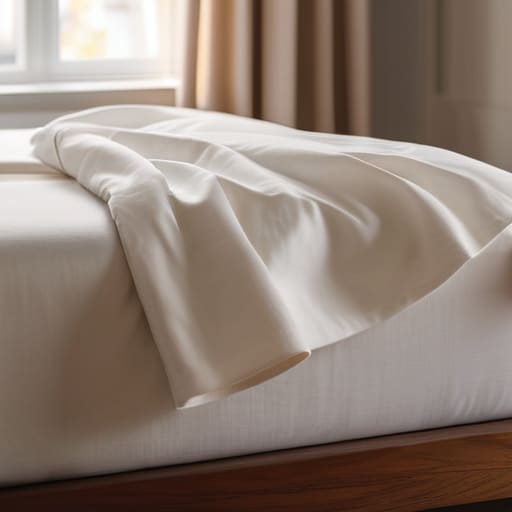
Here’s the truth: most people get caught up in the marketing hype of numbers, but thread count isn’t a magic wand. I’ve spent way too many hours researching fabric density, and I’ve learned that a massive number doesn’t always mean better sleep. If you want that crisp, high-end feel, look for high thread count sheets in long-staple cotton like Percale or Sateen. Percale gives you that cool, matte finish you find in boutique hotels, while Sateen offers a slight sheen and a heavier drape.
Once you have the right base, stop treating your bedding like a single layer. The secret to that “expensive” look is all about bedding textures and layers. I like to mix a smooth cotton sheet with a slightly heavier linen duvet cover. This contrast creates visual depth without requiring you to spend a fortune on matching sets. It’s a small, repeatable system: one smooth layer, one textured layer, and you’re done. It turns a flat, boring surface into something that actually looks intentional and feels like a sanctuary.
The Art of Luxury Duvet Styling Without the Chaos
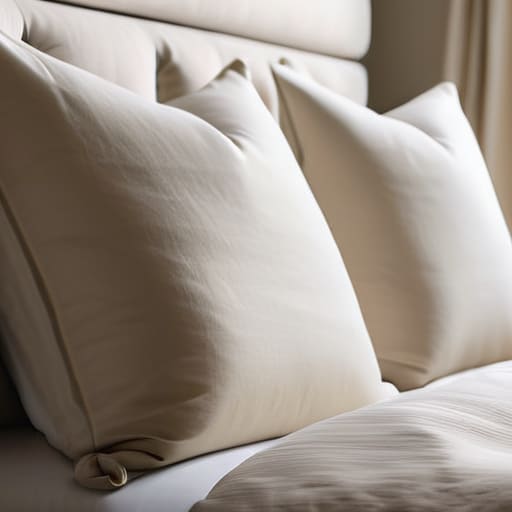
Most people treat their duvet like a heavy blanket you just toss on at the end of the day, but that’s exactly why your bed looks messy instead of intentional. If you want that high-end look, you have to stop fighting the fabric. The secret to luxury duvet styling isn’t about buying the most expensive comforter on the market; it’s about volume and placement. I always recommend folding the top third of your duvet back toward the foot of the bed. This creates a structured, inviting fold that exposes your high thread count sheets and adds immediate visual depth.
Once the foundation is set, don’t overcomplicate the rest. I’m a big believer in using bedding textures and layers to create interest without adding mental clutter. Instead of a dozen mismatched pillows, stick to a cohesive, neutral color palette and focus on varying the materials—think a crisp cotton base paired with a heavy linen or a subtle velvet accent. It’s about creating a sense of order that feels effortless, not like you’re prepping a showroom for a photoshoot.
The Final Layers: Five Small Tweaks for a High-End Finish
- Stop treating pillows like an afterthought. Instead of just tossing them against the headboard, layer them by scale—start with large European shams in the back to create height, then add your standard sleeping pillows, and finish with one or two smaller, textured accent pillows in the front. It adds immediate depth without looking like a showroom.
- Embrace the “karate chop.” It sounds ridiculous, but a quick, firm press into the center of your decorative pillows gives them that lived-in, high-end hotel structure. It breaks up the perfect, flat lines and makes the bed look styled rather than just “unmade.”
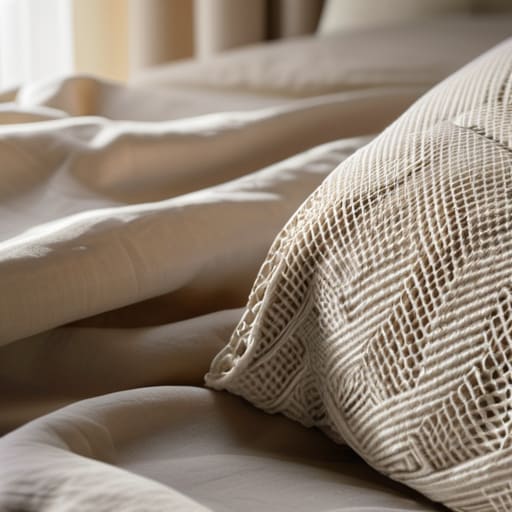
- Don’t skip the throw blanket—but use it with intent. Don’t just drape it haphazardly over the corner. Fold it neatly lengthwise and lay it across the foot of the bed, or do a loose, casual drape if you want a more relaxed vibe. The goal is to add a different texture, like a chunky knit or heavy linen, to break up the smoothness of your sheets.
- Tighten up your foundation. If your bottom sheet is bunching or your duvet is sagging, the whole “luxury” illusion falls apart. I always make sure my fitted sheet is pulled taut and my duvet is evenly distributed before I even touch the decorative elements. A smooth base is non-negotiable.
- Curate your color palette. You don’t need a rainbow; you need a system. Stick to a tight range of neutrals or tonal shades—think creams, soft greys, or deep navy. When the colors are cohesive, the textures do the heavy lifting, making the bed look expensive and intentional rather than cluttered.
The Bottom Line: Less Effort, More Impact
Stop chasing perfection; focus on layering high-quality textures like linen or heavy cotton to create depth without needing a professional decorator’s touch.
Invest in your foundation—high thread count sheets and a well-fluffed duvet do 90% of the heavy lifting for you.
Keep it functional—a luxury bed should look incredible, but it shouldn’t be so complicated that you’re afraid to actually sleep in it.
The Philosophy of the Perfect Bed
“Luxury isn’t about how many decorative pillows you can stack on a mattress; it’s about stripping away the visual noise and investing in the few, high-quality layers that actually make you want to dive in at the end of a long day.”
Liam Anders Chen
The Bottom Line
At the end of the day, making your bed look high-end isn’t about buying every expensive thing you see on a showroom floor. It’s about the intentional application of a few smart systems: choosing high-quality sheets that actually feel good against your skin, layering a duvet that has enough weight to feel substantial, and using textures to add depth without creating a mess. You don’t need a professional decorator to achieve this; you just need to stop overcomplicating the process and focus on the tactile elements that make a space feel finished. Once you have the foundation of quality materials and thoughtful layering down, the “luxury” part happens almost automatically.
I’ve spent enough time fixing broken things and organizing chaotic workflows to know that our environment dictates our mental state. When you walk into your bedroom at the end of a long, demanding day and see a bed that looks curated and calm, it sends a signal to your brain that the work is done. This isn’t just about aesthetics or vanity; it’s about reclaiming your sanctuary from the friction of daily life. Build a bed that supports your rest, strip away the unnecessary clutter, and let your bedroom be the one place where everything just works.
Frequently Asked Questions
How do I keep my sheets from looking wrinkled and messy right after I make the bed?
The secret isn’t a magic iron; it’s about managing tension. When you put your sheets on, pull them tight from the corners like you’re stretching a drum skin. If you’re using a duvet, give it a hard “snap” mid-air before laying it down to let gravity do the heavy lifting. Most importantly, don’t let the sheets sit in a heap in the dryer. Pull them out while they’re still warm and smooth them immediately.
Is it actually worth spending the extra money on high-end pillows, or can I just use what I already have?
Look, I’m all about efficiency, not excess. If your current pillows are flat, lumpy, or leaving you with a stiff neck, they’re broken tools. You can’t build a good system on a faulty foundation. Don’t buy “luxury” just for the label, but do invest in high-quality down or memory foam that actually supports your alignment. If they still work, keep them. If they’re failing you, upgrade. Your sleep deserves better than “good enough.”
How do I layer all these different pieces without my bed looking like a cluttered mess?
The trick is to follow a strict hierarchy. Think of it like a system: start with your base layers, then add one heavy texture—like a weighted throw—and finish with exactly two pillows of varying sizes. If you have more than three decorative pillows, you’ve crossed the line from “luxurious” to “cluttered.” Keep the color palette tight and the textures intentional. If a piece doesn’t serve a functional or visual purpose, leave it on the chair.