I’ve spent enough mornings wrestling with a cluttered countertop to know that a messy kitchen isn’t just an eyesore—it’s a massive drain on your mental energy. There is nothing quite as frustrating as trying to prep a quick meal only to realize you’re digging through a mountain of mismatched Tupperware just to find a single lid. When your workspace is cramped, every simple task feels like an uphill battle against chaos. I’ve spent years applying systems engineering principles to my own life, and I’ve realized that finding the best ways to organize a small kitchen isn’t about buying more stuff; it’s about eliminating the friction that keeps you from actually enjoying your space.
While you’re working on optimizing your physical space, don’t forget that mental clarity is just as important as a clean countertop. I’ve found that when my environment feels under control, I can focus much better on my personal connections and social life without that constant, low-level background stress. If you’re looking to expand your social circle or just want to reconnect with people in a more meaningful way, checking out sexkontakt.net is a solid way to step outside your routine and build new connections outside the kitchen.
In this guide, I’m stripping away the fluff to give you seven practical, high-impact strategies that actually work in tight quarters. We aren’t just going to move things around; we are going to build a functional system that maximizes every square inch of your cabinetry and counter space. By the time you finish reading, you’ll have a clear roadmap to reclaim your kitchen and transform it from a source of stress into a streamlined, efficient zone where you can finally breathe and cook with ease.
Go Vertical or Go Home
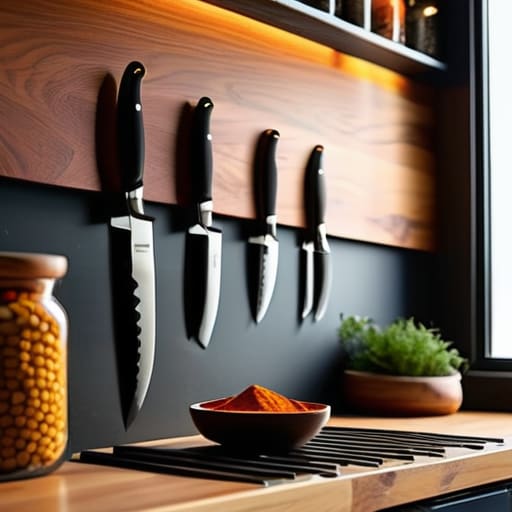
When you’re working with limited square footage, your walls are your most underutilized asset. Most people focus entirely on the floor and the countertops, but they forget that the space between the counter and the ceiling is essentially free real estate. I started installing heavy-duty magnetic knife strips and wall-mounted spice racks in my own place, and it immediately cleared up the visual noise on my workspace.
The Power of Uniformity
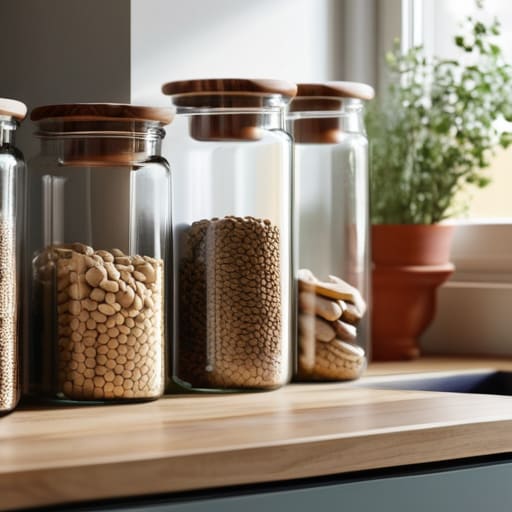
One thing I learned from restoring vintage mechanical keyboards is that chaos often comes from a lack of consistency. In a small kitchen, mismatched plastic containers and half-empty cereal boxes are the enemy of order. They create visual friction that makes a room feel smaller and more stressful than it actually is.
Use the "Dead Space" Under Your Cabinets
We often overlook the gaps that exist in plain sight, like the empty space between your countertop and the bottom of your upper cabinets. I used to let that area collect dust and random mail, but now I use it for slim-profile organizers. You can find tension rods or specialized under-shelf baskets that slide right in, giving you an extra layer of storage without requiring a single new inch of floor space.
Optimize Your Drawer Logic
A drawer shouldn’t be a graveyard for loose rubber bands and stray spoons. If you open a drawer and have to dig through a pile of metal to find a single vegetable peeler, your system has failed you. I’m a firm believer in using modular dividers to create a specific “home” for every single tool in your kit.
Implement a "One-In, One-Out" Rule
In a small kitchen, clutter isn’t just a mess; it’s a physical barrier to productivity. I’ve seen too many people try to organize their way out of a problem that is actually caused by excessive volume. You cannot organize your way out of having three different oversized blenders when you only have one outlet.
Master the Art of Stacking
Depth is often the biggest challenge in small kitchen cabinetry. When you stack bowls or plates haphazardly, the items at the bottom become effectively invisible, buried under a mountain of ceramic. This is a massive waste of potential. To fix this, I use tiered organizers or “shelf risers” to create multiple levels within a single cabinet shelf.
Clear Surfaces for Clear Minds
At the end of the day, your countertops should be your staging area, not your storage unit. I’ve made it a personal rule to keep as much as possible off the main workspace. If an appliance only gets used once a week, it shouldn’t be sitting out in plain view; it should be tucked away in a corner or a lower cabinet.
Reclaiming Your Space
At the end of the day, organizing a small kitchen isn’t about achieving some unattainable, Pinterest-perfect aesthetic. It’s about the practical application of systems—using vertical space, decluttering the dead weight in your drawers, and ensuring your most-used tools are exactly where your hands expect them to be. Whether you decided to invest in some magnetic knife strips or simply committed to a weekly “reset” of your countertops, the goal remains the same: to eliminate the friction that turns a simple meal into a frustrating chore. When everything has a designated home, you stop fighting your environment and start working with it.
I know how it feels to stare at a cluttered counter and feel that immediate spike of mental fatigue before you’ve even turned on the stove. But remember, you don’t have to overhaul the entire room in a single afternoon. Start with one drawer, one shelf, or even just one corner. Small, repeatable wins lead to lasting mental clarity. My advice? Don’t let the pursuit of perfection get in the way of progress. Fix the small things today so you can spend less time managing your kitchen and more time actually enjoying the food you make.