I used to think that getting into woodworking meant I needed a garage full of expensive, specialized machinery and a mountain of sawdust to prove I was “doing it right.” But after years of managing complex systems at work, I’ve learned that the most efficient way to build something is to strip away the unnecessary noise. Most people never even start because they get paralyzed by the sheer scale of the hobby, or they end up wasting their entire Saturday fighting with tools they don’t understand. If you’ve been looking for beginner woodworking projects that actually yield results without turning your home into a construction zone, you’re in the right place.
I’m not interested in teaching you how to build a mahogany dining table on day one; I want to help you build momentum. In this guide, I’ve curated five specific projects designed to teach you the fundamental mechanics of joinery, measurement, and finishing. These aren’t just crafts; they are functional systems for your home that will build your confidence and your toolkit simultaneously. By the time we’re done, you’ll have five tangible items on your shelves and, more importantly, the clarity to tackle whatever comes next.
Table of Contents
The Minimalist Desktop Organizer
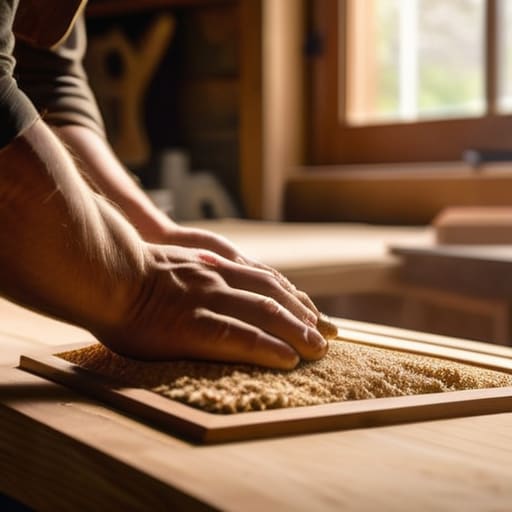
If you’re anything like me, your workspace can quickly turn into a graveyard of loose pens, charging cables, and sticky notes. I started with a simple desktop organizer because I needed to reclaim my mental clarity by clearing the physical clutter. This project is perfect for beginners because it mostly involves straight cuts and some basic sanding to ensure the edges don’t snag your sleeves.
Elevated Plant Stands
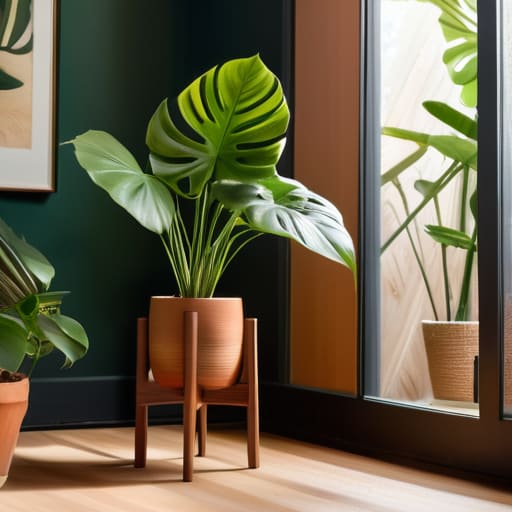
There is something incredibly grounding about bringing greenery into a living space, but seeing a ceramic pot sitting directly on a cluttered floor or a cheap plastic table feels wrong. I built a few simple, tripod-style plant stands to give my indoor jungle some much-needed vertical dimension. It’s a great way to practice measuring twice and cutting once without the pressure of a massive build.
The Essential Magnetic Key Holder
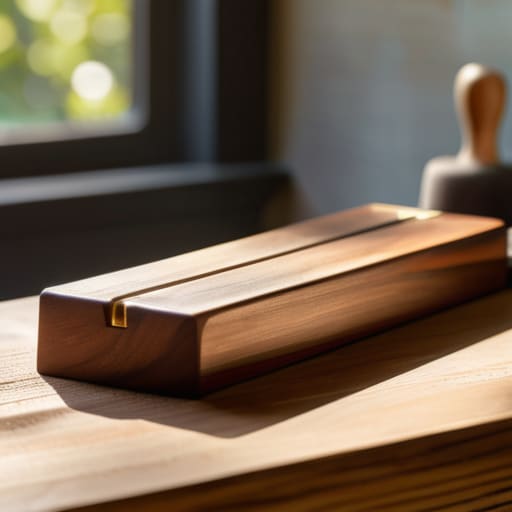
We’ve all had those mornings where we’re five minutes late because we can’t find our keys. It’s a small friction point, but those little moments of chaos add up over a week. I decided to tackle a magnetic key holder to solve this problem once and for all. It’s a small-scale project that requires precision and patience, which is exactly what you need when you’re first learning to work with wood.
Custom Coaster Sets
If you want to test your ability to sand and finish wood properly, start with coasters. It sounds almost too easy, but getting a perfectly smooth, even finish on a small surface is a skill in itself. I use these to protect my desk from coffee rings, and honestly, there’s a certain level of satisfaction in using something you crafted yourself during a morning meeting.
The Low-Profile Serving Tray
Whether you’re serving breakfast in bed or just carrying a drink out to the patio, a well-made tray makes the experience feel intentional rather than accidental. This project introduces you to the concept of “assembling” multiple components—a base, some sides, and perhaps some handles. It’s a step up from a single block of wood, requiring you to think about the whole system.
Cut the Noise, Start Building
Don’t let a lack of professional gear stall your momentum; pick a project that works with what you have, not what you wish you had.
Focus on the fundamentals of measurement and clean cuts rather than trying to master complex joinery right out of the gate.
View every mistake as a system error to be debugged—it’s not a failure, it’s just part of the calibration process.
The Philosophy of the First Cut
“Don’t let the fear of a crooked joint keep you from picking up the saw; woodworking isn’t about achieving immediate perfection, it’s about building the systems and the skills that make precision inevitable.”
Liam Anders Chen
Stop Planning and Start Building
Look, you don’t need a professional-grade workshop or a massive budget to get started. Whether you’re tackling a simple floating shelf, a rustic serving tray, or a basic tool organizer, the goal isn’t perfection—it’s momentum. By choosing these low-stakes projects, you’re learning how to respect your materials, manage your workspace, and most importantly, how to trust your own hands. The key is to keep your tools sharp and your workspace clear so that the process remains a way to decompress rather than another source of frustration on your to-do list.
At the end of the day, woodworking is about more than just making stuff; it’s about the quiet satisfaction of looking at a finished object and knowing you made it yourself. Don’t let the fear of a crooked cut or a messy finish keep you from picking up the saw. Life is already chaotic enough; don’t let your hobbies become another source of stress. Pick one project from this list, clear off a small corner of your garage or kitchen, and just begin. You’ll find that once you strip away the complexity, the real joy is in the simple act of creating something that lasts.
Frequently Asked Questions
Do I really need a full workshop to start, or can I get decent results with just a few basic hand tools?
Look, I get the intimidation factor. You see those massive, sawdust-covered workshops on YouTube and think you need a mortgage-sized garage just to cut a board. You don’t. I’ve spent years optimizing systems to be as lean as possible, and woodworking is no different. If you have a decent handsaw, a measuring tape, and a solid screwdriver, you have enough to start. Don’t let the lack of heavy machinery stall your momentum. Just start small.
What’s the best way to choose wood that won't break the bank but still looks good once it's finished?
Don’t fall into the trap of thinking you need expensive walnut or cherry to make something look professional. For most beginner projects, I stick to high-quality pine or poplar. They’re affordable and easy to work with. The secret isn’t the species; it’s the prep. Sand it smooth, use a decent stain, and a quality finish. If you treat inexpensive wood with a bit of respect, it’ll look like a million bucks once it’s done.
How do I avoid the frustration of making a mistake halfway through a project without wasting a whole board?
Measure twice, cut once is a cliché for a reason, but it isn’t enough. I’ve learned the hard way that you need a “test piece” first. Before you touch your expensive walnut, grab a scrap of cheap pine or even some cardboard. Run through your measurements and assembly steps there. It lets you find the errors in a low-stakes environment so you aren’t staring at a ruined, expensive board wondering where it all went wrong.