I used to think that “meal prepping” meant spending my entire Sunday afternoon hunched over a cutting board, surrounded by a graveyard of onion skins and wasted time. I’d look at those overly aesthetic cooking videos—the ones where everything is perfectly julienned in a spotless kitchen—and realize they weren’t teaching you how to cook; they were teaching you how to perform. Most of the advice out there on how to prep vegetables is unnecessarily complex, demanding expensive gadgets or specialized knife skills that just add mental friction to an already busy week.
I’m not here to turn your kitchen into a high-stakes production line. Instead, I want to show you how to build a repeatable, streamlined system that respects your time and your sanity. We’re going to strip away the fluff and focus on the high-leverage movements—the small, logical steps that turn a chaotic pile of produce into a functional toolkit for your week. My goal is to help you master how to prep vegetables with zero wasted motion, so you can spend less time managing your groceries and more time actually eating.
Table of Contents
Essential Knife Skills for Beginners to Reclaim Your Time
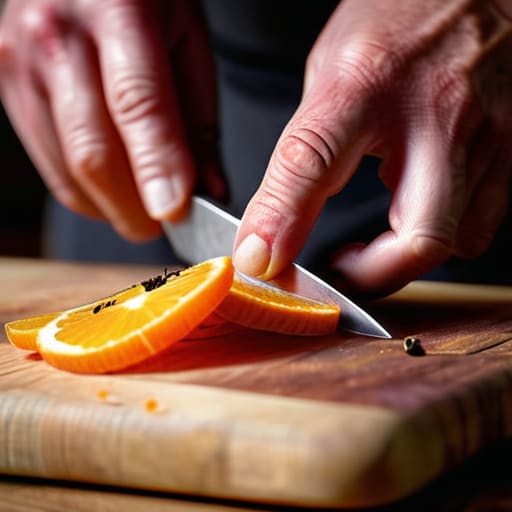
Most people approach chopping like they’re hacking through a jungle, which is exactly why dinner feels like a chore. If you want to stop wasting twenty minutes just getting through a single onion, you need to master a few basic knife skills for beginners. It’s not about speed—it’s about mechanical efficiency. Start by learning the “claw grip”: tuck your fingertips in so your knuckles act as a guide for the blade. This keeps your fingers safe and creates a consistent rhythm. When your cuts are uniform, everything cooks at the same rate, meaning you aren’t stuck waiting for one chunky carrot to soften while another is already mush.
Once you have the grip down, focus on your stability. A wobbly cutting board is a recipe for frustration and wasted effort. If your board slides around, put a damp paper towel underneath it to lock it in place. Developing these efficient kitchen prep methods early on turns a chaotic task into a repeatable system. You aren’t just cutting food; you’re optimizing your workflow so you can get out of the kitchen faster.
How to Wash Vegetables Properly Without the Mess
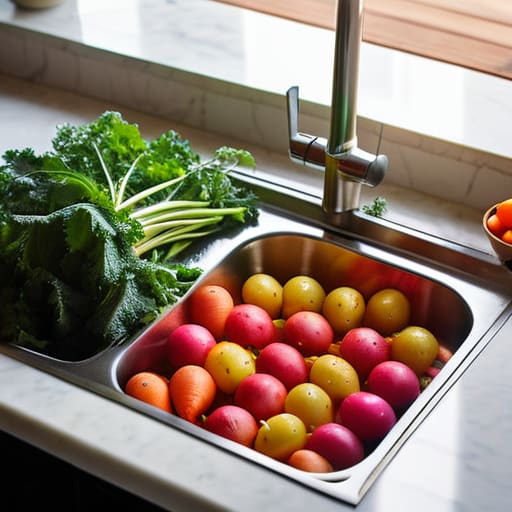
Most people treat washing vegetables like an afterthought, scrubbing them under a running tap while they’re already halfway through chopping. That’s a recipe for a flooded counter and a disorganized workflow. If you want to master efficient kitchen prep methods, you need to treat washing as a dedicated, contained stage of the process. I always start by clearing my sink and setting out a large colander. Instead of letting water spray everywhere, I fill the sink with just enough cool water to submerge the produce, which keeps the mess localized and your workspace dry.
For denser items like carrots or potatoes, a quick scrub with a clean brush works wonders, but for leafy greens, I prefer the soak-and-swish method. Submerge them in a bowl of water, let the grit settle at the bottom, and lift them out. This is a crucial step in how to wash vegetables properly because it ensures you aren’t just moving dirt around your cutting board. Once they’re clean, the real secret to reclaiming your time is drying them thoroughly with a clean lint-free towel. If you skip this, moisture becomes your enemy, leading to premature spoilage when you finally move to the storage phase.
5 Systems to Stop the Prep-Work Chaos
- Batch your aromatics. Don’t chop one onion for tonight and another for tomorrow. Spend ten minutes on Sunday dicing a large container of onions, garlic, and ginger. When you’re tired after work, you just grab a handful and go—no mental load required.
- Use a dedicated prep station. I keep a specific large wooden board and a small “trash bowl” on my counter. Having a designated spot for scraps means you aren’t constantly cleaning up as you go, and the trash bowl keeps your workspace from becoming a cluttered mess.
- Invest in a high-quality mandoline for uniformity. If you need consistent slices for salads or gratins, don’t fight with a knife. A mandoline gives you precision in seconds, ensuring everything cooks at the same rate and looks professional without the effort.
- Organize by “dry” and “wet” groups. I never prep leafy greens in the same session as root vegetables. Grouping your tasks by texture and moisture level prevents your cutting board from becoming a swampy, disorganized disaster.
- Keep your tools within reach, not tucked away. I keep my most-used peeler and a small paring knife in a reachable drawer or a magnetic strip. If you have to dig through a cluttered cabinet every time you need to trim a carrot, you’ve already lost your momentum.
The Efficiency Checklist: Three Rules for Better Prep
Invest in a sharp knife and a stable cutting board; fighting your tools is a waste of mental energy and a genuine safety risk.
Batch your prep by vegetable type rather than recipe to minimize the number of times you have to clean your station.
Store your prepped goods in clear, airtight containers so you can see exactly what’s available, eliminating that “what’s for dinner” decision fatigue.
Efficiency in the Kitchen
“Don’t treat vegetable prep like a chore you have to survive; treat it like a system you’ve optimized. When you stop fighting the ingredients and start respecting the process, you stop managing your kitchen and start actually enjoying your food.”
Liam Anders Chen
Mastering the Prep
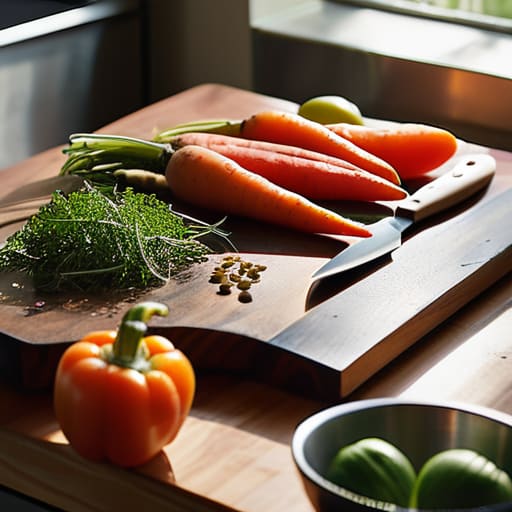
At the end of the day, streamlining your vegetable prep isn’t about becoming a professional chef; it’s about removing the friction from your evening routine. By honing those basic knife skills, keeping your washing station organized, and treating your tools with respect, you stop viewing mealtime as a looming chore and start seeing it as a manageable process. Once you have these systems in place, you’ll find that the chaos of a messy kitchen doesn’t dictate your mood anymore. It’s all about building repeatable habits that save you ten, fifteen, or even twenty minutes every single night.
I know how easy it is to let the complexity of a recipe overwhelm you, especially after a long day at work when your mental bandwidth is already stretched thin. But remember, the goal isn’t perfection—it’s efficiency. Don’t let a pile of unwashed carrots or a dull blade stand between you and a decent meal. Start small, stick to the systems we’ve discussed, and watch how much more mental clarity you gain when your kitchen stops fighting you. You deserve to spend your time actually enjoying your food, not just managing the mess it took to make it.
Frequently Asked Questions
How do I know which vegetables can be prepped days in advance and which ones will just turn into a soggy mess in the fridge?
Think of it like system maintenance: some components are stable, others are volatile. Harder vegetables—carrots, radishes, or broccoli florets—are your “set and forget” items; they’ll stay crisp in airtight containers for days. But leafy greens and sliced cucumbers? They’re high-maintenance. If you prep them too early, they’ll wilt or leak moisture, turning your organized fridge into a soggy mess. Stick to prepping the hardy stuff ahead of time to actually save yourself stress.
I don't have much counter space; what's the most efficient way to organize my station so I'm not constantly moving scraps around?
If counter space is your bottleneck, stop treating your cutting board like an island. Use a “station within a station” approach. Grab a small, sturdy prep bowl or even a clean Tupperware container to act as your dedicated scrap bin. Keep it right next to your board. By consolidating waste into one container instead of letting it migrate across the counter, you minimize movement and keep your workspace clear for actual prep.
Is it actually worth investing in specialized tools like mandolines or food processors, or should I just stick to my basic knife kit?
Look, I’m a systems guy—I value efficiency, but I hate clutter. If you’re just starting out, stick to your knife kit. A high-quality chef’s knife is your primary tool; it’s versatile and easy to maintain. Don’t let a food processor become an expensive paperweight in your cabinet. Only invest in a mandoline if you’re doing high-volume slicing weekly. Otherwise, master the knife first. Less gear, more control, zero wasted counter space.