I used to think that creating a space you actually felt proud of required a massive bank account and a designer on speed dial. Growing up in a house where we fixed everything ourselves, I saw firsthand how much mental energy is drained by a living space that feels cluttered, mismatched, or just plain uninspired. We often fall into the trap of thinking that if we can’t afford a full renovation, we just have to settle for mediocrity. But the truth is, most of us don’t need a massive budget; we just need a better system. I’ve spent years learning how to strip away the unnecessary noise and focus on what actually works, and I’ve realized that finding effective budget decorating ideas is less about buying “stuff” and more about making intentional choices.
In this post, I’m cutting through the fluff to share five practical, low-cost ways to transform your environment without the headache. I’m not going to suggest anything that adds more clutter to your life; instead, I’ll show you how to use functional simplicity to make your home feel organized and intentional. By the end of this list, you’ll have a clear roadmap to upgrade your space using smart, repeatable tactics that respect both your time and your wallet.
Table of Contents
Audit Your Current Inventory
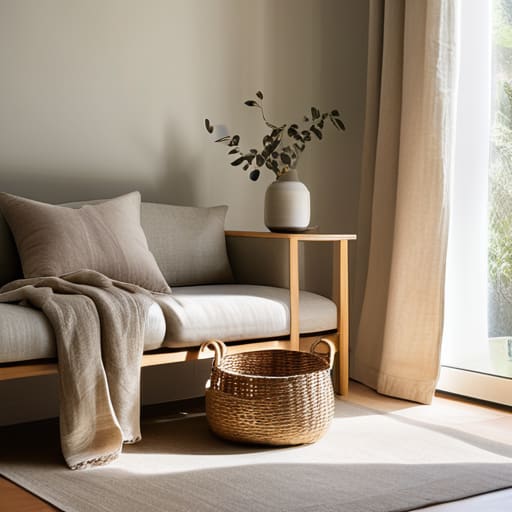
Before you even think about opening a shopping app, I want you to do something that most people find incredibly tedious: look at what you already own. Most of us are surrounded by “functional clutter”—items that serve a purpose but are scattered in ways that create visual noise. I always start by clearing every surface in a room and only bringing back the pieces that actually add value or aesthetic calm. It’s not about being a minimalist for the sake of it; it’s about eliminating the friction caused by too much stuff.
Master the Art of Lighting Layers
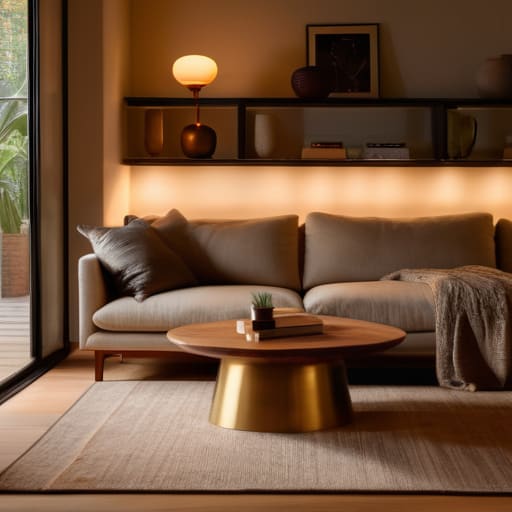
If there is one thing that separates a chaotic room from a curated one, it’s the lighting. Most apartments come equipped with a single, harsh overhead light that makes everything look clinical and uninviting. I call this “interrogation lighting,” and it’s the enemy of a relaxing home. Instead of relying on that one central source, I focus on building layers of light at different heights. A small task lamp on a desk, a floor lamp in a corner, and maybe even some dimmable LED strips behind a monitor can completely transform the depth of a room.
The Power of Uniform Storage
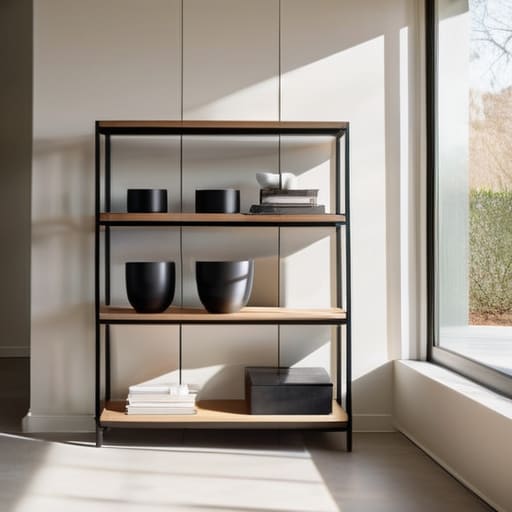
Nothing kills a clean aesthetic faster than a mismatched collection of plastic bins, half-empty boxes, and random containers cluttering your shelves. From a systems engineering perspective, visual chaos is just unmanaged data. When your eyes land on a shelf and see ten different colors and textures, your brain has to work harder to process the environment. To fix this without spending a fortune, I swear by the rule of uniformity. Pick one style of container—whether it’s simple wicker baskets or matte black metal bins—and stick to it.
Curate Your Walls, Don't Cover Them
I see people make the mistake of buying cheap, generic “wall art” just to fill up empty space, and it usually ends up looking like a dorm room. My advice? Stop trying to fill every square inch. A single, well-placed piece of art—even if it’s just a framed vintage blueprint or a high-quality print you found online—is far more effective than a dozen small, meaningless items. You want to create a focal point that draws the eye, rather than a scattered collection of distractions.
Update Hardware for Instant Impact
This is one of my favorite “low-effort, high-reward” hacks. If you have a basic kitchen or a generic dresser, the hardware—the knobs, pulls, and handles—is often the most boring part of the piece. These are the touchpoints you interact with every single day, and cheap, flimsy hardware can make a room feel “low-rent.” By swapping out standard builder-grade handles for something with more weight and a better finish, like brushed brass or matte black, you can instantly elevate the entire piece.
The Bottom Line
Don’t mistake “expensive” for “effective.” A well-organized, intentional space provides more mental clarity than a room full of high-end clutter.
Focus on small, repeatable upgrades—like lighting or organization—that solve actual friction points in your daily routine rather than just chasing trends.
Start with what you already have. Before you spend a dime, audit your current inventory and see what can be repurposed, cleaned, or moved to create a better flow.
The Philosophy of Intentional Space
“Decorating shouldn’t be about filling every empty corner with stuff you bought on impulse; it’s about curating a space that actually serves your routine and clears your head. You don’t need a massive budget to fix a room—you just need a plan and the discipline to stop adding to the noise.”
Liam Anders Chen
Getting Started Without the Stress
At the end of the day, decorating your space shouldn’t feel like a second job or a massive financial burden. We’ve looked at how a few strategic moves—rethinking your layout, hunting for second-hand gems, updating hardware, adding greenery, and simply decluttering—can completely shift the energy of a room. You don’t need a massive renovation budget or a degree in interior design to make a difference. It’s about intentionality over excess. By focusing on these high-impact, low-cost tweaks, you’re not just changing the look of your apartment; you’re building a functional environment that actually supports your daily rhythm instead of working against it.
My advice is to stop waiting for the “perfect” moment or the “perfect” paycheck to finally fix that corner of your living room that’s been bothering you. Perfection is the enemy of progress, and in my experience, trying to do everything at once is the fastest way to burn out. Pick one small project from this list and tackle it this weekend. Whether it’s swapping out old cabinet pulls or finally organizing that bookshelf, the goal is to reclaim your space one small, manageable step at a time. Once you start seeing the results of these small systems, you’ll realize that a better life is built through small, deliberate actions, not grand, expensive gestures.
Frequently Asked Questions
How do I know which pieces are worth keeping and which ones are just adding to the clutter?
I use a simple rule of thumb: if it doesn’t serve a function or spark genuine, quiet joy, it’s just noise. I ask myself, “Would I buy this today if I saw it in a shop?” If the answer is no, it’s clutter. Don’t let sentimentality trap you in a house full of “maybe” items. If it doesn’t work for your current life, let it go so you can make room for what does.
Is it better to buy cheap, trendy items now, or should I save up for one high-quality piece that actually lasts?
Look, I’ve seen both sides. I’ve bought the cheap, trendy stuff only to watch it fall apart in six months, which ends up costing more in the long run. My rule of thumb? Buy the cheap stuff for things that don’t carry weight—like decor or side tables. But for the essentials, like a chair or a desk, save up. Buy one high-quality piece that’s built to last. It’s better for your wallet and your sanity.
I don't have much time on the weekends—what are the quickest, high-impact changes I can make without a massive overhaul?
Look, I get it. Between work and everything else, the idea of a “home project” feels like just another chore on an already overflowing to-do list. If you only have a few hours, skip the heavy lifting. Focus on lighting and decluttering surfaces. Swap out a harsh overhead bulb for a warm lamp, and clear your main workspace. These small, functional shifts change how a room feels instantly, without requiring a single trip to the hardware store.