I was digging through the back of my fridge last Tuesday—a ritual I usually avoid—when I found a bag of spinach that had transformed into a dark, slimy puddle of nothingness. It was a direct hit to my wallet and a total failure of my system. Most people think they need a dozen specialized, expensive gadgets or a PhD in molecular gastronomy to figure out how to store food properly, but that’s just marketing noise designed to clutter your cabinets. You don’t need a high-tech vacuum sealer or a pantry full of aesthetic glass jars to stop the rot; you just need a few logical, repeatable habits that actually respect your time and your budget.
I’m not here to give you a lecture on food science or suggest you buy more “stuff.” My goal is to strip away the complexity and give you a functional blueprint for your kitchen. I’m going to share the exact, no-nonsense methods I use to keep my groceries fresh, organized, and ready to use, so you can stop throwing money in the trash and start actually living your life.
Table of Contents
Mastering Refrigerator Temperature Settings for Peak Freshness
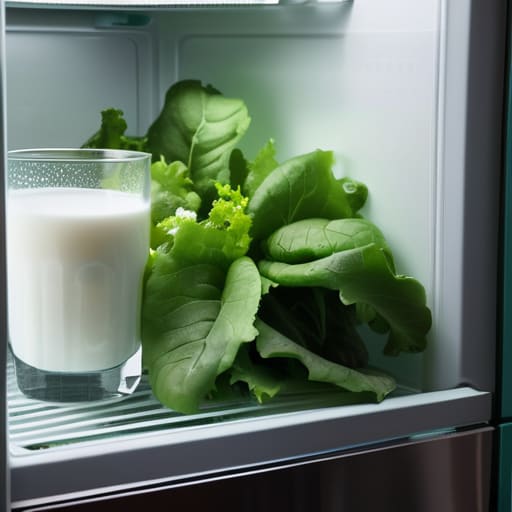
Most people treat their fridge dial like a mystery, setting it to whatever number it lands on and hoping for the best. That’s a mistake. If your fridge is too warm, you’re essentially running a slow-motion experiment in preventing food spoilage—except the experiment is failing. I’ve learned through trial and error that precision matters. You want your fridge sitting consistently between 37°F and 40°F (3°C to 4°C). Anything higher and your milk turns sour before the expiration date; anything lower and you’re risking a localized frostbite situation for your leafy greens.
Don’t forget the freezer, either. A steady 0°F (-18°C) is the sweet spot for long-term stability. If you notice ice crystals forming on your frozen peas or meat, you’re likely dealing with a temperature fluctuation that’s causing major freezer burn. I always recommend getting a cheap, standalone appliance thermometer. It’s a small, five-dollar investment that gives you actual data instead of just guessing based on how the air feels when you open the door. Getting your refrigerator temperature settings dialed in is the foundation of a system that actually works.
The Real Airtight Container Benefits You Cant Ignore
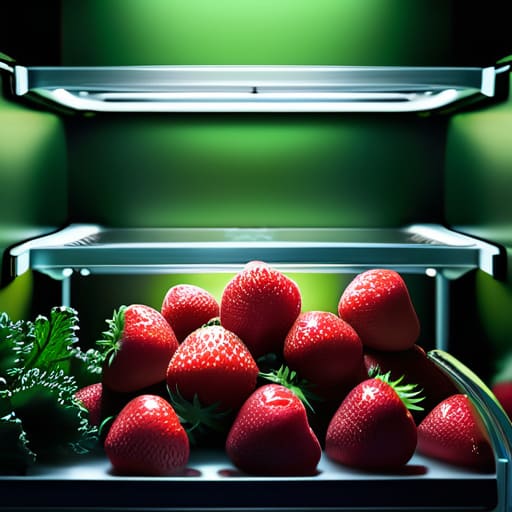
Look, I’ve spent enough time digging through a disorganized fridge to know that those flimsy, mismatched plastic tubs we all inherit from college aren’t doing you any favors. If you want to actually see the shelf life of common groceries extend beyond a few days, you need to invest in real, high-quality containers. The primary airtight container benefits come down to one thing: controlling the environment. When you seal out oxygen, you’re essentially hitting the pause button on the oxidation process that turns your expensive berries mushy and your greens into a sad, slimy mess.
It’s not just about the fridge, either. If you’re serious about freezer burn prevention, you can’t just rely on thin freezer bags that let air seep in through tiny gaps. I always keep a stash of heavy-duty, vacuum-sealable containers on hand for my bulk buys. It’s a small upfront cost that pays for itself the first time you realize you haven’t had to toss a bag of frozen shrimp because it turned into a block of ice crystals. Stop treating your storage like an afterthought; treat it like the system it is.
Five Small Systems to Stop Food Waste Before It Starts
- Stop treating your crisper drawers like a graveyard. Most people leave them on “high humidity,” which is a recipe for moldy greens. Keep your leafy stuff in a breathable bag or a paper towel-lined container to manage that moisture, or you’ll be tossing them by Tuesday.
- Group your perishables by “use-by” urgency. I use a simple rule: if it’s going to die in 48 hours, it goes on the middle shelf right at eye level. If it’s a staple, it goes in the back. If I have to hunt for it, I’ll forget it exists.
- Treat your herbs like fresh flowers. Don’t just throw a bunch of cilantro in a plastic bag and hope for the best. Trim the stems and stick them in a glass of water in the fridge. It keeps them crisp and actually makes your fridge look organized instead of chaotic.
- Learn the “First In, First Out” (FIFO) method. It’s basic systems engineering applied to your pantry. When you come home from the store, move the older cans and boxes to the front and put the new stuff in the back. It sounds tedious, but it saves you from finding a science experiment in the corner of your cupboard.
- Invest in a decent labeling system. I keep a roll of painter’s tape and a sharpie in my kitchen drawer. If I freeze something, I write the contents and the date on it immediately. There is nothing more frustrating than digging through a freezer full of unlabeled plastic bags, trying to remember if that’s beef stew or mystery mush.
The Bottom Line: Stop the Rot
Stop treating your fridge like a junk drawer; if you don’t have a dedicated spot for everything, something is going to die in the back.
Invest in decent airtight containers—it’s a small upfront cost that pays for itself the moment you stop throwing away spoiled leftovers.
Treat temperature like any other system: set it, monitor it, and don’t leave the door hanging open while you decide what to eat.
The Cost of Chaos
“Food waste isn’t just a hit to your wallet; it’s a symptom of a disorganized system. When you stop treating your kitchen like a dumping ground and start treating it like a workspace, you stop throwing money in the trash and start reclaiming your time.”
Liam Anders Chen
Stop Managing Waste and Start Living
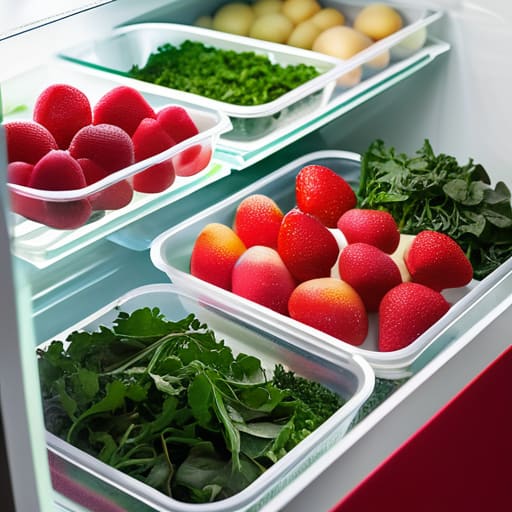
At the end of the day, food storage isn’t about being a perfectionist or having a Pinterest-worthy pantry; it’s about eliminating friction. By dialing in your fridge temperature and investing in a few solid, airtight containers, you’ve already done more than most people to stop the cycle of mindless waste. You’ve moved from a reactive state—tossing out slimy spinach and mystery leftovers—to a proactive system where you actually know what you have. It’s a small shift in your daily operations, but the cumulative effect on your wallet and your mental load is massive.
I know life gets chaotic. Between work deadlines and everything else pulling at your attention, a perfectly organized kitchen might feel like just another chore on an endless list. But remember, the goal of building these little systems isn’t to add more work to your plate; it’s to reclaim your time. When you aren’t constantly fighting your fridge or running to the store because you forgot you had ingredients, you gain a sense of control that carries over into every other part of your life. Set up your system, stick to the basics, and then get out of the kitchen so you can go enjoy the life you’re working so hard to build.
Frequently Asked Questions
How do I know if my produce should go in the fridge or stay on the counter to actually last longer?
Stop playing the guessing game with your groceries. Here’s the rule of thumb: if it’s delicate or prone to wilting—think leafy greens, berries, or carrots—it belongs in the fridge. If it’s sturdy or needs warmth to develop flavor, like tomatoes, stone fruits, or potatoes, keep them on the counter. Just remember: never put your potatoes in the fridge; they’ll turn gummy and waste your money. Keep it simple, keep it organized.
Is it worth the investment to buy high-end glass containers, or will cheap plastic do the job just as well?
Look, I’m a big believer in buying things once and buying them right. If you’re just storing dry pasta, cheap plastic is fine. But for leftovers or anything with sauce? Go glass. Plastic stains, retains smells, and eventually gets those micro-scratches that make it a breeding ground for bacteria. Glass is easier to clean, won’t leach chemicals into your food when microwaving, and—most importantly—it lasts forever. It’s a one-time cost for a lifetime of organization.
How often should I actually be cleaning out my pantry and fridge to prevent hidden spoilage?
Don’t let it become a graveyard for expired condiments. I do a quick “visual scan” every Sunday before my grocery run—toss anything fuzzy or smelling suspicious. For a deeper dive, aim for a full purge once a month. Wipe down the shelves and check those hidden corners behind the jars. It takes twenty minutes, but it beats finding a science experiment in the back of your crisper drawer three weeks from now.