I’m tired of seeing those “budget-friendly” meal prep videos that require a trip to three different specialty grocery stores and a cabinet full of expensive, single-use gadgets. Most of that advice is just noise designed to sell you more clutter, and frankly, it’s a waste of your most valuable resource: time. You don’t need a curated aesthetic or a mountain of organic superfoods to eat well; you just need a functional system that works with what you actually have in your pantry. Real budget friendly meals shouldn’t feel like a second job or a lesson in extreme deprivation.
I’m not here to give you a list of complicated recipes that leave you with a sink full of dishes and a lighter wallet. Instead, I’m going to show you how I apply systems engineering principles to my own kitchen to strip away the chaos. We’re going to focus on high-impact, repeatable meal structures that prioritize nutrition and efficiency without the fluff. My goal is to help you build a streamlined approach to eating so you can stop overthinking dinner and get back to actually living your life.
Table of Contents
Low Cost Grocery Shopping Tips for Busy People
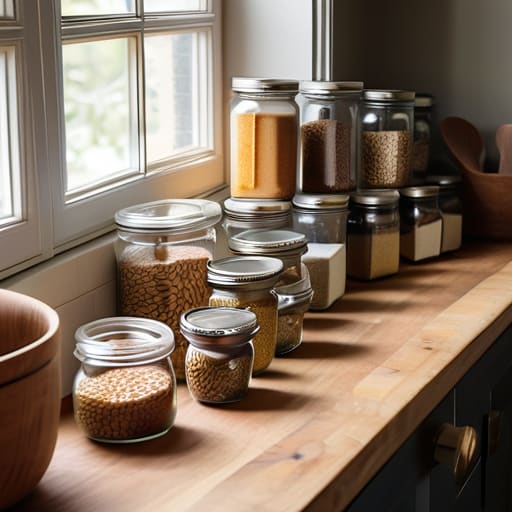
First, you have to stop treating the grocery store like a scavenger hunt. If you walk into a supermarket without a tactical plan, you’ve already lost the battle against your budget. I’ve learned the hard way that impulse buys are just expensive distractions. My rule is simple: stick to the perimeter and build your list around economical pantry staples like dried lentils, rice, and oats. These are the foundational components of any efficient system; they are cheap, they last forever, and they provide the heavy lifting for almost any meal.
Second, stop falling for the “convenience tax.” I used to buy pre-cut vegetables and bagged salads because I was short on time, but that’s just throwing money into the trash. If you want to master eating well on a tight budget, you have to embrace a little bit of prep work. Buy the whole head of broccoli or the large bag of carrots instead of the processed versions. It takes five extra minutes of chopping, but that small investment in effort saves you dozens of dollars every single month. Focus on the raw materials, not the packaging.
Nutritious Low Budget Ingredients That Actually Taste Good
The biggest mistake I see people make is thinking that “cheap” has to mean “bland” or “processed.” If your diet consists entirely of instant noodles and frozen pizza, you aren’t saving time; you’re just sacrificing your energy levels. To actually sustain a busy schedule, you need to focus on economical pantry staples that offer high nutritional density. I always keep dried lentils, chickpeas, and brown rice on hand. They are incredibly cheap, have a massive shelf life, and act as the perfect structural foundation for almost any meal.
Don’t overlook the power of frozen vegetables, either. They are often more nutrient-dense than the “fresh” produce that’s been sitting on a truck for a week, and they won’t rot in your crisper drawer if your week gets chaotic. When you combine these with versatile proteins like eggs or canned sardines, you’re practicing eating well on a tight budget without the constant mental load of complex recipes. It’s about building a toolkit of ingredients that work hard for you, rather than working for them.
5 Systems to Stop Your Food Budget from Leaking
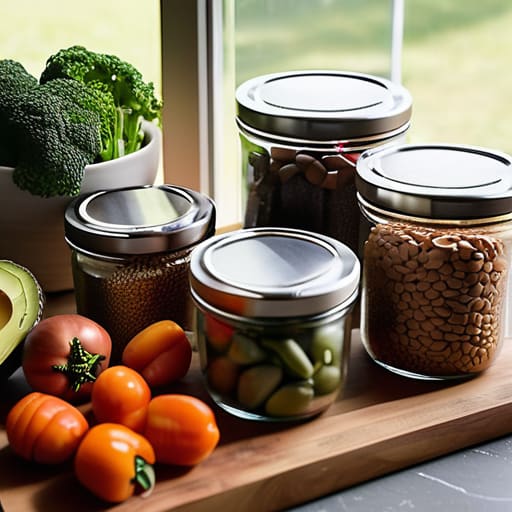
- Master the art of the “Component Prep.” Instead of spending your entire Sunday cooking complex recipes that lose their texture by Tuesday, prep versatile building blocks like a large batch of roasted grains, a tray of seasoned proteins, or a jar of pickled onions. This way, you’re assembling meals in five minutes rather than starting from scratch every night.
- Shop your own pantry before you hit the store. I’ve learned the hard way that we often buy a second bag of lentils when there’s already one hiding behind the pasta. Spend ten minutes auditing your shelves first; it’s the easiest way to shave twenty dollars off your weekly grocery bill instantly.
- Embrace the “One-Pot” philosophy. Complexity is the enemy of both time and money. When you stick to stews, sheet-pan dinners, or hearty grain bowls, you reduce the number of ingredients you need to buy and, more importantly, you minimize the cleanup that usually kills your evening momentum.
- Buy frozen, not because it’s “cheap,” but because it’s efficient. Frozen vegetables are flash-frozen at peak ripeness, meaning they won’t rot in your crisper drawer after three days of neglect. It’s a zero-waste system that ensures you actually use what you pay for.
- Build a “Template Menu.” Don’t try to reinvent the wheel every Monday. Create a mental framework—like “Taco Tuesday” or “Grain Bowl Thursday”—and simply swap the proteins or veggies based on what’s on sale. It removes the decision fatigue that leads to expensive, last-minute takeout orders.
The Bottom Line: Eating Well Without the Stress
Stop treating grocery shopping like a scavenger hunt; stick to a strict list of versatile, low-cost staples to avoid impulse buys and decision fatigue.
Prioritize ingredient density—focus on foods that provide real fuel, like lentils, eggs, and seasonal produce, so you aren’t just filling up on empty calories.
Build systems, not just recipes; use your ingredients in repeatable ways so you spend less time staring at the pantry and more time actually eating.
The Philosophy of the Plate
“Budget-friendly cooking isn’t about deprivation or settling for bland leftovers; it’s about engineering a system where smart ingredient choices and streamlined prep give you your time and your sanity back.”
Liam Anders Chen
Getting Back to Basics
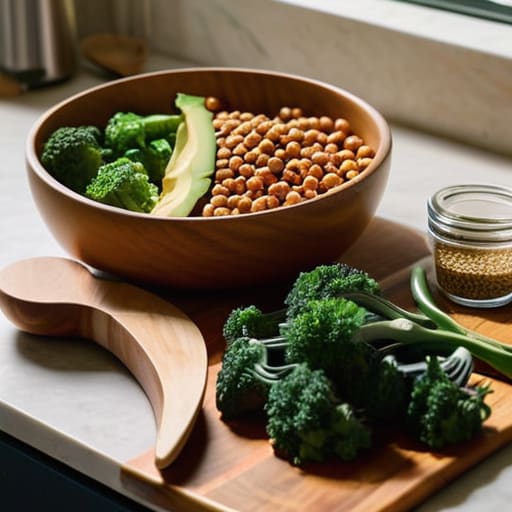
At the end of the day, eating well on a budget isn’t about deprivation or mastering complex culinary techniques; it’s about systematizing your kitchen. We’ve covered how to shop with intention, avoid those impulse buys that clutter your pantry, and lean on versatile, high-quality ingredients like grains and legumes that do the heavy lifting for you. When you stop treating grocery shopping like a chaotic scavenger hunt and start treating it like a controlled process, you stop leaking money and start gaining control. It’s about choosing the right tools and the right ingredients so that dinner becomes a predictable, low-stress part of your evening rather than a source of mental fatigue.
I know how easy it is to let the chaos of a busy week dictate your habits, leading to expensive takeout and wasted potential. But remember, every small adjustment you make to your meal routine is a step toward reclaiming your time and your sanity. You don’t need a gourmet kitchen or a massive paycheck to eat well; you just need a reliable system that works for your lifestyle. Stop letting your budget manage you, and start managing your budget. Get organized, keep it simple, and get back to actually enjoying your life.
Frequently Asked Questions
How do I balance eating healthy on a budget without spending hours every Sunday meal prepping?
Stop treating meal prep like a second full-time job. You don’t need a five-hour Sunday marathon to eat well. Instead, adopt a “component prepping” system. Roast a large tray of seasonal veggies, boil a pot of grains, and cook two proteins at once. On weeknights, you aren’t “cooking”—you’re just assembling high-quality building blocks. It’s about reducing friction, not adding more chores to your weekend. Keep it modular, keep it fast.
What are some ways to use up leftovers so I’m not just throwing money in the trash at the end of the week?
Stop treating leftovers like a chore and start seeing them as prepped components. I keep a “repurpose list” in my notebook: roasted veggies become a frittata, leftover grains turn into a grain bowl, and extra protein is just a taco filling waiting to happen. Don’t just reheat the same sad meal; transform the ingredients. It saves you twenty minutes of prep and keeps your grocery budget from leaking out of the trash can.
Can I actually stick to a budget if I have a busy work schedule and limited energy for cooking?
Look, I get it. When you’ve spent ten hours managing operations, the last thing you want to do is wrestle with a complex recipe. But here’s the truth: a budget only works if it’s sustainable. Don’t aim for gourmet; aim for systems. Batch-cook one versatile base on Sunday, or keep “assembly meals” in your rotation—things that require zero actual cooking. If it takes more mental energy than you have left, the system is broken. Keep it simple.