We’ve all been there: it’s 7:00 PM on a Tuesday, you’re exhausted from a long day of managing moving parts, and you realize you have absolutely nothing to eat. You stare into a cavernous, disorganized cupboard only to find half-empty boxes of specialty grains you bought on a whim and zero actual ingredients. This kind of decision fatigue is exactly what I try to engineer out of my life. Instead of letting a chaotic kitchen dictate your evening, you need a reliable system of pantry staples to always have on hand. By curating a small, high-utility inventory, you stop reacting to hunger and start controlling your environment.
In this post, I’m stripping away the fluff and getting straight to the point. I’ve narrowed it down to just five essential items that serve as the building blocks for dozens of quick, nutritious meals. These aren’t just random ingredients; they are the foundational components of a streamlined kitchen. Once you have these five things in your arsenal, you’ll spend significantly less time staring blankly at your shelves and more time actually enjoying your dinner.
Table of Contents
The Foundation of Every Meal
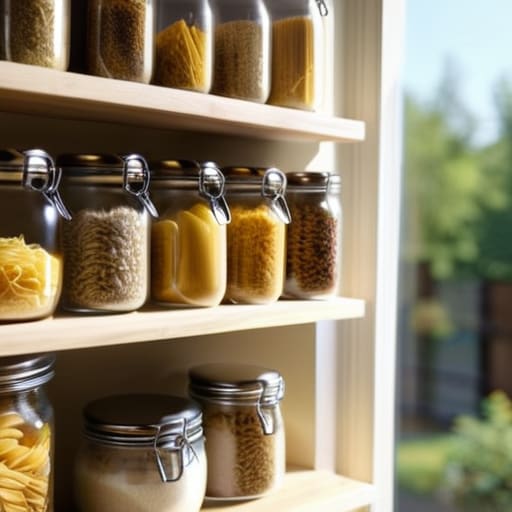
If you ask me, nothing is more frustrating than getting halfway through a recipe only to realize you’re out of a base grain. I keep a heavy rotation of high-quality long-grain rice and a few varieties of pasta in my pantry at all times. These aren’t just side dishes; they are the reliable structural components of a quick meal when your brain is too fried from work to think about complex cooking.
Liquid Gold for Instant Flavor
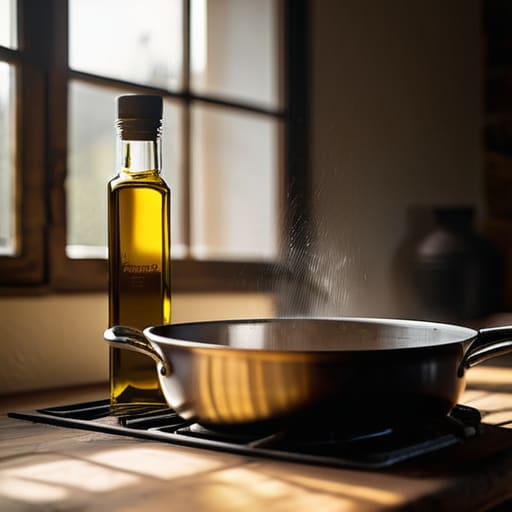
You can make a mediocre meal taste decent with salt, but you can make a great meal with a high-quality olive oil and a decent stock. I always keep a bottle of extra virgin olive oil and at least two cartons of vegetable or chicken stock tucked away in the back of the cupboard. These act as the essential lubricants for your cooking process, adding depth to everything from a simple sauté to a quick pan sauce.
The Canned Safety Net
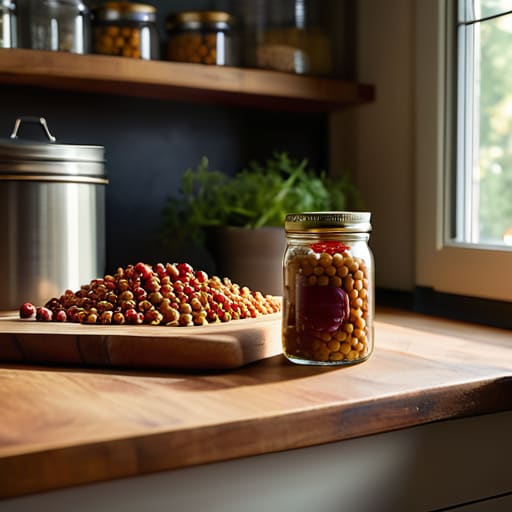
I’ve learned the hard way that relying solely on fresh produce is a recipe for chaos. That’s why my pantry always has a “safety net” of canned beans and crushed tomatoes. Whether it’s chickpeas for a quick salad or a tin of tomatoes for a makeshift pasta sauce, these items provide a predictable texture and flavor that you can rely on even when the fridge is looking a bit bare.
Aromatics That Never Expire
Most people forget that flavor starts long before the heat hits the pan. I keep a steady supply of dried herbs—specifically oregano, thyme, and red pepper flakes—alongside a few jars of garlic paste or minced garlic in oil. These are the low-maintenance tools that transform a bland pile of grains into an actual dish without requiring you to peel and chop fresh cloves every single time.
The Versatile Protein Shortcut
When the day has been particularly draining, the last thing I want to do is manage a complex protein. This is why I always keep a few cans of high-quality tuna or salmon, and perhaps some vacuum-sealed lentils, in the pantry. They are instantaneous solutions to the problem of hunger, providing the necessary fuel to keep me going without the heavy lifting of traditional meal prep.
The Bottom Line
Don’t aim for a gourmet warehouse; aim for a reliable foundation that eliminates the “what’s for dinner” panic.
Treat your pantry like a system—keep it stocked, keep it simple, and keep it functional so it works for you, not against you.
The goal isn’t just having food on hand, it’s reclaiming the mental energy you usually waste on unnecessary grocery runs.
The Philosophy of the Prepared Pantry
“A well-stocked pantry isn’t about hoarding groceries; it’s about building a buffer against decision fatigue. When the basics are already there, you aren’t just saving a trip to the store—you’re reclaiming the mental energy you’d otherwise waste on the chaos of a ‘what’s for dinner’ crisis.”
Liam Anders Chen
Building Your Foundation
At the end of the day, a well-stocked pantry isn’t about hoarding food or mimicking a gourmet chef; it’s about building a reliable system that works for you. By keeping these five essentials—the grains, the oils, the aromatics, and the versatile proteins—on hand, you are effectively removing the friction from your evening routine. You won’t have to stare blankly into a half-empty fridge at 6:30 PM or succumb to the temptation of expensive, unhealthy takeout just because you didn’t have a plan. These items are your operational safety net, ensuring that no matter how chaotic your workday becomes, dinner remains a solved problem rather than a new source of stress.
I know how easy it is to let these small details slip through the cracks when life gets loud, but I promise you that the effort is worth the payoff. Managing your kitchen this way is just one small way to reclaim your time and mental energy from the constant micro-decisions that drain us. Don’t feel like you need to overhaul your entire kitchen overnight. Just pick one or two of these items to add to your next grocery run and start building your foundation. Once you have the basics dialed in, you’ll realize that true freedom comes from having the tools ready before you even realize you need them.
Frequently Asked Questions
How do I know when these staples are actually going bad if they're stored in unopened containers?
Look, even in a sealed container, things can go sideways. I always do a quick sensory check before I cook. For dry goods like pasta or grains, look for any signs of moisture or unexpected clumps—that’s a red flag. If you open a jar and it smells off or looks discolored, toss it. Don’t risk a bad meal just to save a few dollars. Trust your nose and your eyes.
Is it worth investing in higher-quality versions of these items, or should I stick to the budget brands?
Look, I’m a systems guy—I care about ROI, not just spending money. For basics like salt or dried lentils, don’t bother with the premium labels; the budget stuff works perfectly fine. However, I always invest a little extra in my olive oil and spices. Cheap oils can taste like nothing, and stale spices ruin a dish. Buy the essentials in bulk to save, but splurge on the flavors that actually carry the weight of the meal.
How much space should I actually set aside for a "minimalist" pantry without it becoming cluttered again?
Don’t aim for a specific square footage; aim for a specific volume. I’ve learned that a massive pantry is just a graveyard for expired cans. Instead, designate one single, medium-sized shelf or a slim pull-out cabinet. If you can’t see everything at a glance, you’ve already lost the battle. Keep it small enough that you’re forced to finish what you buy. That’s how you prevent the clutter from creeping back in.