I’m tired of seeing those “aesthetic” organization videos where people spend hundreds of dollars on matching velvet hangers and acrylic bins just to look good on camera. It’s a performance, not a system. If you’re looking for a way to learn how to organize a closet by buying your way out of a mess, you’re wasting your time and your money. Real organization isn’t about decor; it’s about reducing friction. I’ve spent enough time as an operations manager to know that if a system is too complex to maintain when you’re tired or running late, it’s a broken system.
I’m not here to sell you a lifestyle or a set of expensive containers. Instead, I’m going to show you how to apply a bit of systems engineering to your wardrobe so you can stop fighting your clothes every morning. We are going to strip away the excess and build a functional framework based on how you actually move and live. By the end of this, you won’t just have a tidier space; you’ll have reclaimed those precious minutes of mental clarity you lose every single morning.
Table of Contents
Mastering Decluttering Clothes Tips to Reclaim Your Time
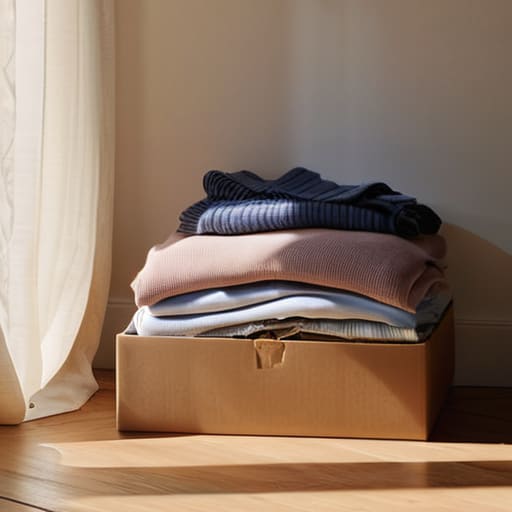
Before you even think about buying fancy bins or new hangers, you have to face the mess. Most people fail at organization because they try to arrange chaos rather than removing it. I’ve learned through years of streamlining operations that you can’t optimize a system that’s overloaded with junk. Start by pulling everything out. If you haven’t worn it in a year, or if it makes you feel like you’re wearing a costume rather than actual clothes, it goes. These decluttering clothes tips aren’t about being precious; they’re about clearing the mental friction that happens every time you open those doors.
Once you’ve stripped the excess, focus on what’s left. If you’re dealing with limited square footage, you need to look up. I’m a big believer in maximizing vertical closet space to keep the floor clear and the visual noise low. Use the top shelves for things you rarely touch and keep your daily drivers at eye level. By treating your wardrobe like a well-oiled machine rather than a junk drawer, you stop fighting your clothes and start actually using them.
Small Closet Organization Hacks for Instant Mental Clarity
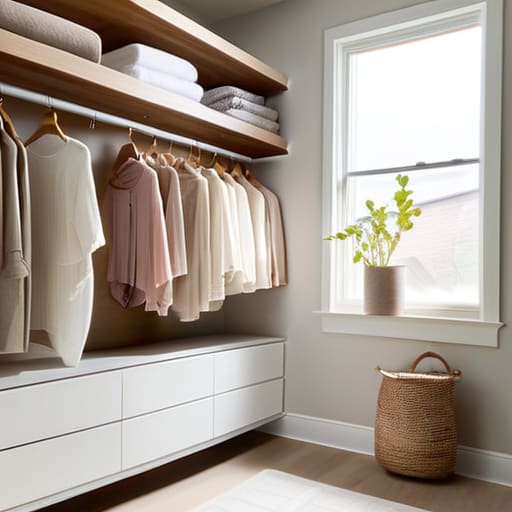
Once you’ve cleared the floor, the real work begins: optimizing the footprint you actually have. When you’re dealing with limited square footage, you have to stop thinking horizontally and start maximizing vertical closet space. I used to stare at my cramped wardrobe feeling overwhelmed, but the fix was simple—I looked up. Adding extra shelving or using hanging organizers allows you to stack items without them becoming a mountain of fabric. It’s about creating layers of order rather than just shoving things into a single, crowded rod.
For the smaller items that usually end up in a tangled heap at the bottom, I swear by specific closet storage solutions for small spaces. Don’t just toss socks or belts into a pile; grab some clear, stackable bins or specialized dividers. This isn’t about being precious; it’s about reducing the friction of your morning routine. When every item has a dedicated “home,” your brain doesn’t have to work overtime just to find a clean pair of jeans. It’s a small shift in systems that yields a massive return in mental clarity.
Five Systems to Keep Your Closet from Fighting Back
- Stop using those flimsy wire hangers. They warp your clothes and create visual chaos; switch to uniform velvet or wooden hangers to stabilize your rack and reclaim your mental space.
- Implement a “one-in, one-out” rule for every new piece of clothing you buy. It’s a simple mechanical system that prevents your closet from ever reaching critical mass again.
- Group your items by category and then by color. It sounds tedious, but it turns a frantic morning search into a quick, logical scan, saving you precious minutes every single day.
- Utilize vertical space with clear, stackable bins for off-season gear. If you can’t see it, you won’t use it, and if you can’t use it, it’s just clutter taking up valuable real estate.
- Keep a “maybe” box tucked away. If you haven’t reached for an item in six months, don’t let it take up prime hanging space—put it in the box and reassess in thirty days.
The Bottom Line: Systems Over Stuff
Stop trying to organize clutter; if you haven’t worn it in a year, it’s just taking up mental bandwidth you don’t have.
Invest in uniform, functional tools—like matching hangers and clear bins—to eliminate the visual noise that slows you down every morning.
Treat your closet like a system, not a storage unit; if a layout doesn’t work for your daily routine, change it immediately.
The Philosophy of Space
“A closet shouldn’t be a graveyard for decisions you’re too tired to make; it should be a streamlined system that serves you, so you can stop hunting for lost items and start actually living your day.”
Liam Anders Chen
Reclaiming Your Space and Your Morning
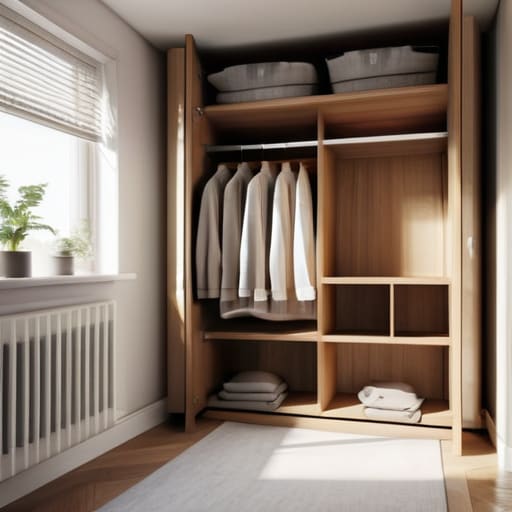
At the end of the day, organizing your closet isn’t about achieving some Pinterest-perfect aesthetic; it’s about reducing friction. We’ve covered how to aggressively declutter the items that no longer serve you, how to implement small hacks that maximize every inch of vertical space, and how to create a system that actually works for your specific routine. When you stop fighting against a mountain of discarded clothes and start utilizing a streamlined, functional setup, you aren’t just tidying a room—you are optimizing your daily workflow. A closet that works with you instead of against you is one of the simplest ways to eliminate decision fatigue before your day even truly begins.
I know that starting this process can feel overwhelming, especially when you’re already juggling a million other responsibilities. But remember, you don’t need to overhaul your entire life in a single afternoon. Start small, be consistent, and focus on building systems that last. My goal is for you to walk into your closet every morning and feel a sense of calm rather than a sense of chaos. Strip away the excess, keep only what is useful, and make room for the life you actually want to live. You’ve got this.
Frequently Asked Questions
How do I decide what to keep when I'm emotionally attached to clothes I haven't worn in years?
Look, I get it. That vintage jacket represents a version of you that you aren’t ready to let go of. But here’s the reality: your closet should be a tool for your current life, not a museum for your past. If you haven’t worn it in two years, it’s just taking up mental bandwidth. Try the “container method.” If it doesn’t fit the life you’re living today, move it to a storage bin. If you don’t reach for it in six months, let it go.
What are the best low-cost storage tools that actually last instead of cheap plastic bins that crack?
Look, I’ve gone through enough cracked plastic bins to know they’re a waste of money and mental energy. If you want gear that actually lasts, skip the bargain aisles. I swear by heavy-duty canvas bins for soft goods—they breathe and don’t shatter. For hard items, look for powder-coated metal wire baskets or solid wood dividers. They’re a bit more upfront, but they won’t fail you when you’re actually trying to stay organized.
How can I keep my closet organized once I’ve set the system up, especially when my schedule gets chaotic?
The trick isn’t finding more time; it’s lowering the friction of staying organized. When life gets chaotic, your system has to be foolproof. I use a “one-in, one-out” rule to prevent overflow, but my real secret is the five-minute reset. Every Sunday night, I spend just five minutes returning items to their designated spots. Don’t aim for perfection—aim for maintenance. If the system is too complex to follow when you’re tired, it’s a bad system.