I remember walking into my first solo apartment after a long week of managing operations at the firm, only to be hit by a wall of stale, lingering garlic and damp laundry that felt almost physical. It wasn’t just a smell; it was mental clutter that made it impossible to actually relax in my own space. Most people will tell you to go out and buy a dozen expensive, synthetic-scented aerosols that just mask the problem with a layer of chemical perfume. But if you’re looking for how to get rid of household odors without turning your living room into a laboratory, you need to stop chasing scents and start addressing the source.
I’m not here to sell you on “miracle” sprays or complicated multi-step rituals that eat up your Saturday. My approach is much more direct: we are going to use simple, mechanical logic to neutralize smells and restore your environment. I’m going to share the exact, low-maintenance systems I use to keep my home smelling neutral and clean, focusing on functional solutions like baking soda, ventilation hacks, and deep-cleaning the overlooked spots. Let’s strip away the complexity and get your home back to being a place where you can actually breathe.
Table of Contents
Neutralizing Pet Odors Without the Chemical Chaos
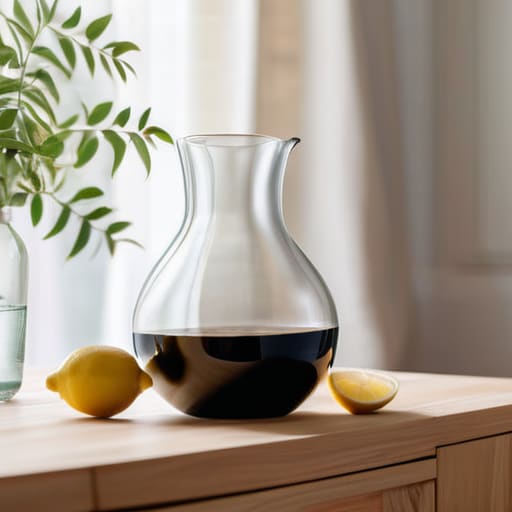
If you share your space with a dog or cat, you know the drill: you clean the floors, but that lingering “pet smell” still seems to hang in the air. I used to reach for those heavy-duty aerosol sprays, but they always felt like I was just masking the problem with a layer of artificial lavender. Instead, I’ve moved toward neutralizing pet odors using methods that actually work without turning my living room into a chemistry lab.
My go-to system is simple. For carpets or fabric couches where accidents tend to happen, I sprinkle a generous layer of baking soda over the area. Let it sit for at least thirty minutes—or overnight if you can be patient—before vacuuming it up. This acts as a powerful baking soda odor absorber that pulls the scent out of the fibers rather than just sitting on top of them. For a more proactive approach, I keep a small jar of dried herbs or a few drops of citrus essential oils for home scent near the pet station. It keeps the air feeling crisp and clean, allowing you to focus on your pet rather than the smell they leave behind.
Eliminating Kitchen Smells for a Faster Cleanup
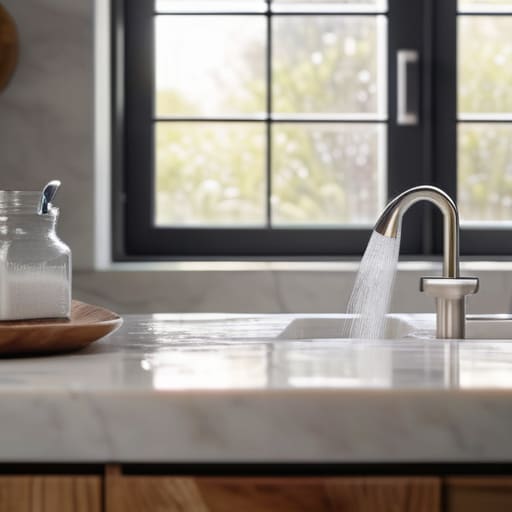
The kitchen is the heart of the home, but it’s also the primary source of sensory overload. If you’ve ever finished cooking a heavy garlic pasta only to have that scent haunt your living room for three days, you know the frustration. Instead of reaching for a heavy, synthetic spray that just masks the problem, I prefer a more systematic approach to eliminating kitchen smells. Start by tackling the source: the trash and the sink drain. I keep a small box of baking soda tucked under the sink; sprinkling a bit down the drain after washing dishes works wonders for neutralizing those lingering organic scents.
If you want a more active solution, try a simple natural air freshener DIY by simmering a small pot of water on the stove with lemon slices and a sprig of rosemary. It’s efficient, cheap, and doesn’t leave behind a chemical film on your countertops. My rule is simple: clean the surface, neutralize the air, and get back to your evening. It’s about minimizing the time you spend fighting your environment so you can actually enjoy your meal.
Five Low-Effort Systems to Keep Your Air Clear
- Keep a box of baking soda in the fridge and sprinkle it on any old leftovers before they turn. It’s a simple preventative measure that stops the smell before it even starts.
- Stop relying on heavy sprays that just mask the problem; instead, grab a small bowl of white vinegar and leave it in a corner of a room for an hour to naturally pull odors out of the air.
- Clean your trash can with a quick wipe of diluted tea tree oil once a week. It’s a small, repeatable task that keeps the base of the bin from becoming a permanent scent issue.
- Don’t let damp towels sit in a pile. Hang them up immediately or toss them in the wash; moisture is the fastest way to turn a clean house into a stale one.
- Use activated charcoal bags in closets or near shoes. They’re low-maintenance, functional, and do the heavy lifting of absorbing humidity and funk without you having to lift a finger.
The Bottom Line: Systems for a Fresher Home
Stop masking smells with heavy sprays; target the source with simple, mechanical solutions like baking soda or vinegar to actually clear the air.
Treat odor control as a maintenance task, not a crisis, by integrating quick five-minute cleanups into your existing weekly routine.
Keep your cleaning toolkit minimal and functional—you don’t need a cabinet full of chemicals when a few basic, effective ingredients do the job better.
## The Philosophy of a Fresh Space
“A home shouldn’t feel like a battleground against lingering smells; it should be a place where you can actually breathe, clear your head, and focus on what matters.”
Liam Anders Chen
Reclaiming Your Atmosphere
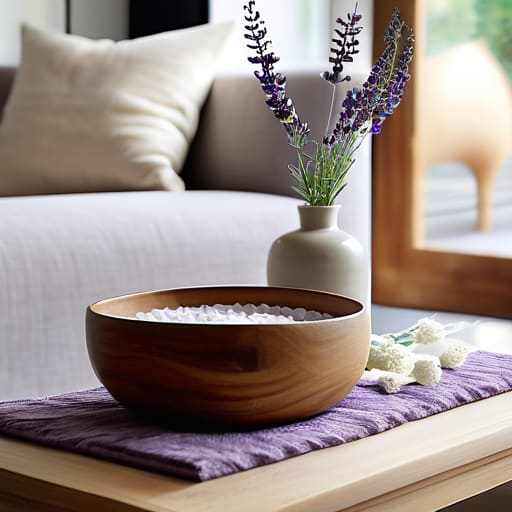
At the end of the day, tackling household odors isn’t about buying every expensive, scented spray on the supermarket shelf; it’s about implementing a few intentional systems. Whether you’re neutralizing pet scents with simple baking soda or keeping your kitchen from smelling like last night’s garlic pasta, the goal is to move from reactive cleaning to proactive maintenance. By addressing these small friction points—the lingering smells that distract you the moment you walk through the door—you stop fighting your environment and start mastering your space. It’s much easier to maintain a clean slate than it is to scrub away a week’s worth of accumulated grime and scent.
I’ve learned through years of managing chaotic operations that the smallest details often dictate our overall quality of life. A home that smells fresh isn’t just a luxury; it’s a foundation for mental clarity and relaxation. When your physical surroundings are dialed in, your brain finally has the permission it needs to unplug and reset. Don’t let a stale room steal your focus or your peace of mind. Pick one of these methods, execute it today, and reclaim the headspace you deserve. Your home should be your sanctuary, not another item on your to-do list.
Frequently Asked Questions
What are some natural ways to keep my bathroom smelling fresh without using those heavy, artificial sprays?
Stop masking bathroom smells with those heavy, synthetic sprays; they just add more clutter to your air. Instead, try a simple reed diffuser with essential oils like eucalyptus or peppermint—it’s functional and subtle. I also keep a small bowl of activated charcoal tucked behind the toilet to naturally absorb moisture and odors. It’s a low-maintenance system that keeps the space fresh without turning your bathroom into a chemical factory.
Are there specific fabrics or rugs that tend to trap odors more than others, and how do I actually clean them?
It’s usually the heavy hitters: high-pile rugs, velvet curtains, and upholstered sofas. These fibers act like sponges for everything from cooking grease to pet dander. To tackle them without a massive deep-clean project, I swear by the baking soda method. Sprinkle a thin, even layer over the fabric, let it sit for at least thirty minutes to pull the moisture and scent out, then vacuum it up thoroughly. It’s a simple, low-effort system that actually works.
How often should I be deep-cleaning my air filters or vents to make sure I'm not just circulating stale smells?
If you’re just cleaning surfaces but ignoring the air, you’re spinning your wheels. For most of us, I aim to check my HVAC filters every 30 to 90 days. If you have pets or live in a dusty area, lean toward the 30-day mark. As for the vents, I do a quick vacuum of the grates once a month. It’s a small, five-minute system that keeps the air crisp instead of stale.