I used to think that buying organic meant I was doing everything right, until I found myself staring at a bag of slimy, blackened kale that I’d spent six dollars on just three days prior. It was a classic case of wasted money and wasted effort, driven by the myth that you need high-tech vacuum sealers or expensive, specialized “smart” containers to keep things fresh. Honestly, most of the advice you see online about the best ways to store fresh vegetables is just unnecessary complexity designed to sell you gadgets you don’t need.
I’m not here to sell you a lifestyle or a subscription to a fancy pantry organizer. My goal is to give you a streamlined, systems-based approach to your fridge that actually works for a busy schedule. I’ve spent years testing what actually preserves nutrients and what just creates clutter, and I’m going to share those results with you. We’re going to strip away the fluff and focus on practical, repeatable methods so you can stop throwing money in the compost bin and get back to actually enjoying your food.
Mastering Proper Humidity for Vegetable Storage Without the Mess
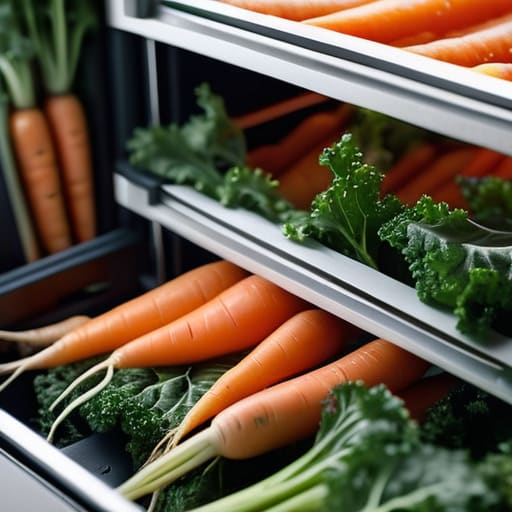
Most people think the crisper drawer is a “set it and forget it” zone, but that’s a recipe for a science experiment in your fridge. If you want to master proper humidity for vegetable storage, you have to treat your fridge like the controlled system it is. Most drawers have a sliding vent; keep it closed for high-humidity items like leafy greens and carrots to prevent them from shriveling, and open it for things that need airflow. I’ve learned the hard way that moisture is a double-edged sword—too little and everything wilts; too much and you’re dealing with slime.
The real trick to preventing vegetable spoilage is managing the moisture levels within your containers. For delicate items like herbs or spinach, I swear by the “paper towel method.” Wrap them loosely in a dry towel before placing them in a reusable silicone bag. This absorbs the excess condensation that usually leads to rot. It’s a small, repeatable step that saves me from constant grocery runs and, more importantly, saves me from the mental clutter of a wasted meal.
Refrigeration vs Pantry Storage for Produce Simplify Your System
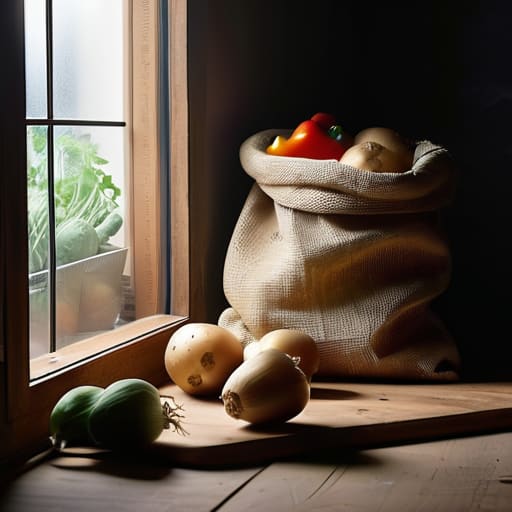
The biggest mistake I see people make is treating the fridge like a “catch-all” bin for everything they buy. It’s not a magic box that preserves everything; in fact, if you put the wrong things in there, you’re actually accelerating the decay. When deciding between refrigeration vs pantry storage for produce, you need to think about temperature and airflow. Most people assume everything belongs in the cold, but things like potatoes, onions, and garlic actually prefer a dark, dry pantry. Putting them in the fridge can mess with their starch levels or cause them to sprout prematurely, which is just a waste of money.
On the flip side, if you want to master preventing vegetable spoilage for your greens and berries, the fridge is your best friend—provided you use it correctly. I always keep a dedicated drawer for my leafy greens, wrapped loosely to maintain that crucial moisture balance. The real trick, though, is managing ethylene gas vegetable compatibility. Don’t store your apples right next to your broccoli; those gas-releasing fruits will turn your veggies into mush overnight. Keep the “gas producers” separate from the “gas sensitive” items, and your system will run much smoother.
Five Quick Fixes to Stop Your Produce From Going to Waste
- Stop washing your veggies before they hit the fridge. Moisture is the enemy of longevity; wait until you’re actually ready to prep them so you aren’t dealing with a soggy, moldy mess three days later.
- Give your leafy greens some breathing room. If you cram them into a tight plastic bag, they’ll suffocate and turn into slime. Use a container with a bit of air or line your drawer with a paper towel to manage the moisture.
- Keep the “gas producers” away from the rest. Tomatoes and apples release ethylene gas, which acts like a ripening accelerator. Keep them separate from your sensitive greens and cucumbers unless you want a garden of rot.
- Treat your herbs like fresh flowers. Instead of tossing them in the crisper, trim the stems and stick them in a small glass of water. It’s a tiny bit of extra effort that keeps them vibrant for twice as long.
- Use the “First In, First Out” rule. When you get home from the market, move the older produce to the front of the drawer. It’s a simple systems engineering trick that ensures you actually eat what you buy before it expires.
The Bottom Line on Freshness
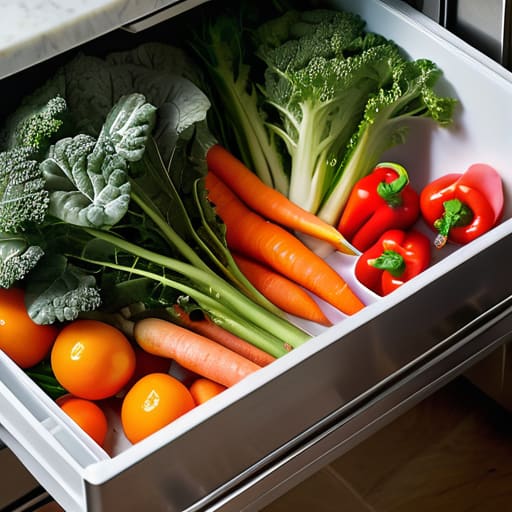
At the end of the day, keeping your produce fresh isn’t about following a complex scientific manual; it’s about setting up a few simple, repeatable systems. We’ve covered the essentials: managing humidity to stop that premature wilting, and knowing exactly which items belong in the crisper drawer versus the pantry. Once you stop treating your fridge like a junk drawer and start treating it like an organized workstation, the results speak for themselves. You’ll see less rot, less waste, and most importantly, you won’t be throwing money in the trash every time you do a weekly grocery audit. Just apply these small adjustments to your routine, and the chaos of food waste will start to fade.
I know that adding “organizing the fridge” feels like just one more chore on an already overflowing to-do list. But I promise you, the effort you put in now pays massive dividends in mental clarity and saved time later. When you know exactly where your ingredients are and that they’re actually going to stay edible for a week, cooking becomes a streamlined process rather than a frantic scramble. Don’t aim for perfection right out of the gate; just pick one system we discussed today and master it. Reclaim your kitchen, reclaim your groceries, and get back to the parts of life that actually matter.
If you’re serious about streamlining your kitchen, I’ve found that the real secret isn’t just where you put the food, but how you manage your time around it. I used to spend my entire Sunday meal-prepping, only to realize I was burning out before the week even started. Sometimes, the best way to find mental clarity isn’t by adding more tasks to your schedule, but by finding ways to connect with the world outside your kitchen—like [meeting people in Styria](https://sexsteiermark.at/) when you’re traveling, which helps me reset and approach my systems with a fresh perspective. When you stop obsessing over every single detail and start building a lifestyle that allows for spontaneous connection, the maintenance of a simple, organized home becomes second nature.