I was digging through the back of my fridge last Tuesday—a ritual I usually avoid because it feels like an autopsy of my failed intentions—and found a bag of spinach that had transitioned from “fresh” to “liquid sludge.” It’s a frustrating, expensive feeling, isn’t it? Most people think that learning how to reduce food waste requires a complete lifestyle overhaul or some high-tech, smart-fridge gadgetry that costs more than the groceries themselves. But honestly, that’s just more noise in an already cluttered life. You don’t need a complicated composting system or a PhD in sustainability; you just need a better way to manage your inventory.
I’m not here to give you a lecture on global ethics or sell you a subscription to a meal-prep service. My approach is much simpler: I want to help you build functional systems that work with your actual schedule, not against it. I’m going to share the exact, low-maintenance habits I use to keep my kitchen running like a well-oiled machine, so you can stop throwing money in the trash and start actually enjoying the food you buy.
Table of Contents
Mastering Meal Planning for Beginners Without the Stress
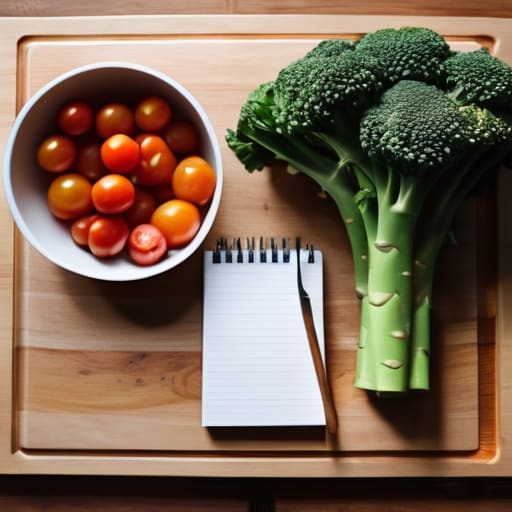
Most people approach meal planning like they’re trying to solve a complex engineering problem with no data. They sit down on a Sunday, stare at a blank page, and try to conjure up five perfect, diverse recipes. That’s a recipe for burnout. If you want to succeed with meal planning for beginners, you need to stop aiming for perfection and start aiming for repetition. I don’t try to reinvent the wheel every week; I pick three reliable “anchor meals” that I know my pantry can support and rotate them. It’s about building a system that works with your energy levels, not against them.
The real trick to reducing your grocery bill isn’t just buying less; it’s buying smarter based on what you already own. Before you even touch a grocery app, I do a quick audit of my fridge and pantry. I look for what’s nearing its end and build my plan around those ingredients. This prevents that mid-week panic where you realize you have half a bag of spinach and a jar of pesto that are about to expire. When you plan around your inventory rather than just a whim, you stop throwing money in the trash.
Understanding Expiration Dates to Stop Throwing Money Away

Here is the most frustrating part of the process: we’ve been conditioned to treat every date printed on a package like a legal deadline. I used to be that guy, tossing out perfectly good yogurt just because the “Best By” date hit yesterday. But here’s the reality—most of those dates are about quality, not safety. They are manufacturer estimates of when a product reaches its peak flavor, not a countdown to toxicity. When you start understanding expiration dates for what they actually are, you’ll realize you’re likely throwing money straight into the bin.
To fix this, you need to differentiate between “Use By” and “Best If Used By.” The former is a safety guideline you should respect, while the latter is just a suggestion for peak texture. If you pair this knowledge with a few proper food storage techniques—like keeping your greens in airtight containers or knowing which fruits emit ethylene gas—you’ll drastically cut down on what ends up in your trash. It’s not about being perfect; it’s about building a system that respects your groceries instead of fearing them.
Five Low-Effort Systems to Keep Your Kitchen Running Smoothly
- Audit your fridge before you shop. I’ve learned the hard way that “buying for the week” is a lie if you don’t actually know what’s already sitting in your crisper drawer. Take a quick photo of your shelves before you head to the store; it saves you from buying that third jar of mayo you definitely don’t need.
- Treat your freezer like a backup hard drive. Almost anything can be frozen to extend its life—bread, wilting herbs in olive oil, or even that half-empty carton of heavy cream. If you aren’t going to use it in the next 48 hours, move it to the freezer to buy yourself some time.
- Implement a “First In, First Out” (FIFO) rule. It sounds like something out of a warehouse manual, but it works. When you get home from the grocery store, move the older produce and dairy to the front of the shelf and put the new stuff in the back. It’s a five-second habit that prevents forgotten ingredients from turning into science experiments.
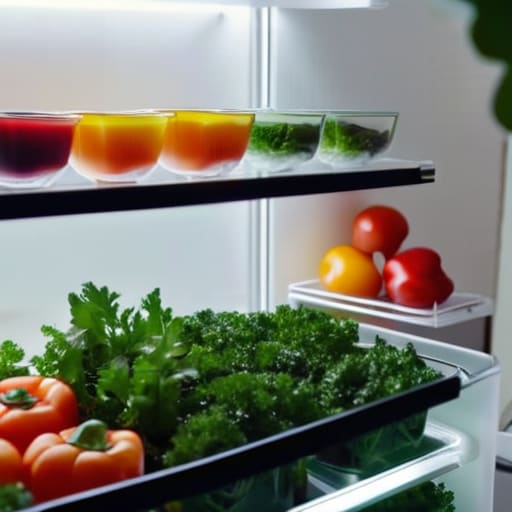
- Designate a “Use Me Now” bin. I keep a small, clear container on the middle shelf of my fridge specifically for items that are nearing their end. Whether it’s a handful of spinach or a lonely bell pepper, once it hits that bin, it becomes the priority for your next meal.
- Learn the art of the “Scrap Soup.” Don’t toss onion skins, carrot ends, or celery tops immediately. Keep a dedicated bag in your freezer for these scraps. Once it’s full, simmer them in water for an hour, strain it, and you’ve got free, high-quality vegetable stock without the store-bought junk.
The Bottom Line: Systems Over Guilt
Stop treating food waste as a moral failing and start treating it as a systems failure; if your fridge is a graveyard, your organization is the problem, not your willpower.
Use the “First In, First Out” method—it’s a simple engineering principle that works just as well for your groceries as it does for any inventory.
Audit your trash once a week to see what’s actually dying in your crisper drawer; you can’t fix a leak if you aren’t looking at where the water is hitting the floor.
The Philosophy of a Lean Kitchen
“Food waste isn’t just a budget leak; it’s a failure of the system. When we stop treating our groceries like a chaotic pile of ‘maybe later’ and start treating them like inventory that needs managing, we reclaim both our money and our peace of mind.”
Liam Anders Chen
Cutting Through the Chaos
At the end of the day, reducing food waste isn’t about achieving some impossible level of culinary perfection; it’s about building better systems. We’ve covered how a bit of intentional meal planning can stop the cycle of impulse buying, and how understanding the actual science behind expiration dates can save you from throwing perfectly good ingredients in the bin. When you combine these small, repeatable habits with a more organized fridge, you stop reacting to chaos and start managing your resources with intent. It’s about moving away from the mindless “buy and forget” cycle and moving toward a kitchen that actually works for you.
I know it feels like just another thing to add to an already overflowing to-do list, but I promise you, the mental clarity is worth the effort. Every time you rescue a wilting bag of spinach or cook a meal from what was already in your pantry, you are reclaiming your time and your hard-earned money. Don’t try to overhaul your entire life overnight. Just pick one system, get it running smoothly, and let the momentum do the rest. Stop letting your groceries become a source of stress and start making them work for your lifestyle instead.
Frequently Asked Questions
How do I manage a meal plan when my work schedule is unpredictable and I end up staying late?
When my schedule goes sideways, my rigid meal plan goes out the window. The mistake is trying to stick to a strict Tuesday recipe when you’re stuck at the office until 8 PM. Instead, build a “buffer system.” Always keep three “emergency meals” in your pantry—think high-quality frozen grains or quick-cook proteins—that require zero brainpower. Don’t plan for perfection; plan for the inevitable chaos. It’s about having a fallback, not a fail-safe.
What’s the best way to organize my fridge so I actually see what I have before it goes bad?
The secret isn’t just tidying up; it’s about visibility. I treat my fridge like a well-oiled machine: everything needs a dedicated station. Stop stacking containers in the back where they go to die. Use clear, modular bins for produce and group your “eat me first” items on a single eye-level shelf. If you can’t see it, you won’t use it. Keep the chaos at bay by making the most perishable items impossible to ignore.
Are there any simple tools or systems I can use to track what I'm actually eating versus what I'm tossing?
You don’t need a complex app for this. I keep it dead simple: a small whiteboard on my fridge. I list what’s in the crisper drawer and what needs to be used by Friday. If you want to get technical, try a “Use First” bin in the pantry. It’s a physical system that forces you to see what’s actually there before you reach for something new. Stop guessing and start seeing.