I still remember sitting on a cardboard box in my first studio apartment, surrounded by a mountain of “essential” kitchen gadgets I’d bought on impulse, only to realize I didn’t even have a single working screwdriver to put my bed frame together. Most online guides will try to sell you a dream of a fully-stocked, Pinterest-perfect home, but that’s a recipe for wasted money and mental clutter. A real first apartment checklist shouldn’t be a shopping spree; it should be a strategic blueprint designed to prevent the kind of chaos that keeps you up at 2:00 AM.
I’m not here to tell you which designer candle to buy or which trendy air fryer is worth the counter space. My goal is to strip away the fluff and give you a functional, high-efficiency list of the tools and basics you actually need to keep your life running smoothly from day one. We’re going to focus on systems over stuff, ensuring you have exactly what’s required to maintain your space without drowning in unnecessary complexity. Let’s get organized so you can actually start living in your new home.
Table of Contents
The Kitchen Starter Kit List for Real Living
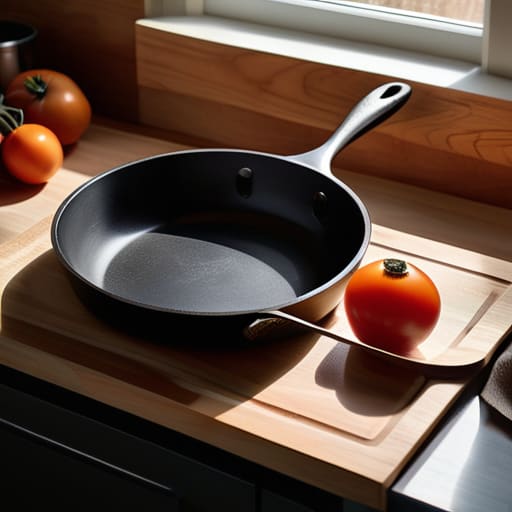
Most people treat their first kitchen like a showroom, buying every gadget under the sun only to realize they don’t have the counter space to use them. I made that mistake early on. Instead, focus on a high-utility kitchen starter kit list that prioritizes durability over aesthetics. You need one decent chef’s knife, a heavy-bottomed saucepan, and a cast-iron skillet that can handle everything from eggs to searing protein. If you have these basics, you can cook 90% of your meals without needing a specialized gadget for every single recipe.
Beyond the cooking gear, don’t overlook the “invisible” essentials. I always tell people to pack a small kit of cleaning supplies for new renters—think dish soap, a sponge, and multi-surface spray—right at the top of their moving boxes. There is nothing more frustrating than finishing a long day of moving only to realize you have no way to wipe down the counters or wash your only coffee mug. Keep it simple: if it doesn’t serve a daily purpose, it doesn’t belong in your new cabinets.
First Apartment Bedroom Necessities Without the Clutter
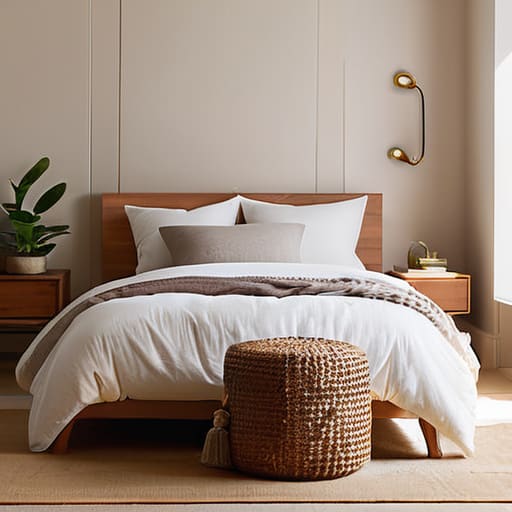
Your bedroom shouldn’t feel like a storage unit for things you’ll never use. When I moved into my first place, I made the mistake of buying a massive, ornate dresser that swallowed the entire room. Now, I approach my bedroom setup with a systems-engineering mindset: focus on the sleep hygiene and the essentials, then add the rest later. Your primary goal is to secure a quality mattress and two sets of decent sheets. If you can’t sleep, the rest of your productivity goes out the window. Think of these as your first apartment bedroom necessities—the non-negotiables that actually impact your quality of life.
Once the bed is set, keep the rest of the footprint minimal. A simple bedside lamp and a small, functional nightstand are plenty to start. You don’t need a curated gallery of art immediately; instead, focus on light and organization. If you’re working with a tight budget, look for multi-functional furniture that serves two purposes, like an ottoman with hidden storage. This keeps your space from feeling chaotic while you’re still settling in.
5 Systems to Prevent Moving Day Chaos
- Buy your “Day One” essentials in a single, dedicated bin. I’m talking about the things you’ll need the second you walk through the door—toilet paper, a shower curtain, a phone charger, and basic cleaning supplies—so you aren’t digging through taped-up boxes just to brush your teeth.
- Measure your floor plan before you buy a single piece of furniture. There is nothing more frustrating than hauling a heavy dresser into a room only to realize it blocks the closet door; use a simple tape measure and sketch it out in your notebook first.
- Invest in a high-quality toolkit early. You don’t need a massive chest of tools, but having a reliable screwdriver set and a hammer on hand will save you from the headache of struggling with flat-pack furniture or loose cabinet handles.
- Prioritize multi-functional items over “aesthetic” decor. When space is limited, a storage ottoman or a desk that doubles as a dining surface is worth ten times more than a trendy piece of art that serves no functional purpose.
- Set up your digital “Command Center” immediately. Create a single folder or note for all your new lease documents, utility account numbers, and maintenance contacts so you aren’t hunting through your email every time a lightbulb needs changing or a bill is due.
The Minimalist Moving Mindset
Buy for function, not for “someday”—if you haven’t used a specific gadget in your current place, you don’t need it in your new one.
Prioritize the “Day One” essentials like tools and basic cleaning supplies so a small mess doesn’t turn into a week of chaos.
Focus on quality over quantity to avoid the clutter trap; one good chef’s knife is better than a cheap ten-piece set that breaks in a month.
The Philosophy of the Checklist
“A checklist isn’t about making a long list of things to buy; it’s about building a system that prevents the small, annoying frictions of daily life from stealing your focus before you’ve even settled in.”
Liam Anders Chen
Final Thoughts on Building Your Foundation
At the end of the day, this checklist isn’t about buying every gadget on the shelf; it’s about strategic preparation. We’ve covered the kitchen essentials that actually make cooking possible, the bedroom basics that ensure you get decent sleep, and the small tools that prevent a minor inconvenience from turning into a weekend-ruining crisis. My goal was to help you avoid that common trap of overbuying junk you’ll never use, only to realize you’re missing a single, crucial screwdriver when you need it most. Focus on the functional core of your space first. Once you have the basics dialed in, you can slowly layer in the personality and the decor without the stress of living in a half-functional shell.
Moving into your first place is a massive milestone, but don’t let the logistics of the transition swallow up the joy of the achievement. The systems we build today—the organized drawers, the stocked pantry, the reliable toolkit—are what allow you to stop managing your environment and start actually enjoying it. You didn’t move out to spend every evening troubleshooting a broken faucet or searching for a clean plate. Set your foundation, keep it simple, and leave plenty of room for the life you’re about to build. You’ve got this.
Frequently Asked Questions
How do I know which tools are actually worth buying versus what I can just borrow from a neighbor?
Look, don’t turn your new place into a storage unit for one-off tools. If you’re going to use it once a year—like a heavy-duty power drill or a specialized socket set—just ask a neighbor or borrow one. Focus your budget on the “daily drivers”: a solid multi-bit screwdriver, a reliable tape measure, and a decent hammer. If it’s something you’ll reach for every time a shelf wobbles or a battery dies, buy it once, buy it well.
I'm on a tight budget—what are the absolute non-negotiables I should prioritize on day one?
If you’re on a tight budget, forget the decorative stuff. Focus on the “survival trifecta”: sleep, hygiene, and basic nourishment. Prioritize a decent mattress (or even a high-quality air mattress) and one set of towels. For the kitchen, you only need one versatile pan, one chef’s knife, and a way to eat. Everything else is just noise. Buy these essentials first; you can hunt for the rest as your system settles.
How do I avoid the trap of buying way too much stuff that just ends up cluttering my new space?
The biggest mistake I see is shopping for a “dream lifestyle” instead of your actual daily routine. You don’t need a professional espresso machine if you usually grab coffee on your commute. Before you tap “buy,” ask yourself: Does this serve a specific, repeatable function in my current space? If you can’t name the exact task it solves, leave it. Buy for the life you have today, not the one you imagine having.