I used to think that eating well meant spending my entire Sunday afternoon prepping elaborate, multi-step recipes that looked great on a screen but tasted like nothing. Between my job in operations and my obsession with tinkering with vintage keyboards, the last thing I have time for is a kitchen sink full of specialized gadgets and twenty-ingredient sauces just to figure out how to cook vegetables. Most “healthy eating” advice is unnecessarily bloated, turning a simple meal into a logistical nightmare that drains your energy before you even take a bite.
I’m not here to sell you on a lifestyle overhaul or a pantry full of expensive powders. My goal is to give you a streamlined, systems-based approach to the kitchen that actually works for a busy schedule. I’m going to show you the most efficient, minimalist methods to get your greens from the fridge to the plate without the chaos. We’re stripping away the fluff and focusing on the fundamental techniques that ensure your food is actually delicious, so you can spend less time hovering over a stove and more time reclaiming your evening.
Table of Contents
Mastering the Best Vegetable Cooking Methods Without the Mess
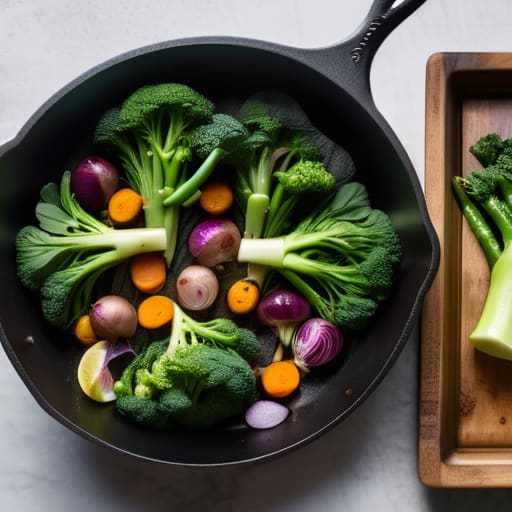
I’m a big believer in using the right tool for the job, and that applies to your kitchen just as much as my workbench. When it comes to the best vegetable cooking methods, I usually narrow my focus down to two extremes: roasting and steaming. Roasting is my go-to when I have twenty minutes to spare and want that deep, caramelized flavor that makes a simple side dish feel like a real meal. It’s high-impact and low-effort. On the other hand, if I’m running late or want to preserve as much texture as possible, I’ll opt for steaming. There’s a massive difference in the nutritional value of cooked vegetables depending on which route you take, but for me, it’s all about matching the method to my current energy level.
The real secret to avoiding a kitchen disaster, though, is keeping your prep station organized. Don’t let a pile of peels and scraps turn your countertop into a zone of chaos. I always keep a single “trash bowl” next to my cutting board to catch the waste immediately. Once the prep is done, focus on seasoning vegetables for flavor with high-quality salt and a good olive oil rather than a cabinet full of unnecessary spices. Keep it simple, keep it clean, and you won’t dread the cleanup.
Steaming vs Roasting Vegetables Choosing Your Path to Efficiency
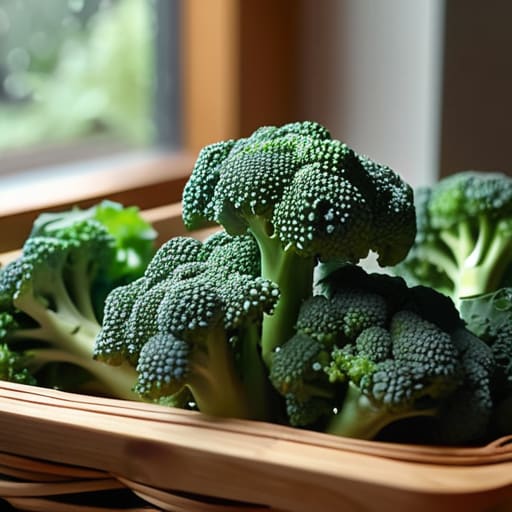
When I’m staring at a pile of broccoli after a long shift, I usually default to one of two systems: steaming or roasting. If I need something on the table in under ten minutes, I go with steaming. It’s the ultimate low-friction method. You toss them in a basket, let the steam do the heavy lifting, and you’re done. It’s one of my favorite healthy vegetable preparation tips because it preserves that bright color and crunch without requiring me to stand over a stove.
However, if I have an extra twenty minutes and want something that actually feels like a meal, I choose roasting. There’s a specific kind of satisfaction in the way high heat transforms a simple carrot into something sweet and caramelized. When comparing steaming vs roasting vegetables, roasting is clearly the winner for flavor, but it requires a bit more setup with oil and a sheet pan. My rule of thumb is simple: steam when you’re exhausted and need efficiency; roast when you want to actually enjoy the process of seasoning vegetables for flavor.
Five Small Systems to Stop Vegetable Prep Chaos
- Invest in one high-quality chef’s knife and keep it sharp. There is nothing that kills my momentum more than struggling through a pile of carrots with a dull blade; a sharp knife makes prep fast, safe, and—most importantly—minimal work.
- Standardize your cutting sizes. If you’re roasting, make sure everything is roughly the same size so they cook at the same rate. I don’t have time to wait for one giant potato chunk to soften while the rest of the tray is already done.
- Prep your “mise en place” before you turn on the heat. It sounds fancy, but it’s just basic systems engineering: chop everything, get it in bowls, and clear your workspace first. It prevents that frantic, mid-cook scramble for the salt or the oil.
- Don’t fear the salt, but time it right. For most greens, salt them at the end to keep them bright, but if you’re roasting, salt them early to draw out moisture and concentrate the flavor. It’s a small tweak that makes a massive difference in the final result.
- Use your leftovers as building blocks. If you have roasted broccoli or sautéed peppers left over, don’t let them sit in the fridge until they’re sad. Throw them into an omelet or a grain bowl the next morning to reclaim your breakfast time.
The Bottom Line for Your Kitchen Workflow
Don’t aim for culinary perfection; aim for consistency. Pick one method—roasting for flavor or steaming for speed—and master it until it becomes muscle memory.
Invest in one high-quality chef’s knife and keep it sharp. Most kitchen chaos stems from struggling with dull blades and unevenly cut vegetables.
Prep your ingredients before you even turn on the heat. Clearing the cutting board and organizing your workspace is the only way to prevent dinner from turning into a stressful cleanup job.
The Philosophy of the Pan
Stop treating vegetable prep like a chore and start seeing it as a system; if you master a few reliable heat sources and keep your tools sharp, you stop fighting the kitchen and start actually eating.
Liam Anders Chen
Simplify Your Plate
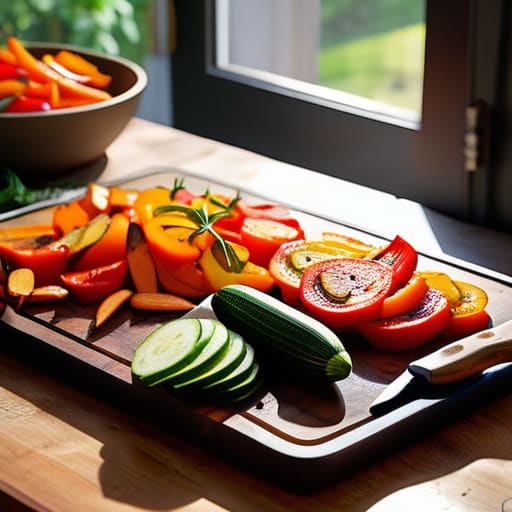
At the end of the day, cooking vegetables shouldn’t feel like a high-stakes engineering project. Whether you decide to steam for a quick, nutrient-dense side or roast for that deep, caramelized flavor, the goal is the same: efficiency without sacrifice. You don’t need a kitchen full of specialized gadgets or a culinary degree to do this right. Just pick a method that fits your schedule, use a sharp knife to minimize prep time, and don’t be afraid to let the heat do most of the heavy lifting. Once you master these foundational systems, you’ll find that healthy eating stops being a chore and starts becoming a seamless part of your routine.
I’ve spent a lot of my life trying to optimize every minute, but I’ve learned that the real win isn’t just saving time—it’s reclaiming the mental space that chaos usually occupies. When your kitchen process is streamlined, you aren’t just making a meal; you’re eliminating decision fatigue. Stop letting a messy countertop or a complicated recipe stand in the way of your well-being. Grab your pan, get those veggies cooking, and get back to actually living your life. You’ve got this.
Frequently Asked Questions
How do I prep my vegetables ahead of time so I'm not stuck chopping right before dinner?
The secret to reclaiming your evening is the “wash, chop, store” method. Don’t wait for the hunger to hit; spend twenty minutes on Sunday prepping your staples. Chop your onions, peppers, and hardy greens, then toss them into airtight glass containers. For delicate stuff like leafy greens, line your container with a paper towel to absorb moisture. It’s a small upfront investment that keeps your weekday workflow seamless and clutter-free.
What’s the best way to keep my kitchen tools clean and organized while I'm cooking?
Don’t wait until the meal is over to deal with the mess. I use a “clean as you go” system: keep a large bowl of warm, soapy water on the counter for your prep tools. As soon as you’re done with a knife or a bowl, toss it in. It keeps your workspace clear and prevents a mountain of dishes later. Keep your most-used tools in one designated, accessible spot to avoid the clutter hunt.
Can I use a single pan for multiple types of vegetables without everything turning into a mushy mess?
You can, but you have to respect the physics of the ingredients. If you toss broccoli and zucchini in at the same time, the zucchini will turn into mush before the broccoli even softens. My rule of thumb: stagger your entry. Start with the dense stuff—carrots or potatoes—and add the delicate greens in the last few minutes. It keeps the textures distinct and saves you from washing extra pans. Keep it simple.