I used to think that making a space “pet-friendly” meant buying overpriced, designer pet beds that looked great in a catalog but ended up being nothing more than expensive dust magnets. I’ve spent too many Saturday mornings scrubbing claw marks out of cheap upholstery and tripping over rogue squeaky toys that seemed to multiply overnight. We’ve been sold this myth that you have to choose between a sophisticated living room and a happy dog, but that’s just bad engineering. You don’t need a complete renovation or a massive budget to implement effective pet friendly home ideas; you just need a system that accounts for the chaos without letting it take over.
I’m not here to sell you on aesthetic trends that fall apart the moment a Golden Retriever enters the room. Instead, I’m going to show you how to build a home that works with your animals, not against them. I’ll be sharing practical, streamlined solutions—from durable fabric selections to clever storage hacks—that strip away the clutter and keep your space functional. My goal is to help you stop managing the mess and start actually enjoying your home again.
Table of Contents
Choosing Easy to Clean Flooring for Dogs
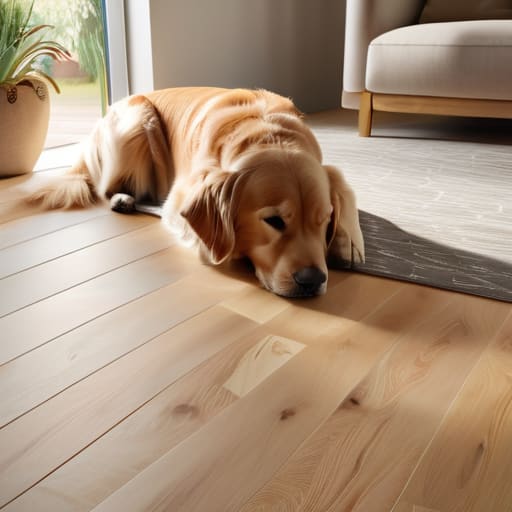
I’ve learned the hard way that your choice of flooring dictates whether you spend your Saturday relaxing or scrubbing muddy paw prints out of carpet fibers. If you have a dog, thick pile carpets are essentially just giant sponges for hair and accidents. Instead, I always recommend looking for easy to clean flooring for dogs, like luxury vinyl plank (LVP) or high-quality laminate. These materials mimic the warmth of wood but offer the waterproof resilience you actually need when a water bowl gets tipped over in the middle of the night.
If you can’t bear the thought of a hard surface throughout the entire house, don’t settle for cheap rugs that trap allergens. I prefer using large-scale porcelain tiles in high-traffic zones or even low-pile, synthetic area rugs that can be tossed in the wash. When you’re looking at pet friendly interior design tips, remember that durability shouldn’t come at the expense of aesthetics. You want a surface that stands up to heavy claws and constant movement without looking like a sterile hospital ward. Focus on materials that are both scratch resistant and easy to sanitize.
Selecting Scratch Resistant Furniture Materials
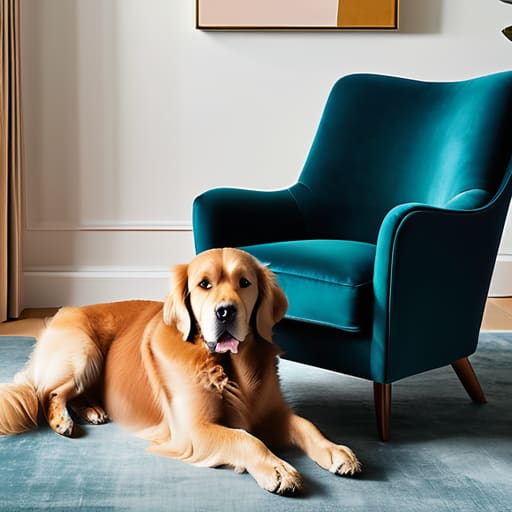
If you’ve ever walked into your living room only to find a fresh set of claw marks on your favorite armchair, you know the frustration. Most people make the mistake of buying furniture based solely on aesthetics, only to realize a week later that it’s a magnet for hair and scratches. To avoid this cycle, you need to prioritize scratch resistant furniture materials that can actually withstand a bit of daily chaos. I always suggest looking into tight-weave fabrics like microfiber or high-quality velvet; they don’t have loose loops for a dog’s nail to snag, which keeps the fabric intact and looking new for much longer.
When you’re browsing, don’t just look at the color—look at the structural integrity of the textile. Investing in durable fabrics for pet owners is a small upfront cost that saves you massive headaches (and replacement fees) down the road. If you’re leaning toward leather, go for a top-grain variety that develops a patina rather than one that tears easily. The goal isn’t to live in a sterile showroom, but to build a space where your gear and your pets can coexist without you constantly playing damage control.
Five Systems to Keep the Chaos at Bay
- Designate a “Launchpad” for Pet Gear: Stop hunting for leashes and poop bags five minutes before your walk. Use a dedicated wall hook or a small, minimalist tray near the door. If it has a specific home, it won’t end up as a tripping hazard in the hallway.
- Opt for Vertical Storage for Toys: A floor covered in squeaky toys isn’t just messy; it’s inefficient. Use low-profile, woven baskets or a small wooden crate tucked under a side table. It keeps the floor clear and makes the nightly “cleanup” take exactly thirty seconds.
- Implement a “Mudroom” Protocol: If you live in a city or a rainy climate, keep a heavy-duty microfiber mat by the entry. It’s a simple system: paws hit the mat, you wipe them down, and the dirt stays outside instead of migrating into your rug fibers.
- Choose Washable Textiles Over “Fancy” Decor: I’ve learned the hard way that a beautiful velvet sofa is a liability. Stick to high-quality, machine-washable slipcovers or heavy-duty canvas. If you can’t throw it in the wash after a muddy walk, it doesn’t belong in your living room.
- Create a Dedicated Feeding Station: Avoid the “scattered bowl” look by using a slim, waterproof tray to house food and water bowls. It defines the space, catches the inevitable spills, and makes it much easier to wipe down the area during your weekly cleaning routine.
The Bottom Line: Systems Over Chaos
Stop fighting your materials; choose fabrics and floors that work with your pet’s habits rather than against them.
Prioritize durability over aesthetics to save yourself from the constant cycle of repairing scratches and scrubbing stains.
Build a home that supports your lifestyle, so you spend your evenings relaxing with your dog instead of managing the mess they leave behind.
The Philosophy of a Pet-Centric Space
“A home shouldn’t feel like a battlefield between your decor and your dog; true efficiency is designing a space where your furniture survives the zoomies and you actually enjoy sitting on the floor with them.”
Liam Anders Chen
The Goal is Balance, Not Perfection
At the end of the day, creating a pet-friendly home isn’t about turning your living room into a sterile, plastic-wrapped showroom. It’s about making smart, intentional choices—like picking the right durable flooring and selecting fabrics that won’t fall apart the moment a claw touches them—so that your environment works with you rather than against you. When you stop fighting your floorplan and start optimizing it, you eliminate those small, daily frictions that add up to mental clutter. By applying a little bit of systems engineering to your decor, you ensure that your home remains a place of functional calm instead of a constant battleground of fur and scratches.
I’ve learned through my own obsession with organization that the best systems are the ones you don’t have to think about. You shouldn’t have to spend your evening scrubbing stains or worrying about a ruined sofa; you should be able to sit down, exhale, and actually enjoy the company of your dog. Don’t aim for a perfect house—aim for a streamlined life. Strip away the complexity of pet ownership by setting up these simple, repeatable boundaries in your space. Once the logistics are handled, you can finally stop managing your house and start actually living in it.
Frequently Asked Questions
How do I deal with pet hair and dander without spending my entire weekend vacuuming?
Stop letting pet hair dictate your weekend plans. I’ve found that the secret isn’t a better vacuum; it’s a better system. Start with a high-quality air purifier to catch dander before it hits the floor, and keep a dedicated lint roller or a rubber squeegee in your utility drawer for quick, targeted sweeps. If you tackle small zones daily, you won’t face a mountain of fur on Saturday morning. Efficiency beats brute force every time.
Are there any specific scents or cleaning products I should avoid that might irritate my dog's nose?
Keep your cleaning supplies simple. Most heavy-duty cleaners or those loaded with synthetic fragrances—think “ocean breeze” or “lavender” aerosols—are just irritants waiting to happen. Dogs live with their noses to the ground, so if a scent is overwhelming to you, it’s likely punishing for them. Stick to pH-neutral, unscented soaps or diluted white vinegar. It’s more efficient, less cluttered, and keeps their respiratory systems clear. Less chemistry, more peace of mind.
How can I set up a dedicated "pet station" that doesn't look like a cluttered mess in the middle of my living room?
Stop letting the “pet corner” become a graveyard for half-chewed bones and stray leashes. To keep your living room from looking like a chaotic pet store, I recommend the “hidden-in-plain-sight” approach. Use a sleek, closed-door sideboard or a minimalist wooden console to house food bowls and heavy bags. If you need open access, opt for a dedicated, low-profile tray in a neutral tone. If it’s contained, it’s organized; if it’s organized, it’s invisible.