I’ve spent enough Tuesday nights staring blankly into a half-empty fridge, feeling that familiar wave of decision fatigue hit me right when I should be winding down. We’ve all been there—the chaos of a long workday colliding with the realization that you haven’t eaten anything green in forty-eight hours. Most people treat nutrition like an afterthought or a chore, but I see it as a systems problem. If you don’t have a plan, you’re essentially leaving your energy levels and your wallet to chance. Finding reliable healthy meal prep ideas shouldn’t feel like another full-time job added to your already overflowing plate.
I’m not interested in spending your entire Sunday hovering over a stove for five hours just to eat mediocre leftovers. My approach is about efficiency, precision, and reclaiming your time. In this post, I’m breaking down five specific, streamlined strategies to help you build a sustainable food system that actually works with your lifestyle. These aren’t just recipes; they are functional frameworks designed to strip away the kitchen chaos so you can spend less time prepping and more time actually living your life.
Table of Contents
Master the Component Method
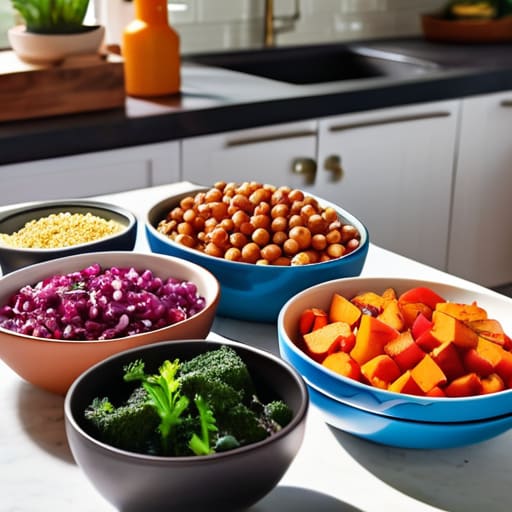
Forget the idea that you need to spend four hours on a Sunday assembling identical plastic containers of mushy broccoli and dry chicken. That’s a recipe for burnout. Instead, I use a component-based system where I prep versatile building blocks: a large batch of roasted vegetables, two different proteins, and a single complex carb like quinoa or farro. This gives you the flexibility to mix and match flavors throughout the week so you don’t feel like you’re eating the exact same thing every single day.
The One-Pan Power Move
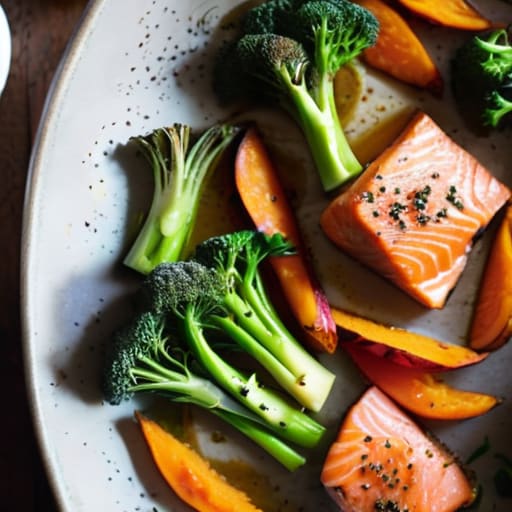
When my schedule gets particularly chaotic, I lean heavily on sheet-pan dinners. There is something incredibly satisfying about the efficiency of a single piece of equipment doing all the heavy lifting. You chop up your seasonal veggies, toss them with a protein like salmon or tofu, season them liberally, and let the oven do the work. It’s the ultimate minimalist approach to cooking because it minimizes both the mental load and the inevitable mountain of dishes.
Batch-Cook Your Grains and Legumes
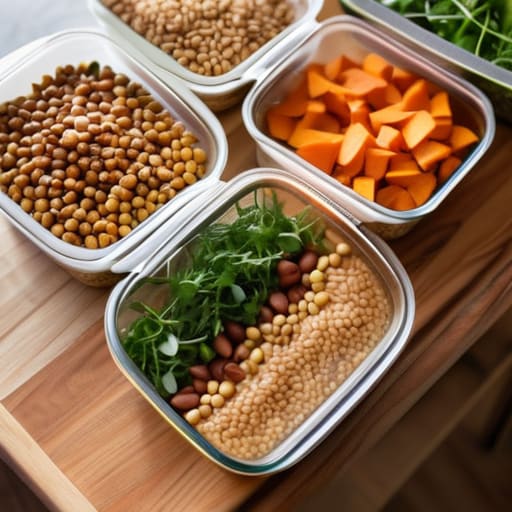
I view grains and legumes as the structural foundation of a good meal. Most people underestimate how much time they waste boiling water or waiting for a pot to simmer when they’re actually hungry. I make it a rule to cook a massive batch of lentils, chickpeas, or brown rice at the start of the week. These items are incredibly shelf-stable in the fridge and act as the perfect “filler” to turn a few stray ingredients into a substantial, filling meal.
Sauce is Your Secret Weapon
If you want to prevent meal prep from feeling like a chore, you have to focus on flavor profiles. A tray of roasted sweet potatoes and black beans can feel incredibly repetitive, but if you have three different high-quality sauces in the fridge, it becomes a completely different culinary experience. I always keep a modular sauce kit ready: a bright lemon-tahini dressing, a spicy sriracha-lime vinaigrette, and maybe a savory pesto.
Invest in High-Quality Storage
This might sound like a small detail, but if you’re serious about reclaiming your time, you need to stop using flimsy, mismatched plastic containers that leak or turn cloudy. I’ve learned the hard way that investing in glass containers with airtight lids is a game changer. Not only do they keep your food fresher for longer, but they also make it much easier to transition from the fridge to the microwave without worrying about chemical leaching or messy spills.
The Bottom Line
Stop aiming for culinary perfection; focus on building a repeatable system that prevents decision fatigue when you’re tired.
Invest in quality containers and a few versatile ingredients to keep your kitchen organized and your prep time minimal.
Meal prep isn’t about spending your entire Sunday in the kitchen—it’s about reclaiming your weeknights so you can actually breathe.
The Philosophy of the Prep
Meal prep isn’t about spending your entire Sunday playing chef; it’s about building a system that protects your future self from the chaos of a Tuesday night.
Liam Anders Chen
Reclaiming Your Week
At the end of the day, meal prepping isn’t about becoming a gourmet chef or spending your entire Sunday hunched over a cutting board. It’s about building a reliable system that works for you, rather than against you. Whether you’re batch-cooking grains, prepping versatile proteins, or simply chopping veggies ahead of time, the goal is to reduce the number of decisions you have to make when you’re tired and hungry. By implementing even just two of these strategies, you’re effectively eliminating the friction that leads to takeout orders and mid-week burnout.
Don’t feel like you have to overhaul your entire kitchen overnight. Start small—maybe just one component or one specific meal—and see how it changes your mental load. My philosophy has always been that the best systems are the ones you actually stick to, not the ones that look perfect on a Pinterest board. Once you stop fighting your kitchen and start treating your nutrition like a streamlined process, you’ll find you have more than just better meals; you’ll have more mental clarity and, more importantly, more time to actually live the life you’re working so hard to build.
Frequently Asked Questions
How do I keep my prepped veggies from turning into a soggy mess by Wednesday?
The “soggy mess” is usually a moisture management failure. Here’s my system: first, never store washed veggies in damp containers; use a salad spinner and let them air-dry completely. Second, line your containers with a single layer of paper towels to absorb excess humidity. Finally, keep high-moisture items like cucumbers separate from leafy greens. Treat your fridge like an organized workshop—control the environment, and the ingredients will stay crisp.
I don't have all Sunday to spend in the kitchen; what's the fastest way to do this without sacrificing quality?
Look, I get it. I don’t have the patience to spend six hours hovering over a stove on a Sunday either. The secret is component prepping, not full-meal assembly. Don’t cook complete recipes; just prep high-quality building blocks—a batch of roasted veggies, one versatile protein, and a grain. It takes twenty minutes of active work. You’re building a modular system so you can assemble a real meal in five minutes during the week.
What are the best airtight containers I should actually invest in so my food stays fresh?
Look, don’t fall for the cheap plastic sets that stain after one week of tomato sauce. If you want to actually protect your investment, go with glass. I swear by Glasslock or Pyrex with snap-locking lids; they’re airtight, they don’t leach chemicals, and they go straight from the fridge to the microwave. If you’re tight on space, OXO Good Grips is my go-to for dry goods. Buy quality once, or you’ll be replacing junk forever.