I was halfway through a deep-focus session at my desk when the inevitable happened: a rogue splash of dark roast coffee surged toward my rug. My first instinct wasn’t to panic, but to reach for the nearest chemical spray, only to realize that most “miracle” cleaners are just expensive ways to ruin your fibers permanently. I’ve spent enough time tinkering with mechanical parts to know that the wrong tool doesn’t just fail; it causes damage. Learning how to remove stains from carpet isn’t about finding a magic potion in a colorful bottle; it’s about understanding the physics of the spill and applying the right pressure at the right time.
I’m not here to sell you a subscription to a specialized cleaning service or a cabinet full of toxic sprays. Instead, I want to give you a systematic approach to tackling spills so you can stop staring at the mess and get back to your life. We’re going to strip away the fluff and focus on the practical, repeatable methods that actually work for everything from red wine to muddy paw prints. By the end of this, you’ll have a clear, no-nonsense toolkit to keep your space looking sharp without wasting a second of your time.
Guide Overview
Tools & Supplies
- Microfiber cloths or white paper towels for blotting
- Soft-bristled brush for gentle agitation
- Vacuum cleaner to remove dried residue
- Dish soap (mild, non-bleach) 1 bottle
- White vinegar 1 bottle
- Baking soda 1 box
- Warm water 1 pitcher
Step-by-Step Instructions
- 1. First things first: stop rubbing. I know the instinct is to scrub the stain like you’re trying to polish a floor, but that just drives the liquid deeper into the carpet fibers and spreads the mess. Grab a clean, white microfiber cloth or a stack of paper towels and blot the area firmly to soak up as much excess liquid as possible.
- 2. Once you’ve stabilized the situation, it’s time to assess the damage. If it’s a water-based stain—think coffee, soda, or juice—you’re in luck. Mix a few drops of clear dish soap with a cup of lukewarm water. Avoid using anything with heavy dyes or bleach, as you don’t want to create a new stain while trying to fix the old one.
- 3. Apply your solution sparingly. Dip your cloth into the mixture and dab the edges of the stain first, working your way toward the center. This prevents the perimeter from expanding outward. You want to lift the pigment, not soak the entire floorpad, which can lead to mold issues down the line.
- 4. For those tougher, oil-based messes like grease or makeup, a bit of heavy-duty cleaning requires a different tactic. I usually reach for a small amount of rubbing alcohol on a cotton ball. Test a tiny, inconspicuous spot in the corner of the room first to ensure the color doesn’t bleed, then gently dab the oil.
- 5. If the stain is particularly stubborn or has dried into the fibers, don’t panic. Sprinkle a light layer of baking soda over the damp area. It acts as a natural desiccant to pull out the remaining moisture and pigment. Let it sit for at least thirty minutes—or ideally, a few hours—while you focus on something more productive.
- 6. Now, it’s time for the cleanup. Use a vacuum to thoroughly suck up the dried baking soda. If a faint shadow remains, repeat the blotting process with a slightly stronger solution, but keep it controlled. The goal is precision, not brute force.
- 7. Finally, let the carpet air dry completely. I find that propping a fan near the area helps speed up the process and prevents that musty smell. Once it’s bone-dry, your floor should be back to its original state, leaving you with one less thing to worry about.
Mastering the Best Carpet Cleaning Solutions Without the Stress
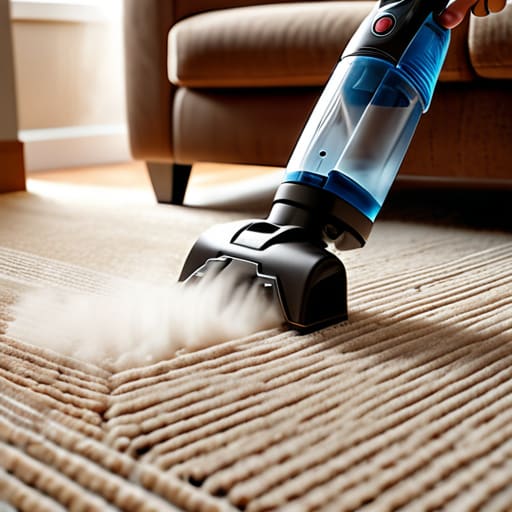
While I’m a big believer in keeping things simple with DIY solutions, I’ve learned the hard way that sometimes you just need a professional-grade edge to handle a truly deep-set mess. If you find yourself staring at a stain that refuses to budge despite your best efforts, don’t waste your entire weekend scrubbing in vain; instead, check out this platform to see how they handle more complex maintenance needs. It’s all about working smarter, not harder, so you can stop obsessing over the floor and get back to your actual life.
When you’re staring down a mess, the temptation is to grab whatever chemical spray is sitting under the sink. Resist that urge. In my experience, the most effective approach isn’t about buying the most expensive bottle; it’s about understanding your chemistry. If you’re dealing with organic messes, like natural carpet cleaning ingredients such as white vinegar and baking soda, you can often achieve better results without the harsh fumes. I always keep a small kit of essential supplies on hand—not to clutter my space, but to ensure I can react quickly before a spill becomes a permanent fixture of my living room.
Efficiency is also about knowing your enemy. For instance, if you’re tackling how to treat coffee stains on rug fibers, temperature matters just as much as the solution you choose. Using hot water can sometimes set the stain rather than lifting it. I treat my home like a system: identify the variable, apply the specific tool, and move on. Once the stain is gone, you can stop worrying about the mess and get back to your actual life.
The Essential Carpet Cleaning Tools and Supplies You Actually Need
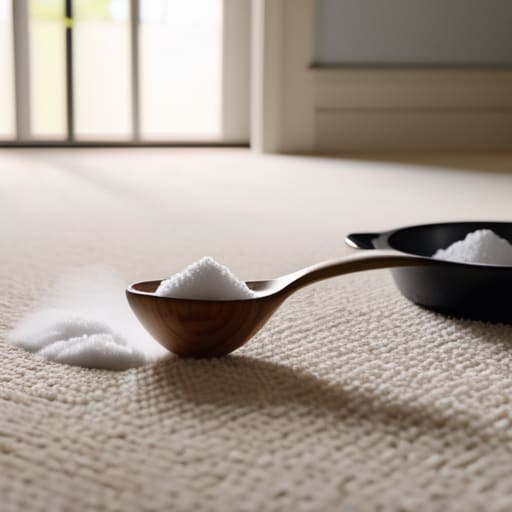
Look, you don’t need a garage full of specialized chemicals to handle a spill. In fact, most of the heavy-duty stuff you see in commercials is overkill for daily life. I’ve learned through trial and error that the most effective carpet cleaning tools and supplies are often the ones you already have in your pantry. A handful of white vinegar, some baking soda, and a few clean, high-absorbency microfiber cloths will get you further than a $50 spray bottle ever could.
The key is having the right physical tools on hand to manage the moisture. If you’re dealing with something heavy, like removing red wine from carpet, you need more than just a rag; you need a way to lift the liquid without pushing it deeper into the fibers. I always keep a stack of thick, white cotton towels nearby—never use colored ones, or you’ll end up with a new problem on your hands. If you have pets, keep a dedicated spray bottle of diluted vinegar ready for quick pet urine stain removal tips before the scent sets in. Keep it simple, keep it ready, and you won’t be scrambling when life happens.
Five Rules to Stop a Stain from Becoming a Permanent Fixture
- Speed is your best friend. The second something hits the floor, grab a cloth. The longer a liquid sits, the deeper it sinks into the fibers, and once it’s part of the carpet structure, you’re playing a much harder game.
- Blot, never scrub. I know the instinct is to scrub like your life depends on it, but that just pushes the mess deeper and frays the carpet pile. Press down firmly with a clean towel to lift the liquid upward.
- Work from the outside in. If you start in the middle of a spill, you’re just spreading the perimeter outward. Start at the edges of the stain and work your way toward the center to keep the damage contained.
- Test your solutions on a hidden spot first. I’ve seen people ruin a perfectly good rug by testing a DIY mix on the middle of the living room. Check a corner or inside a closet to make sure you aren’t causing discoloration.
- Don’t over-saturate. You want to treat the stain, not create a swamp. Using too much water or cleaning solution can lead to mold issues or leave a sticky residue that actually attracts more dirt later on.
Keeping the Chaos at Bay
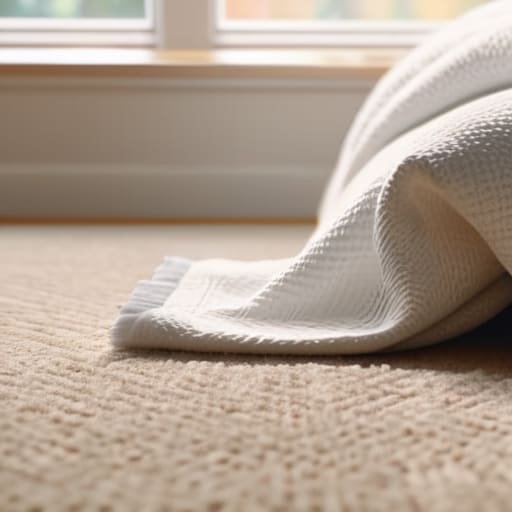
At the end of the day, tackling a carpet stain isn’t about having a garage full of expensive industrial machinery; it’s about having the right minimalist toolkit and the discipline to act quickly. Remember to blot, never scrub, and always test your solutions on a small, hidden patch first to avoid making a bad situation worse. By keeping a few basic supplies—like white microfiber cloths and a reliable enzyme cleaner—on hand, you turn a potential household disaster into a five-minute maintenance task that requires zero mental heavy lifting.
I know how it feels when a spill makes your living space feel instantly cluttered and chaotic, but don’t let a single mark dictate the mood of your home. We build systems so that these small hiccups don’t derail our entire week. Once the stain is gone and the carpet is dry, take a second to appreciate the clean space you’ve reclaimed. Now that the floor is sorted, get back to living and focus your energy on the things that actually bring you fulfillment, rather than fighting against your environment.