I’ve spent way too many weekends staring at a blank wall or a cluttered shelf, feeling like my living space was working against me rather than for me. Most people think you need a massive budget or a professional designer to fix a room, but that’s just noise. The truth is, most of the time, you don’t need a renovation; you just need a better system for how you interact with your environment. I’ve realized that searching for endless diy home decor ideas can actually become its own form of procrastination if you aren’t careful. Instead of getting lost in the Pinterest rabbit hole, you need functional solutions that actually improve the way your home feels.
In this post, I’m stripping away the fluff to give you five specific, high-impact projects that prioritize both aesthetics and utility. I’m not talking about useless knick-knacks that just collect dust; I’m sharing my personal approach to creating a space that feels intentional and organized. By the time you finish reading, you’ll have a clear roadmap for implementing five practical DIY projects that turn a chaotic room into a calm, curated sanctuary without wasting your precious time or money.
Table of Contents
Upgrade Your Lighting with Industrial Sconces
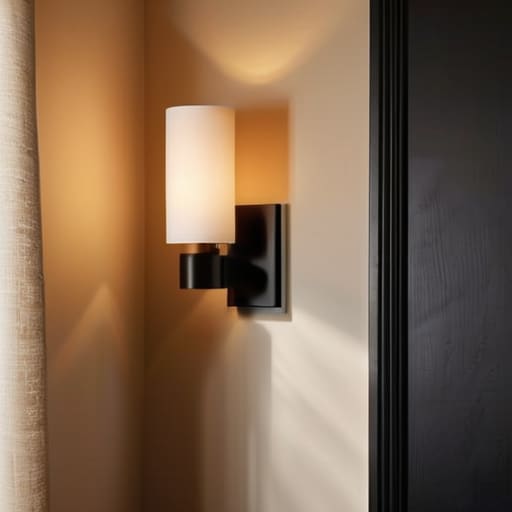
Most people settle for that one harsh overhead light that makes a room feel like a sterile hospital ward. If you want to change the vibe of a room without a full renovation, stop looking at the ceiling and start looking at your walls. I recently swapped out a standard lamp for some minimalist matte black sconces, and the difference in how the light hits the room is night and day. It adds depth and a sense of intentionality that you just can’t get from a single bulb.
Frame Your Life, Not Just Art
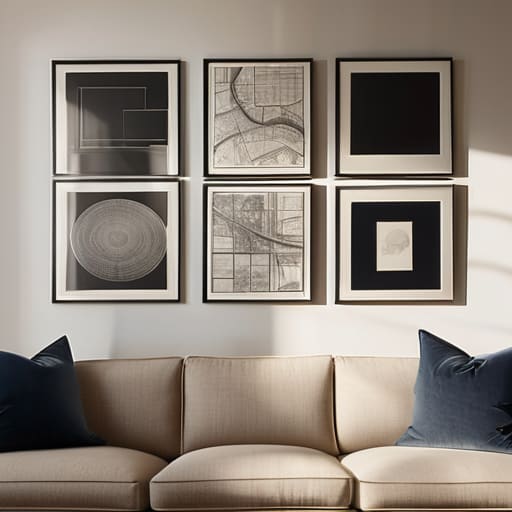
I have a habit of collecting things—old blueprints, interesting maps, or even just a high-quality print from a local maker. Most of these end up in a drawer because we think “decorating” requires buying expensive, pre-made gallery sets. That’s a waste of money and mental energy. Instead, grab a few uniform, thin-profile frames and start displaying what actually interests you. It turns your personal history into a visual system that feels cohesive.
Organize with Intentional Shelving
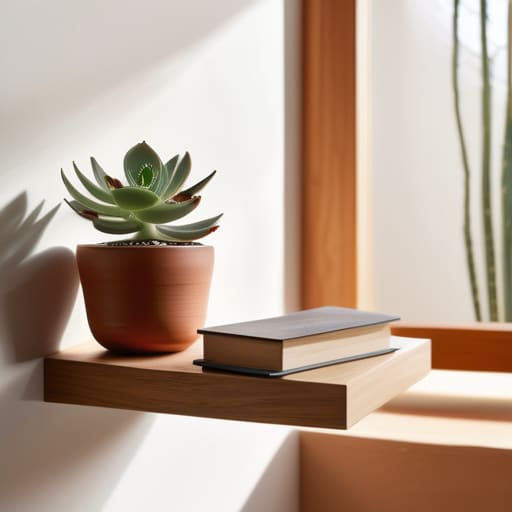
We often treat shelves as dumping grounds for things we don’t know what to do with, but that’s a recipe for mental chaos. If you’re going to put things on display, make them work for you. I prefer using floating wood shelves with clean lines to break up the vertical space in a room. It’s a simple way to add storage without the heavy, bulky footprint of a traditional bookshelf, keeping your floor space clear and functional.
Natural Textures for Instant Warmth
If your space feels a bit cold or clinical, you don’t need to buy more furniture; you probably just need more texture. I’ve found that adding organic elements like jute rugs, linen pillows, or even a simple wooden tray can instantly soften the edges of a modern apartment. It’s about balancing the hard surfaces of tech and metal with something that feels tactile and grounded.
Repurpose Functional Hardware
One of my favorite low-effort, high-impact moves is swapping out standard cabinet hardware. Most builder-grade homes come with cheap, generic knobs that scream “mass-produced.” By spending a Saturday morning replacing those with heavy-duty brass or brushed steel pulls, you give your kitchen or bathroom an immediate sense of quality. It’s a small mechanical change that has a massive psychological payoff.
The Bottom Line
Don’t get lost in the “perfect” Pinterest aesthetic; focus on functional upgrades that actually make your space feel like yours.
Start small with one project at a time so you don’t turn your home into another source of overwhelming clutter.
Use what you already have—the best DIY projects are the ones that repurpose existing tools and materials rather than adding more junk to your shelves.
The Philosophy of a Functional Home
“Stop chasing Pinterest perfection and start building for utility. A home shouldn’t just look good in a photo; it should work for you, stripping away the visual noise so you can actually breathe when you walk through the door.”
Liam Anders Chen
Stop Overthinking and Start Building
At the end of the day, these projects aren’t about achieving some unattainable Pinterest perfection; they are about taking control of your environment. Whether you’re repurposing old wood for shelving, organizing your tech cables with custom mounts, or simply refreshing a dull corner with a bit of paint, the goal is the same: reducing friction in your daily life. We’ve covered how small, intentional changes—from functional wall art to streamlined storage—can transform a chaotic room into a space that actually serves you. Remember, the best way to start is to choose one single project from this list and finish it this weekend. Don’t let the tools sit in the bag; just get moving.
I’ve spent a lot of my life trying to engineer the “perfect” setup, but I’ve learned that perfection is the enemy of progress. Your home doesn’t need to look like a showroom; it needs to feel like a sanctuary that supports your focus and your rest. When you take the time to fix, build, or organize something with your own hands, you aren’t just decorating—you are reclaiming your space from the clutter of modern consumerism. So, grab that screwdriver, clear off your workbench, and build something that makes your life a little bit easier. You’ve got this.
Frequently Asked Questions
How do I make these DIY projects look intentional rather than just looking like cluttered craft projects?
The secret is restraint. Most people fail because they try to do too much at once. If you’re DIYing, stick to a tight, cohesive color palette and high-quality materials. Avoid the “more is better” trap; one well-placed, custom-stained shelf looks intentional, while five mismatched ones look like a garage sale. Treat your home like a system: every piece needs a purpose and a clear place to live. If it doesn’t serve a function or a specific aesthetic, leave it out.
What’s the best way to approach decor if I’m renting and can't make permanent changes to the walls or fixtures?
Look, I get it. When you’re renting, you feel stuck with beige walls and generic fixtures. But don’t let a lease dictate your environment. Think in layers. Use Command hooks for art, tension rods for curtains, and high-quality peel-and-stick anything—wallpaper or backsplash—to add character without the permanent commitment. Focus on lighting and textiles; a good lamp and a textured rug can mask a lot of rental flaws and make the space feel like yours.
How do I balance the desire to DIY with a busy schedule so these projects don't just become another source of unfinished stress?
The mistake most people make is treating DIY like a marathon when it’s actually a series of sprints. If you try to tackle a whole room on a Saturday, you’ll burn out by Sunday night. Instead, apply the “one-component rule”: pick one specific, measurable task—like painting a single shelf or swapping one light fixture—and stop there. When a project is broken down into bite-sized, manageable wins, it stops feeling like a second job and starts feeling like a reset.