I used to spend my lunch hours in a state of total mental friction, either staring blankly into my fridge or settling for a mediocre, overpriced sandwich that left me feeling sluggish by 2:00 PM. When you’re managing a heavy workload, your midday meal shouldn’t feel like another high-stakes project on your to-do list. We all need quick lunch ideas that actually work, rather than complex recipes that require a culinary degree and forty minutes of prep time you simply don’t have. If your current routine feels more like a drain on your productivity than a way to refuel, it’s time to fix the system.
In this post, I’m stripping away the fluff and sharing five high-efficiency lunch setups that I rely on to keep my momentum steady. I’ve vetted these based on three strict criteria: minimal prep, zero clutter, and maximum nutritional ROI. You’re going to learn how to assemble functional, delicious meals that take minutes, not hours, so you can stop worrying about food and get back to the work—and the life—that actually matters.
Table of Contents
The Assembly-Line Grain Bowl
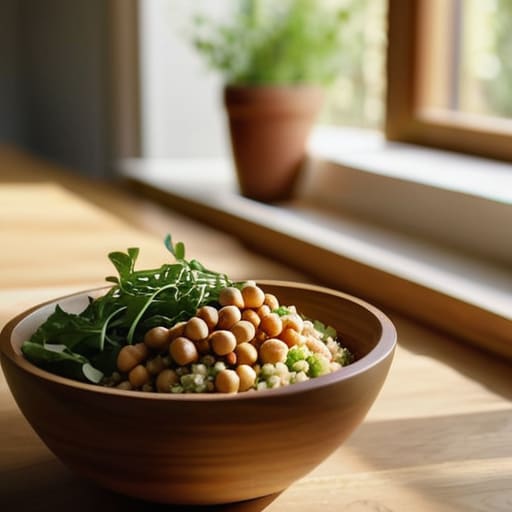
I don’t have the patience for cooking every single day, so I rely on what I call the assembly-line method. You aren’t “cooking” a meal here; you are simply assembling components that you’ve prepped during a more efficient window, like Sunday evening. Keep a container of pre-cooked quinoa or farro in the fridge, a bag of washed arugula, and some canned chickpeas ready to go.
The High-Protein Adult Lunchable
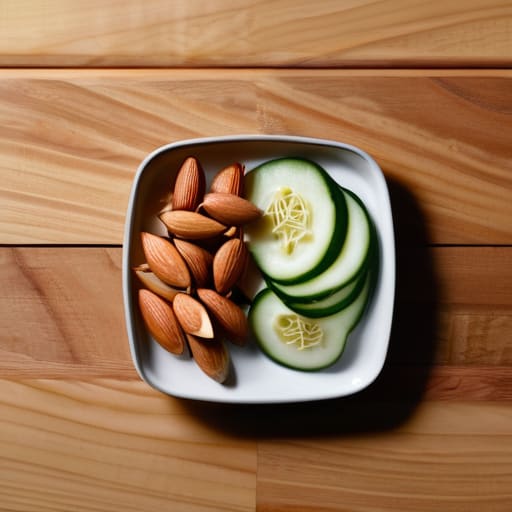
Sometimes, the most efficient way to eat is to stop trying to make “meals” altogether. When my schedule gets particularly chaotic, I lean on a refined version of the classic lunchbox: high-quality proteins, fats, and fiber. I’m talking about smoked turkey slices, a handful of almonds, some sharp cheddar, and sliced cucumbers. It’s essentially a deconstructed salad that requires zero heat and even less mental energy.
The Five-Minute Mediterranean Wrap
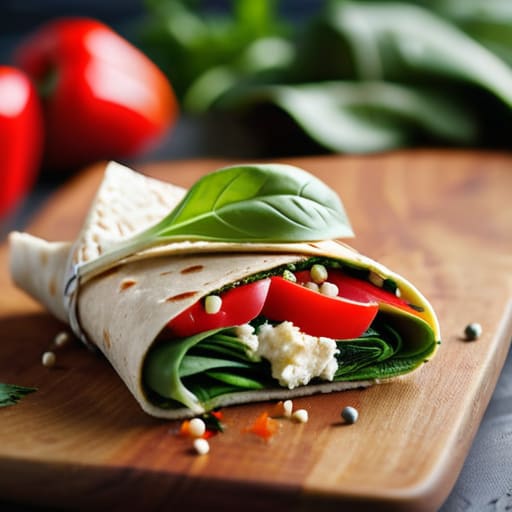
If you need something that feels a bit more substantial but still fits within a tight window, the wrap is your best friend. I keep a stash of whole-grain tortillas in the pantry because they are the perfect functional vessel for a quick lunch. Spread some hummus across the surface—it acts as both a flavor enhancer and a structural adhesive—and pile on some feta, spinach, and jarred roasted red peppers.
The Cold Soba Noodle Reset
When I find myself feeling mentally fried, I usually crave something refreshing rather than something heavy. Cold soba noodles are a lifesaver for this. You can boil a batch of these buckwheat noodles in about five minutes, let them cool, and keep them in a container. Toss them with a splash of soy sauce, sesame oil, and whatever crunchy veg you have on hand, like shredded carrots or edamame.
The Upgraded Tuna Salad
Let’s be honest: canned tuna is the ultimate emergency backup for anyone living a high-paced life. But we aren’t eating it straight out of the tin like we’re in a survival situation. To make this a real meal, I keep a small kit of “upgraders” in my pantry: Dijon mustard, capers, and maybe some dried dill. Mix a tin of tuna with a bit of Greek yogurt instead of heavy mayo for a cleaner protein hit.
The Bottom Line: Systems Over Recipes
Stop treating lunch like a culinary project; view it as a refueling system that should require minimal cognitive load.
Success lies in the prep—keep high-quality, versatile components on hand so you aren’t making decisions when you’re already hungry and tired.
Efficiency isn’t about cutting corners on nutrition, it’s about cutting the friction between you and a decent meal.
The Efficiency Mindset
“A lunch shouldn’t be a project that requires a project manager; it’s just fuel. If you’re spending more time prepping and cleaning than you are actually eating, your system is broken.”
Liam Anders Chen
Reclaiming Your Midday
At the end of the day, these five lunch options aren’t about gourmet culinary achievement; they are about systematizing your survival. Whether you’re leaning on the prep-ahead efficiency of a grain bowl or the zero-friction assembly of a high-quality wrap, the goal is the same: minimizing decision fatigue. By keeping these staples in your rotation, you stop treating your lunch break like a chaotic problem to be solved and start treating it like a scheduled recovery period. You don’t need a pantry full of exotic ingredients to succeed; you just need a repeatable process that works when your schedule inevitably goes sideways.
I’ve spent enough time staring at a half-empty fridge at noon to know that hunger combined with indecision is a recipe for a wasted afternoon. Don’t let a disorganized kitchen or a lack of planning rob you of your mental clarity. Use these ideas to build a foundation, then tweak them until they fit your specific rhythm. Remember, the objective isn’t to become a master chef; it’s to strip away the friction of daily life so you can focus on what actually matters. Eat well, stay efficient, and get back to living.
Frequently Asked Questions
How do I keep these meals from getting soggy if I'm prepping them the night before?
The secret is structural integrity. Treat your containers like a system: never mix wet and dry ingredients until you’re ready to eat. If you’re prepping a salad, put the dressing at the very bottom of the container, then add your heavy veggies, and keep the greens at the top. For sandwiches, use a thin layer of butter or mayo as a moisture barrier on the bread. It’s a small tweak, but it saves your lunch from becoming a mess.
What are some low-effort ways to add more protein without turning my lunch into a massive cooking project?
Look, you don’t need to spend Sunday meal-prepping chicken breasts to hit your macros. Keep a few high-leverage items in your pantry or fridge. I always keep canned tuna, hard-boiled eggs, and hemp seeds on hand. Throwing a handful of seeds into a salad or mixing tuna into a wrap takes seconds, not minutes. It’s about small, tactical additions that boost your fuel without requiring a single extra burner on the stove.
Can I actually use the same base ingredients for multiple meals to save on grocery costs and prep time?
Absolutely. In fact, if you aren’t doing this, you’re working harder than you need to. I treat my kitchen like a systems engineering problem: minimize input, maximize output. Pick three versatile staples—like roasted chicken, quinoa, and sautéed greens—and rotate them. One night it’s a warm grain bowl; the next, it’s a cold protein salad. You reduce decision fatigue, slash your grocery bill, and stop wasting time prepping from scratch every single day.