I’ve spent most of my life obsessed with systems—how things fit together, how they function, and how they can be optimized to reduce friction. But there is one area where most people let chaos win: the bedroom. We spend a third of our lives there, yet we often settle for a generic, flimsy bed frame that lacks character and purpose. If you’re staring at a blank wall above your mattress, you’re missing a massive opportunity to turn a mere sleeping area into a true sanctuary. Finding the right diy headboard ideas shouldn’t feel like a secondary job, but a way to reclaim your space from the bland, mass-produced clutter of modern furniture.
In this post, I’m stripping away the fluff and the high-end designer price tags to give you five functional, high-impact projects. I’ve curated these specifically for people who want a minimalist, intentional aesthetic without needing a professional workshop to pull it off. Whether you have ten minutes or a full weekend, these five approaches will show you how to build something that actually fits your life. Let’s get to work and turn that empty wall into something worth coming home to.
Table of Contents
The Minimalist Wood Slat Approach
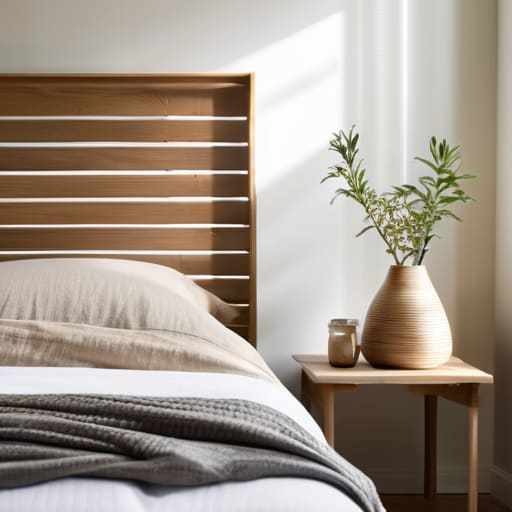
If you’re like me, you probably value clean lines and zero visual clutter. A simple wood slat headboard is my go-to for adding texture to a room without making it feel crowded. You don’t need a workshop full of heavy machinery for this; just grab some pine or oak slats from your local hardware store, sand them down until they’re smooth, and mount them to a sturdy frame. It’s a systematic way to add warmth to a bedroom while keeping that streamlined, intentional look I strive for in my own space.
Upholstered Panels for Instant Comfort

Sometimes, a bedroom needs more than just visual structure; it needs tactile comfort. If you spend your evenings reading or catching up on emails in bed, a hard wooden headboard just doesn’t cut it. I like to use individual upholstered panels because they allow for a bit of modular flexibility. You can buy pre-made foam panels or, if you’re feeling slightly more adventurous, wrap your own using plywood, batting, and a heavy linen fabric.
The Industrial Pipe Frame
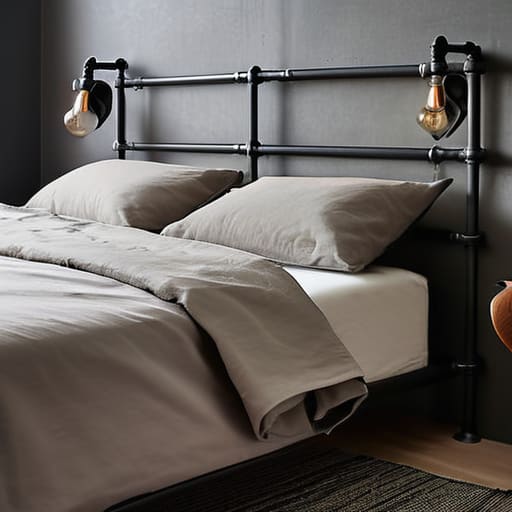
For those who prefer a more rugged, functional aesthetic, industrial piping is a brilliant solution. It’s a project that appeals to my systems engineering side because it’s essentially just a series of interlocking components. You can purchase black iron pipes and fittings from most hardware stores, assemble them into a rectangular frame, and bolt it directly to the wall or your bed frame. It’s incredibly sturdy and provides a sense of permanence that cheap, flat-pack furniture lacks.
The Reclaimed Wood Statement
I’ve always believed that there is a certain dignity in objects that have a history. Using reclaimed wood for a headboard is a fantastic way to introduce character into a modern, minimalist room. You can find old pallet wood, barn siding, or even weathered cedar at specialty shops. The goal isn’t to make it look perfect, but to let the natural imperfections tell a story. It’s about reclaiming something discarded and giving it a new, purposeful role in your sanctuary.
The Geometric Painted Mural
If you want to reclaim your space without picking up a single heavy tool, look toward your paint cans. A geometric painted headboard is the ultimate “low-effort, high-reward” project. By using painter’s tape to create large, clean shapes—like a wide arch or a series of intersecting triangles—you can create the illusion of a headboard directly on the wall. It’s a way to define the sleeping area without adding any physical bulk to the room.
The Bottom Line
Don’t overcomplicate the build; the best headboard is the one that solves your need for style without draining your weekend or your bank account.
Prioritize function over fluff—choose materials that are easy to clean and durable enough to actually survive daily life.
Start small with the tools you already have in your kit rather than buying a mountain of specialized gear you’ll only use once.
The Philosophy of a Restful Space
“Your bedroom shouldn’t just be a place where you crash; it should be a functional sanctuary. Building your own headboard isn’t about chasing a Pinterest trend—it’s about stripping away the mass-produced clutter and creating a piece that actually serves your space and your sanity.”
Liam Anders Chen
Final Thoughts on Your Bedroom Sanctuary
At the end of the day, whether you choose the rustic charm of reclaimed wood, the clean lines of a minimalist upholstered panel, or the character of a vintage find, the goal remains the same: creating a space that works for you. We’ve looked at how a simple DIY headboard can bridge the gap between a generic, store-bought room and a space that actually feels like home. You don’t need a massive budget or a degree in interior design to make this happen; you just need a clear plan and the right tools. By choosing one of these functional designs, you aren’t just decorating—you are investing in your environment to ensure your bedroom remains a place of rest rather than a source of visual clutter.
I know how easy it is to let home improvement projects sit on a “someday” list while life keeps moving at a hundred miles an hour. But my advice is to stop waiting for the perfect moment or the perfect amount of free time. Pick the project that resonates most with your current style, grab your screwdriver, and just start building. Your sanctuary shouldn’t be something you wait to afford; it should be something you actively shape to fit your life. Once that headboard is up, you’ll realize that reclaiming your space is one of the fastest ways to reclaim your mental clarity.
Frequently Asked Questions
How do I make sure the headboard is actually secure and won't tip over or wobble while I'm sleeping?
Look, there is nothing worse than a DIY project that fails at 2 AM because it started wobbling. To keep things rock-solid, don’t just lean it against the wall. I always use heavy-duty L-brackets to anchor the frame directly into the wall studs. If you’re working with a freestanding design, weight the base or use furniture grippers. A little extra prep time now prevents a massive headache—and a ruined night’s sleep—later.
Do I need specialized power tools for these projects, or can I get away with just a basic screwdriver and a drill?
Look, I’m a big believer in not overcomplicating things. If you’ve got a decent cordless drill and a screwdriver, you’re already halfway there. For most of these headboard ideas, a drill is your best friend—it saves your wrists and keeps things level. You don’t need a full workshop, just the basics. If you’re feeling ambitious, maybe grab a sander, but don’t let a lack of heavy machinery stop you from starting.
What’s the best way to attach a DIY headboard to a frame if I'm renting and can't drill holes into the wall?
If you’re renting, don’t sweat the “no drilling” rule. I’ve dealt with this plenty of times. The cleanest way is to build your headboard with a sturdy wooden frame and attach it directly to your bed frame using heavy-duty zip ties or metal U-brackets. If you need it to lean against the wall, use Command Large Picture Hanging Strips—just make sure the headboard is lightweight enough to handle the weight. No holes, no lost security deposits.