I used to think that keeping things alive was a talent you were either born with or you weren’t. For a long time, my apartment felt more like a graveyard for dried-out stems and yellowing leaves than a sanctuary. I realized I was making the classic mistake: I was treating plants like high-maintenance hobbies rather than living components of my environment. If you’re currently staring at a wilted fern and feeling like a failure, stop. You don’t need a green thumb; you just need a better system. Finding the right houseplants for beginners isn’t about luck—it’s about selecting species that are built to endure the realities of a busy, unpredictable life.
In this guide, I’m stripping away the fluff and the overly complicated botanical jargon. I’ve narrowed it down to five specific, resilient plants that actually thrive even when you forget they exist for a week. I’ll show you exactly which varieties are the most forgiving and functional for your space, so you can stop worrying about constant upkeep and start enjoying the mental clarity that a little bit of greenery brings to your home.
Table of Contents
The Unkillable Snake Plant
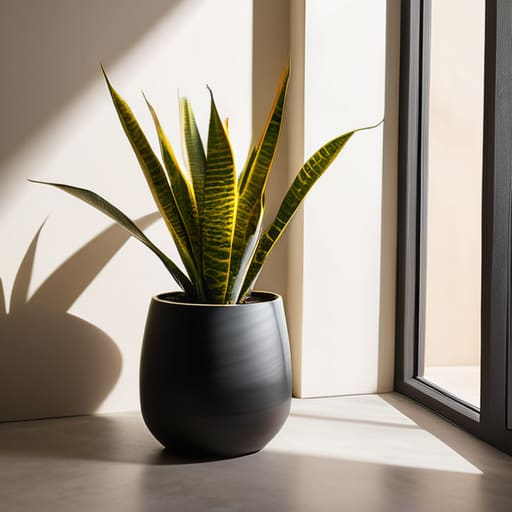
If you’re like me and tend to forget about things unless they’re screaming for attention, the Snake Plant is your best friend. It’s basically the industrial-grade tool of the plant world; it doesn’t need a complex schedule or constant monitoring to thrive. You can practically ignore it for two weeks, and it’ll still be standing tall, looking sharp in that minimalist corner of your living room.
Pothos: The Living Vine
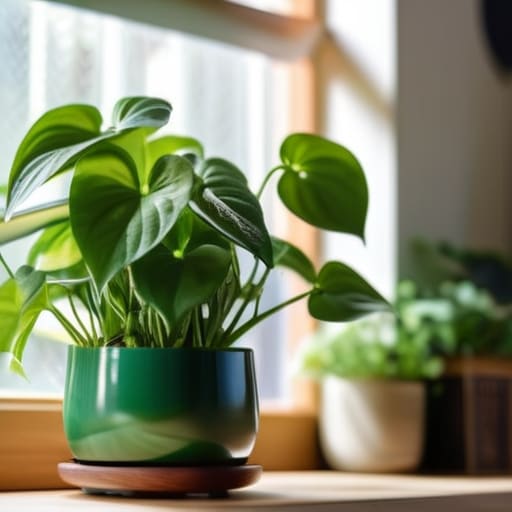
I like to think of Pothos as the “set it and forget it” option for adding some organic texture to your desk or bookshelf. These vines grow incredibly fast, which gives you that immediate sense of visible progress without requiring a degree in botany. They are incredibly forgiving, making them the perfect entry point if you’re worried about a history of brown leaves and dead stems.
ZZ Plant: The Low-Light Specialist
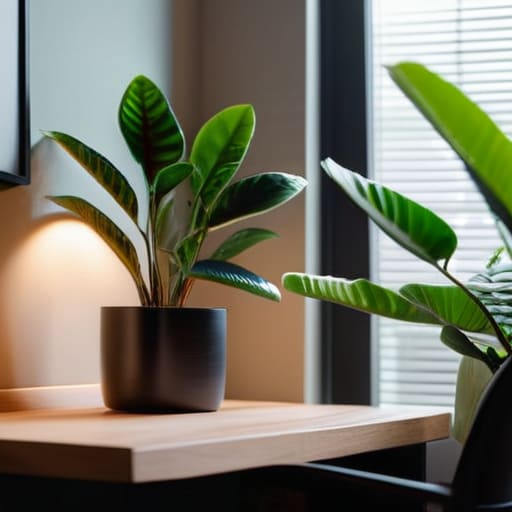
The ZZ Plant is the ultimate choice for anyone who treats their home like a high-efficiency workspace. It has these thick, waxy leaves that look almost artificial because they stay so perfectly green for so long. It’s built to survive in the shadows, making it ideal for those awkward spots in your house where nothing else seems to want to live.
Spider Plant: The Hardy Classic
If you want something that feels a bit more lush and “outdoorsy” without the high-maintenance drama, grab a Spider Plant. They are incredibly resilient and, more importantly, they produce “babies” that dangle from the main plant. It’s a self-sustaining cycle that feels rewarding to watch, providing a bit of natural momentum to your indoor garden.
Peace Lily: The Communicator
While most beginner plants are silent, the Peace Lily is a bit of a drama queen—but in a way that actually helps you learn. When it needs water, the entire plant will visibly droop, looking like it’s given up on life. It’s a dramatic, unmistakable signal that takes all the guesswork out of hydration. Once you water it, it perks right back up within an hour.
The Bottom Line: Keep It Simple
Don’t buy a plant because it looks cool on Instagram if you don’t have the time to babysit it; stick to the low-maintenance heavy hitters like Snake Plants or Pothos.
Focus on the system, not the aesthetics—get a decent watering schedule and a spot with the right light, and the plants will do the rest of the work for you.
Remember that a little bit of neglect is often better than over-caring; most beginners kill their plants with kindness (and too much water), not a lack of it.
The Philosophy of Low-Maintenance Greenery
“Don’t let a dying fern become another item on your ‘to-do’ list that drains your mental energy; pick plants that thrive on neglect so you can enjoy the oxygen without the constant troubleshooting.”
Liam Anders Chen
Stop Overthinking the Greenery
At the end of the day, indoor gardening isn’t about mastering botany or maintaining a pristine jungle; it’s about choosing tools that work for your lifestyle, not against it. Whether you went with the indestructible Snake Plant or the forgiving Pothos, the goal was to introduce life into your space without adding a massive item to your mental load. Stick to the basics: don’t overwater, find a decent light source, and keep your systems simple. If you treat your plants like high-maintenance projects, you’ll eventually burn out. But if you treat them like the low-friction additions they are, they’ll thrive right alongside you.
I’ve spent enough time trying to optimize every single variable in my life to know that perfection is the enemy of progress. You don’t need a green thumb to enjoy a bit of nature in your home; you just need to stop overcomplicating the process. Start small, learn from the occasional yellow leaf, and remember that the point of having these plants is to make your environment more peaceful, not more chaotic. Get your dirt on your hands, get your plants settled, and then get back to the things that actually matter.
Frequently Asked Questions
I don't have much natural light in my apartment; will these actually survive or am I just setting myself up for failure?
Look, I get it. I live in a city apartment that feels more like a concrete cave than a sunroom. If you’re staring at a dim corner and feeling skeptical, you’re right to be. Most plants will die there. But the ones I mentioned? They thrive on neglect and low light. They aren’t looking for a sunbath; they just need stability. Grab a cheap LED grow light if you’re really worried, but otherwise, just trust the system.
How do I actually tell if I'm overwatering without turning my living room into a swamp?
Stop guessing and start feeling. The easiest way to avoid the “swamp” scenario is the finger test: stick your finger two inches into the soil. If it feels damp or cool, walk away. If it’s bone-dry, grab the watering can. Also, watch the leaves—yellowing, mushy foliage is a screaming SOS that you’re drowning them. Stick to a system, check the soil, and let the plant breathe. Keep it simple.
If one of these starts looking pathetic, is it worth trying to fix or should I just cut my losses and start over?
Don’t throw it out just yet. Most people kill plants through over-management, not neglect. Before you scrap it, check the soil—if it’s a swamp, let it dry out; if it’s bone-dry, give it a soak. If the stems are mushy or the roots are rotting, it might be a lost cause. But if it’s just looking sad, prune the dead leaves, adjust the light, and give it a week. Systems take time to recalibrate.