I’ve spent enough years in high-pressure operations to know that the most dangerous part of my day isn’t a missed deadline—it’s that 6:00 PM decision fatigue. You stumble into the kitchen, exhausted, and suddenly you’re staring at a fridge full of ingredients but zero mental bandwidth. This is exactly where most people fall into the trap of ordering takeout or settling for something processed and heavy. We treat our evenings like a chaotic scramble rather than a chance to refuel, but finding actual healthy dinner ideas shouldn’t feel like a second job. It’s about stripping away the decision fatigue so you can actually eat well without losing another hour to a complicated recipe.
In this post, I’m breaking down five specific, repeatable meal frameworks that fit into a tight schedule. I’m not going to give you gourmet, thirty-step culinary projects that require a sous-chef; instead, I’m sharing my personal go-to systems for efficient, high-fuel dinners that prioritize nutrition and speed. By the end of this, you’ll have a toolkit of five simple strategies to help you reclaim your evenings and stop overcomplicating your nutrition.
Table of Contents
The Sheet Pan Standard
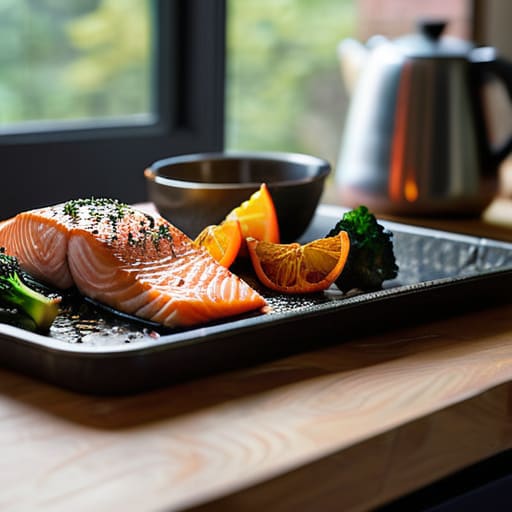
When my workday runs late, the last thing I want to do is stand over a stove managing four different pans. The sheet pan method is my go-to because it turns dinner into a set-it-and-forget-it operation. Toss some salmon fillets, chopped broccoli, and sweet potato wedges onto a single tray, drizzle with olive oil and salt, and let the oven do the heavy lifting while I clear my inbox or tinker with a keyboard.
The Grain Bowl Assembly Line
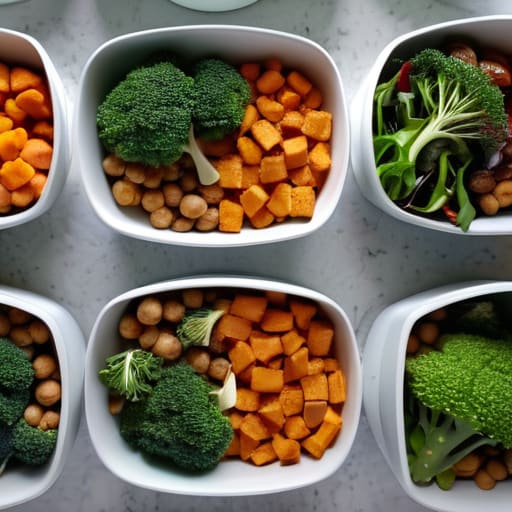
I view meal prep through the lens of systems engineering: you don’t build a whole meal at once, you build a modular framework. I spend twenty minutes on Sunday cooking a massive batch of quinoa or farro and roasting a tray of chickpeas. Once those components are ready, building a healthy dinner during the week is just a matter of assembly rather than cooking from scratch.
One-Pot Protein Power
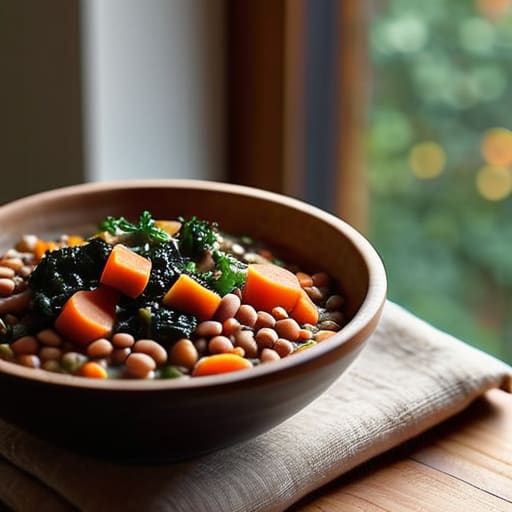
There is a certain elegance to a one-pot meal that I find incredibly satisfying. A hearty lentil stew or a simple chicken and vegetable sauté keeps the kitchen footprint small and the nutritional density high. I like to focus on high-quality proteins and fiber-rich legumes because they provide the sustained energy I need to stay focused during my evening deep-work sessions.
The Cold Salad Upgrade
We often make the mistake of thinking a salad is just a side dish or something you eat when you’re trying to punish yourself. That’s a flawed approach. A real, functional dinner salad needs substance and structure. I’m talking about heavy-duty greens like kale or arugula, paired with a solid protein like grilled chicken or canned tuna, and a healthy dose of crunch from toasted seeds.
High-Speed Stir Fry
If you have fifteen minutes and a hot pan, you have a meal. Stir-frying is the ultimate tool for using up whatever random vegetables are lingering in the back of your fridge. It’s a high-heat, high-speed process that preserves the texture of the food and prevents that heavy, sluggish feeling you get from processed carbs.
The Bottom Line: Eat Better, Stress Less
Stop treating dinner like a complex project; the best meals are the ones that use minimal ingredients and zero mental energy.
Focus on high-fuel, low-friction options so you can spend your evening recharging instead of standing over a stove.
Build a repeatable system of go-to meals to eliminate decision fatigue and reclaim your time.
The Efficiency of Eating Well
A healthy dinner shouldn’t feel like a second job; it’s just a well-designed system of fuel that lets you reclaim your evening instead of losing it to the kitchen sink.
Liam Anders Chen
Reclaim Your Evening
At the end of the day, the goal isn’t to become a gourmet chef or to spend your limited downtime scrubbing complicated cookware. It’s about building a repeatable system of meals—whether that’s a quick sheet-pan salmon, a hearty grain bowl, or a simple stir-fry—that fuels your body without draining your mental battery. By keeping your ingredients accessible and your methods streamlined, you stop treating dinner like a chore to be conquered and start treating it like a functional reset for your system. Focus on the basics: high-quality protein, fiber-rich greens, and minimal cleanup.
I know how it feels when the workday drags on and the last thing you want to do is face a mountain of prep work. But remember, the small systems you implement in your kitchen are the same ones that protect your peace of mind. When you stop overthinking what to eat, you gain something far more valuable than a perfect recipe: you gain actual time. Use that time to decompress, to tinker with your hobbies, or just to sit in silence. Stop letting your kitchen run your life, and start making it work for you.
Frequently Asked Questions
How can I keep these meals healthy without spending my entire Sunday afternoon meal prepping?
Stop treating meal prep like a second job. You don’t need a six-hour Sunday marathon to eat well. I use a “component” system instead: roast a big batch of versatile veggies, cook a single grain like quinoa, and prep one protein. Keep these building blocks in the fridge. When Tuesday hits, you aren’t “cooking”—you’re just assembling. It takes ten minutes, keeps the kitchen clean, and actually lets you reclaim your weekend.
What are some quick, low-effort swaps if I realize I'm missing a specific ingredient mid-week?
When I’m mid-prep and realize I’m missing an ingredient, I don’t let it derail my entire system. I treat it like a quick troubleshooting task. Missing acid? Use a splash of vinegar or even a bit of pickle juice. No heavy cream? Use Greek yogurt or coconut milk. If you’re missing a specific herb, just lean into a dry spice blend. Don’t overthink it—just find a functional substitute and keep moving.
How do I balance these efficient recipes with a tighter budget without sacrificing nutrition?
Look, efficiency shouldn’t be a luxury. To keep costs down without losing nutrition, stop buying pre-cut veggies or specialized “superfood” blends; they’re just paying a tax on convenience. Stick to the basics: bulk grains, frozen greens, and seasonal produce. I treat my grocery list like a systems optimization problem—buy staples in larger quantities and build your meals around what’s on sale. It’s about smart sourcing, not expensive ingredients.