I spent years thinking that learning how to build a balanced meal required a degree in nutrition or a kitchen full of specialized gadgets I didn’t have time to use. I was wrong. I used to stare at my fridge after a ten-hour shift, paralyzed by “wellness” influencers telling me I needed organic microgreens and expensive superfood powders just to qualify as healthy. It’s all noise. Most of that complicated advice is just a way to turn a basic biological necessity into a second job, and frankly, you don’t have the time for that.
I’m not here to sell you a lifestyle overhaul or a pantry full of overpriced supplements. My goal is to give you a functional system that works even when your schedule is falling apart. I’m going to show you how to strip away the fluff and use a simple, repeatable framework to get fuel in your body without the decision fatigue. We’re going to focus on the mechanics of a plate—protein, fiber, and fats—so you can stop overthinking your dinner and get back to actually living your life.
Table of Contents
Mastering the Protein Vegetable Carbohydrate Ratio
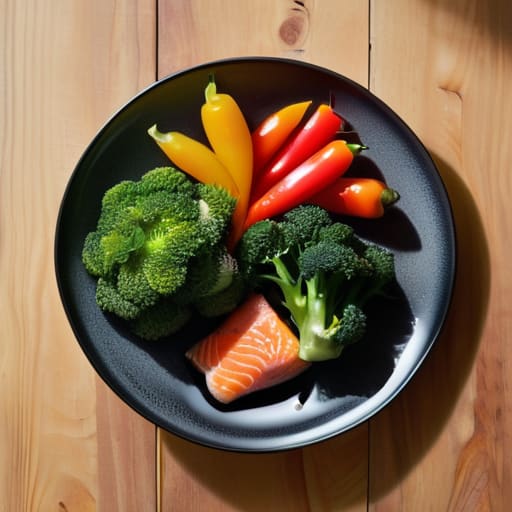
Look, you don’t need a degree in dietetics to get this right. If you try to obsess over every single calorie, you’ll burn out by Wednesday. Instead, I treat my plate like a systems engineering problem: it’s all about the protein vegetable carbohydrate ratio. I aim for a simple visual split. Half the plate should be non-starchy vegetables—think greens, peppers, or broccoli—to pack in the volume without the heavy calorie load. The other half gets split between your protein and your carbs.
This isn’t about perfection; it’s about a reliable healthy plate method that works even when you’re exhausted after a long shift. I usually go for a palm-sized portion of protein—chicken, tofu, or fish—and a fist-sized serving of complex carbs like sweet potatoes or quinoa. Using this framework makes portion control for healthy eating feel less like a chore and more like a standard operating procedure. Once you nail this ratio, you stop guessing and start eating with intention.
The Healthy Plate Method Without the Complexity
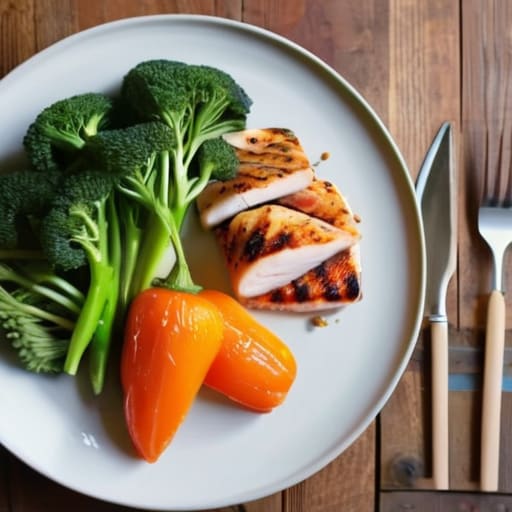
Look, you don’t need a PhD in nutrition or a scale that measures down to the milligram to eat well. When my schedule gets chaotic, I don’t have time to weigh out grams of fiber. Instead, I rely on the healthy plate method because it’s visual, instant, and requires zero math. Think of your plate as a blueprint. If half the space is filled with colorful vegetables, a quarter with lean protein, and the last quarter with complex carbs, you’ve already won. It’s about creating a reliable system that works even when you’re exhausted.
The real secret here is simplifying portion control for healthy eating by using your eyes rather than an app. If you treat your plate like a modular system—where each component has a designated zone—you eliminate the decision fatigue that usually leads to ordering takeout. You aren’t aiming for perfection; you’re aiming for consistency. Once you internalize these visual boundaries, you stop worrying about the numbers and start focusing on the fuel.
Five Ways to Stop Guessing and Start Eating
- Prep your components, not your meals. Don’t waste your entire Sunday cooking elaborate recipes; just roast a tray of veggies, boil some eggs, or cook a batch of quinoa. Having the building blocks ready in the fridge means you can assemble a balanced plate in three minutes when you’re actually hungry.
- Use the “Visual Check” instead of a scale. I don’t have time to weigh out grams of chicken every night. Just look at your plate: if half of it isn’t colorful vegetables, you’re missing the mark. If your protein looks like a postage stamp, you’re going to crash by 3 PM.
- Keep a “Emergency Pantry” for when systems fail. Life happens. When you’re too drained to cook, have canned tuna, frozen peas, and quick-cook grains on hand. It’s better to assemble a quick, decent meal from a tin than to default to takeout every time you’re tired.
- Don’t fear the fats, just respect them. Healthy fats—like a slice of avocado or a drizzle of olive oil—are the glue that keeps you full. They slow down digestion so you aren’t hunting for snacks an hour after eating. Just keep the portions reasonable.
- Season for flavor, not just salt. A meal that tastes like cardboard is a meal you’ll eventually abandon for something processed. Keep a few high-quality spices or a decent hot sauce nearby. If the food actually tastes good, sticking to a healthy routine becomes a lot easier.
The Bottom Line: Keep It Simple
Stop counting every single calorie; focus on the ratio of protein, veggies, and grains to ensure you’re actually fueled.
Use what you already have in the pantry—a balanced meal doesn’t require a grocery haul, just a bit of intentional assembly.
Build a repeatable system for your plate so you can spend less time deciding what to eat and more time actually eating it.
## The Philosophy of the Plate
“Stop treating meal prep like a high-stakes chemistry experiment. You don’t need a spreadsheet or a culinary degree; you just need a reliable system of protein, fiber, and fuel so you can stop thinking about your next meal and start actually enjoying your life.”
Liam Anders Chen
Stop Aiming for Perfection, Start Aiming for Consistency
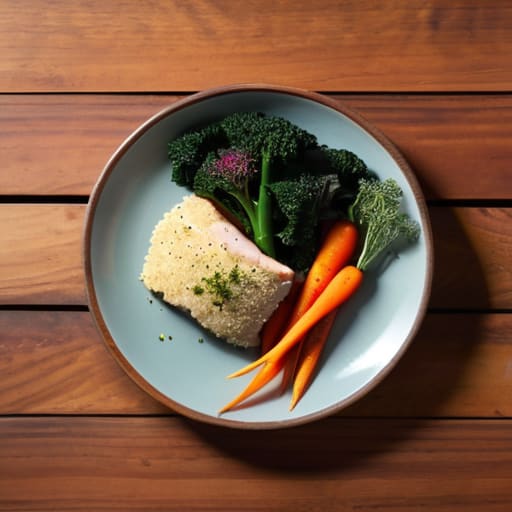
At the end of the day, building a balanced meal isn’t about hitting exact gram counts or following a rigid, complicated blueprint. It’s about the simple mechanics of your plate: securing a solid protein, filling up on vegetables, and adding a reliable carbohydrate. If you can master that basic ratio, you’ve already won the hardest part of the battle. You don’t need a culinary degree or a pantry full of exotic superfoods to fuel your body effectively; you just need to apply a repeatable system that works for your schedule. Stop letting the fear of “doing it wrong” keep you stuck in a cycle of takeout and decision fatigue.
My goal isn’t to turn you into a nutritionist, but to help you reclaim your time and your energy. When you stop overthinking every single bite and start relying on these simple frameworks, you free up massive amounts of mental bandwidth. Use that extra headspace for the things that actually matter—your work, your hobbies, or just some much-needed downtime. Life is far too chaotic to spend it wrestling with your dinner plate. Build your system, eat your fuel, and then get back to actually living your life.
Frequently Asked Questions
What do I do when I'm eating out at a restaurant and don't have control over the ingredients?
Look, I get it. When you’re at a restaurant, you lose control of the kitchen, but you don’t have to lose control of your goals. Stop trying to find the “perfect” menu item and start applying the same logic we use at home: triage. Look for the components. Order a double side of greens instead of fries, or ask for the dressing on the side. It’s about making the best tactical decision with the tools you have.
How much of these components should I actually be eating if I'm trying to maintain my energy levels throughout a long workday?
If you’re staring down a ten-hour workday, don’t go heavy on the carbs—that’s a one-way ticket to a 3:00 PM crash. Aim for a heavy tilt toward protein and fiber. I usually go with about 50% non-starchy veggies, 25% protein, and just 25% complex carbs. This setup keeps your blood sugar steady so you aren’t hunting for caffeine halfway through your afternoon meetings. Eat for stability, not just fullness.
Can I still follow this system if I'm a vegetarian or have specific dietary restrictions?
Absolutely. The beauty of a system is that it’s a framework, not a cage. If you’re vegetarian, your “protein” just shifts from chicken to lentils, chickpeas, or tofu. If you’re gluten-free, swap the pasta for quinoa. The math stays the same: one part protein, one part veggie, one part carb. Don’t let dietary labels turn this into a math problem; just swap the components and keep moving.